CONTACT US
Circle of Frans II Francken (1581–1642)
Adoration of the Magi
Oil on copper
Dimensions: 31 × 24.5 cm (panel), 48 × 42.5 cm (frame)
Introduction
The Antwerp Baroque painting tradition of the early seventeenth century is shaped profoundly by the influence of Frans II Francken and the exceptionally productive circle of artists associated with his workshop. The present cabinet painting, Adoration of the Magi, executed on a finely prepared copper plate and measuring 31 × 24.5 cm (48 × 42.5 cm including its frame), is characteristic of this vibrant artistic milieu. It aligns closely with the compositional structure, iconographic conventions, and refined detailing that define Francken’s oeuvre and the broader Counter-Reformation aesthetics that flourished in Antwerp. The chosen theme—the homage of the Christ Child by the three Wise Men—offered artists an ideal subject combining religious devotion, princely splendour, and narrative clarity. This synthesis was highly valued in the early Baroque period and appears in both monumental altarpieces and intimate works such as this.
The painting is registered at the RKD under no. 432257 and has a documented provenance including a sale in Freiburg in 1966, attesting to its established art-historical and market trajectory.
Description of the Work
At the centre of the composition stands the Virgin Mary, presenting the Christ Child to the kneeling Magi. Her gentle expression, the slight inclination of her head, and the delicate modelling of her flesh tones display the refined painterly approach characteristic of Francken’s circle. The Christ Child, wrapped in a pale cloth, is rendered with clarity and forms the luminous focal point toward which all figures converge. The haloes of Mary and the Child are finely articulated with radiating gilded lines, emphasising the sacred dimension of the scene.
The three Magi are portrayed as distinct character types: the elderly king kneeling in the foreground offering his gift in a gilt vessel; his expressive face, framed by silver-grey hair and beard, reflects early Baroque naturalism. A second king, draped in a sumptuous red mantle lined with fur, provides a diagonal counterbalance that enlivens the composition. The third king, adorned in exotic robes and a turban, stands behind Mary and forms a vertical axis that enhances the sense of depth. Additional figures—soldiers, attendants, and witnesses—occupy the background in subdued tones, contributing to the theatrical atmosphere without detracting from the principal group.
The architectural setting, with its softly lit archway and gentle transitions into shadow, strengthens the spatial structure. The controlled interplay of light and dark reflects Antwerp Baroque scenography, where illumination carries both natural and spiritual significance.
Technique, Material, and Colour
The copper support, popular among Antwerp painters from the late sixteenth century onward, provides a flawlessly smooth surface ideal for precision and finely detailed brushwork. This is evident in the subtle treatment of facial features, the luminous highlights on metallic surfaces, and the richly textured fabrics. Transparent paint layers allow the underlying copper to subtly enliven the pigments, contributing to the brilliance of the palette.
The colour scheme combines warm earth tones with deep greens, muted blues, and powerful reds. Golden accents—seen in the gifts, brocaded textiles and haloes—are carefully modulated, reinforcing the regal tone of the imagery. The composition is unified through a disciplined chiaroscuro that creates depth while drawing the viewer’s focus toward the holy figures.
UV examination reveals retouching primarily in the darker background passages and in portions of the drapery. Small pinpoint paint losses are consistent with the work’s age and do not affect its readability. The copper plate itself remains stable, showing natural evidence of ageing.
Composition and Art-Historical Context
The composition is built on a pyramidal structure—a hallmark of Flemish Baroque aesthetics—where the vertical axis formed by Mary and the third king contrasts with the kneeling figures in the foreground. This creates a harmonious balance between movement and repose. The attentive gesture of the kneeling king and the serene expression of the Virgin reflect the devotional sensibilities central to the Counter-Reformation.
Within the artistic context of Antwerp between 1600 and 1640, this type of Adoration of the Magi is emblematic of the production of Frans II Francken and his workshop, who frequently translated biblical narratives into richly detailed cabinet pieces. The blend of intimacy and grandeur echoes broader developments in Southern Netherlandish Baroque painting. Comparable approaches may be seen among national and international contemporaries such as Peter Paul Rubens, Jan Brueghel the Elder, Abraham Bloemaert, Federico Barocci, Alessandro Tiarini.
The Artist and His Workshop Circle
Frans II Francken, born in Antwerp in 1581 as the son of Frans Francken I, belonged to one of the most influential artistic families of the Southern Netherlands. He entered the Guild of St. Luke in 1605 and soon established a reputation for his versatile production of history paintings, religious subjects, allegories, and cabinet pieces. His work is distinguished by its refinement, meticulous finish, and clear narrative structure.
His workshop was extensive and attracted numerous pupils and collaborators, leading to a wide-ranging circle of followers who adopted and perpetuated the master’s stylistic vocabulary. The present painting fits naturally within this tradition, echoing Francken’s approach to figuration, colour harmony, and narrative construction. Copper paintings were especially popular for export and for collectors seeking works of high technical finish.
Condition
The painting is preserved in an authentic Baroque condition, with small losses and retouching visible under UV light. The surface remains well conserved for a seventeenth-century work on copper, with strong colour presence and clearly legible detail. The support shows stable signs of historical ageing consistent with its period.
Provenance
Registered at the RKD (Frans Francken II, no. 432257).
Documented provenance includes a sale in Freiburg, 1966.
Conclusion
This Adoration of the Magi from the circle of Frans II Francken reflects the spiritual depth and aesthetic sophistication of the Antwerp Baroque in a finely executed and beautifully preserved copper painting. Its technical quality, compelling composition, documented provenance, and stylistic coherence with the Francken tradition make it an exceptional addition to any collection focused on the art of the Southern Netherlands.
CONTACT US
Circle of Frans II Francken (1581–1642)
Adoration of the Magi
Oil on copper
Dimensions: 31 × 24.5 cm (panel), 48 × 42.5 cm (frame)
Introduction
The Antwerp Baroque painting tradition of the early seventeenth century is shaped profoundly by the influence of Frans II Francken and the exceptionally productive circle of artists associated with his workshop. The present cabinet painting, Adoration of the Magi, executed on a finely prepared copper plate and measuring 31 × 24.5 cm (48 × 42.5 cm including its frame), is characteristic of this vibrant artistic milieu. It aligns closely with the compositional structure, iconographic conventions, and refined detailing that define Francken’s oeuvre and the broader Counter-Reformation aesthetics that flourished in Antwerp. The chosen theme—the homage of the Christ Child by the three Wise Men—offered artists an ideal subject combining religious devotion, princely splendour, and narrative clarity. This synthesis was highly valued in the early Baroque period and appears in both monumental altarpieces and intimate works such as this.
The painting is registered at the RKD under no. 432257 and has a documented provenance including a sale in Freiburg in 1966, attesting to its established art-historical and market trajectory.
Description of the Work
At the centre of the composition stands the Virgin Mary, presenting the Christ Child to the kneeling Magi. Her gentle expression, the slight inclination of her head, and the delicate modelling of her flesh tones display the refined painterly approach characteristic of Francken’s circle. The Christ Child, wrapped in a pale cloth, is rendered with clarity and forms the luminous focal point toward which all figures converge. The haloes of Mary and the Child are finely articulated with radiating gilded lines, emphasising the sacred dimension of the scene.
The three Magi are portrayed as distinct character types: the elderly king kneeling in the foreground offering his gift in a gilt vessel; his expressive face, framed by silver-grey hair and beard, reflects early Baroque naturalism. A second king, draped in a sumptuous red mantle lined with fur, provides a diagonal counterbalance that enlivens the composition. The third king, adorned in exotic robes and a turban, stands behind Mary and forms a vertical axis that enhances the sense of depth. Additional figures—soldiers, attendants, and witnesses—occupy the background in subdued tones, contributing to the theatrical atmosphere without detracting from the principal group.
The architectural setting, with its softly lit archway and gentle transitions into shadow, strengthens the spatial structure. The controlled interplay of light and dark reflects Antwerp Baroque scenography, where illumination carries both natural and spiritual significance.
Technique, Material, and Colour
The copper support, popular among Antwerp painters from the late sixteenth century onward, provides a flawlessly smooth surface ideal for precision and finely detailed brushwork. This is evident in the subtle treatment of facial features, the luminous highlights on metallic surfaces, and the richly textured fabrics. Transparent paint layers allow the underlying copper to subtly enliven the pigments, contributing to the brilliance of the palette.
The colour scheme combines warm earth tones with deep greens, muted blues, and powerful reds. Golden accents—seen in the gifts, brocaded textiles and haloes—are carefully modulated, reinforcing the regal tone of the imagery. The composition is unified through a disciplined chiaroscuro that creates depth while drawing the viewer’s focus toward the holy figures.
UV examination reveals retouching primarily in the darker background passages and in portions of the drapery. Small pinpoint paint losses are consistent with the work’s age and do not affect its readability. The copper plate itself remains stable, showing natural evidence of ageing.
Composition and Art-Historical Context
The composition is built on a pyramidal structure—a hallmark of Flemish Baroque aesthetics—where the vertical axis formed by Mary and the third king contrasts with the kneeling figures in the foreground. This creates a harmonious balance between movement and repose. The attentive gesture of the kneeling king and the serene expression of the Virgin reflect the devotional sensibilities central to the Counter-Reformation.
Within the artistic context of Antwerp between 1600 and 1640, this type of Adoration of the Magi is emblematic of the production of Frans II Francken and his workshop, who frequently translated biblical narratives into richly detailed cabinet pieces. The blend of intimacy and grandeur echoes broader developments in Southern Netherlandish Baroque painting. Comparable approaches may be seen among national and international contemporaries such as Peter Paul Rubens, Jan Brueghel the Elder, Abraham Bloemaert, Federico Barocci, Alessandro Tiarini.
The Artist and His Workshop Circle
Frans II Francken, born in Antwerp in 1581 as the son of Frans Francken I, belonged to one of the most influential artistic families of the Southern Netherlands. He entered the Guild of St. Luke in 1605 and soon established a reputation for his versatile production of history paintings, religious subjects, allegories, and cabinet pieces. His work is distinguished by its refinement, meticulous finish, and clear narrative structure.
His workshop was extensive and attracted numerous pupils and collaborators, leading to a wide-ranging circle of followers who adopted and perpetuated the master’s stylistic vocabulary. The present painting fits naturally within this tradition, echoing Francken’s approach to figuration, colour harmony, and narrative construction. Copper paintings were especially popular for export and for collectors seeking works of high technical finish.
Condition
The painting is preserved in an authentic Baroque condition, with small losses and retouching visible under UV light. The surface remains well conserved for a seventeenth-century work on copper, with strong colour presence and clearly legible detail. The support shows stable signs of historical ageing consistent with its period.
Provenance
Registered at the RKD (Frans Francken II, no. 432257).
Documented provenance includes a sale in Freiburg, 1966.
Conclusion
This Adoration of the Magi from the circle of Frans II Francken reflects the spiritual depth and aesthetic sophistication of the Antwerp Baroque in a finely executed and beautifully preserved copper painting. Its technical quality, compelling composition, documented provenance, and stylistic coherence with the Francken tradition make it an exceptional addition to any collection focused on the art of the Southern Netherlands.

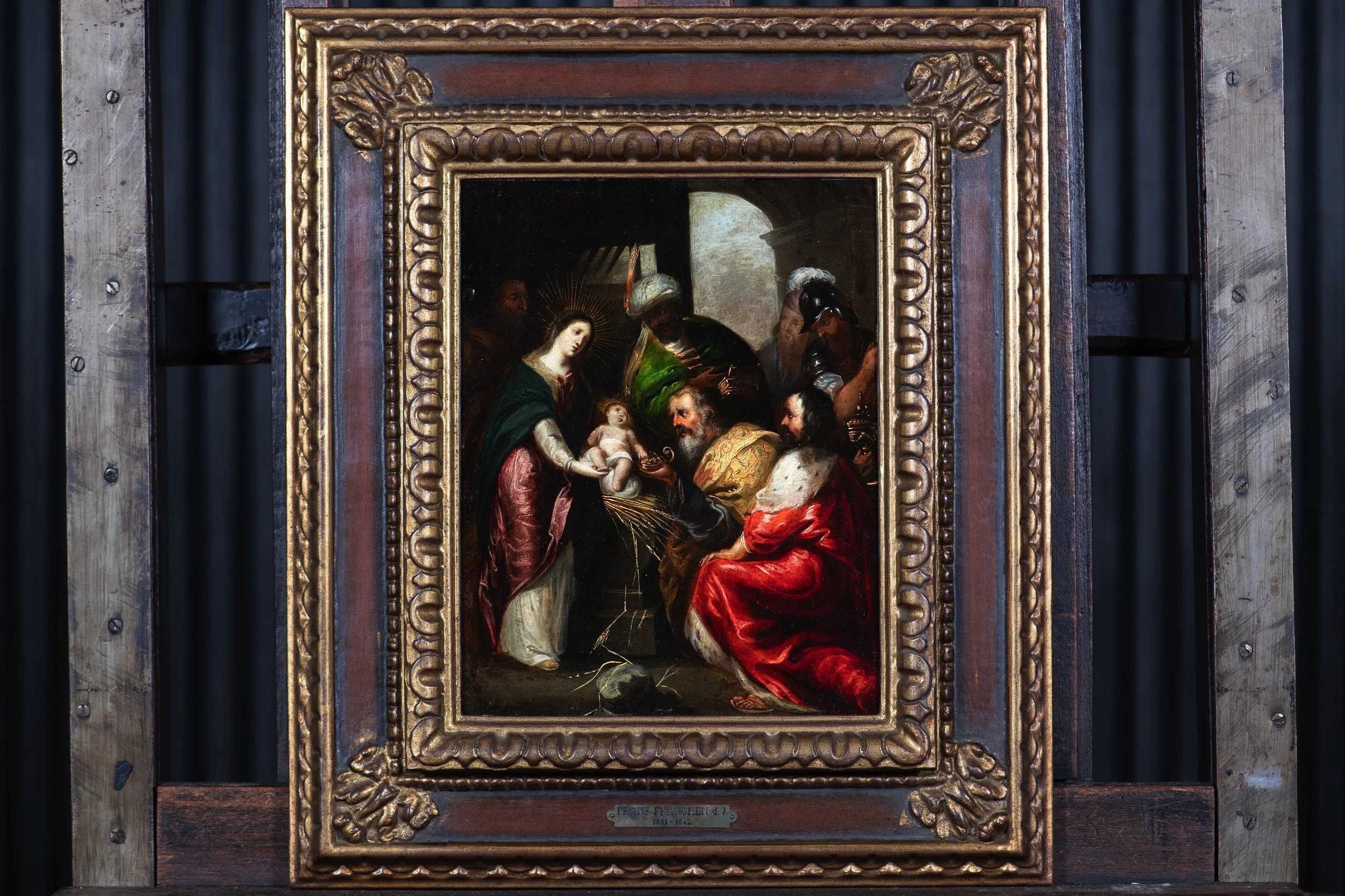 Image 1 of 25
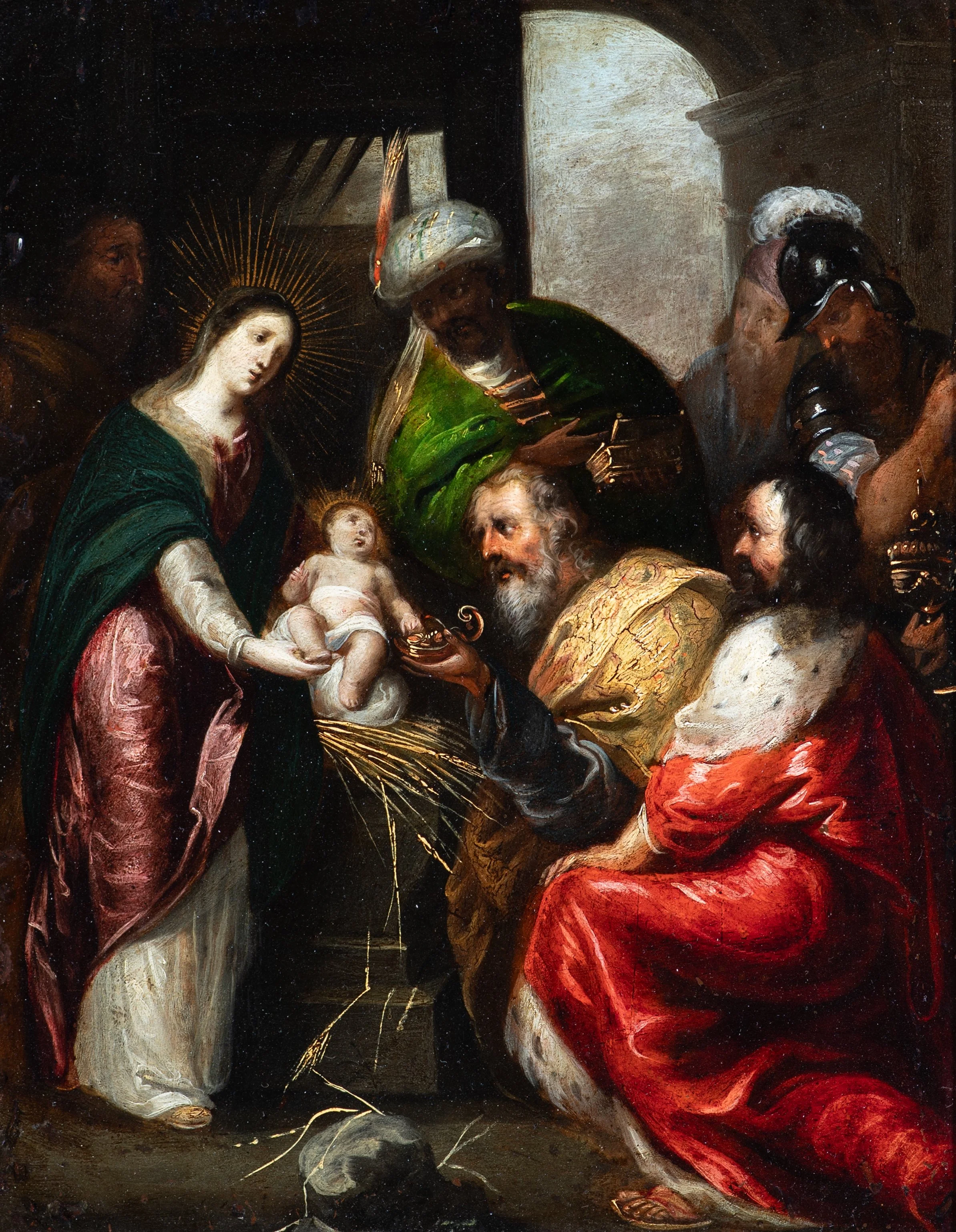 Image 2 of 25
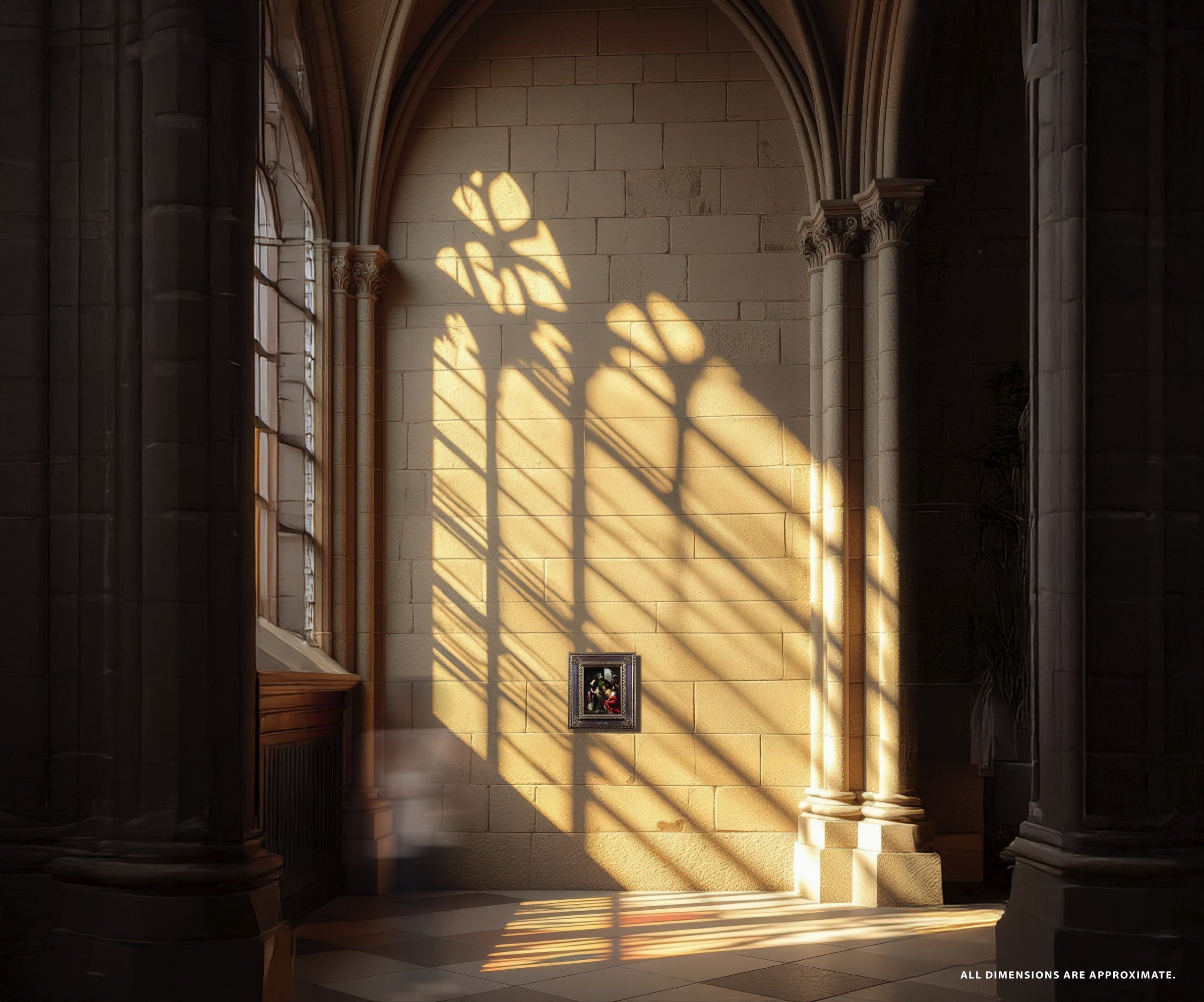 Image 3 of 25
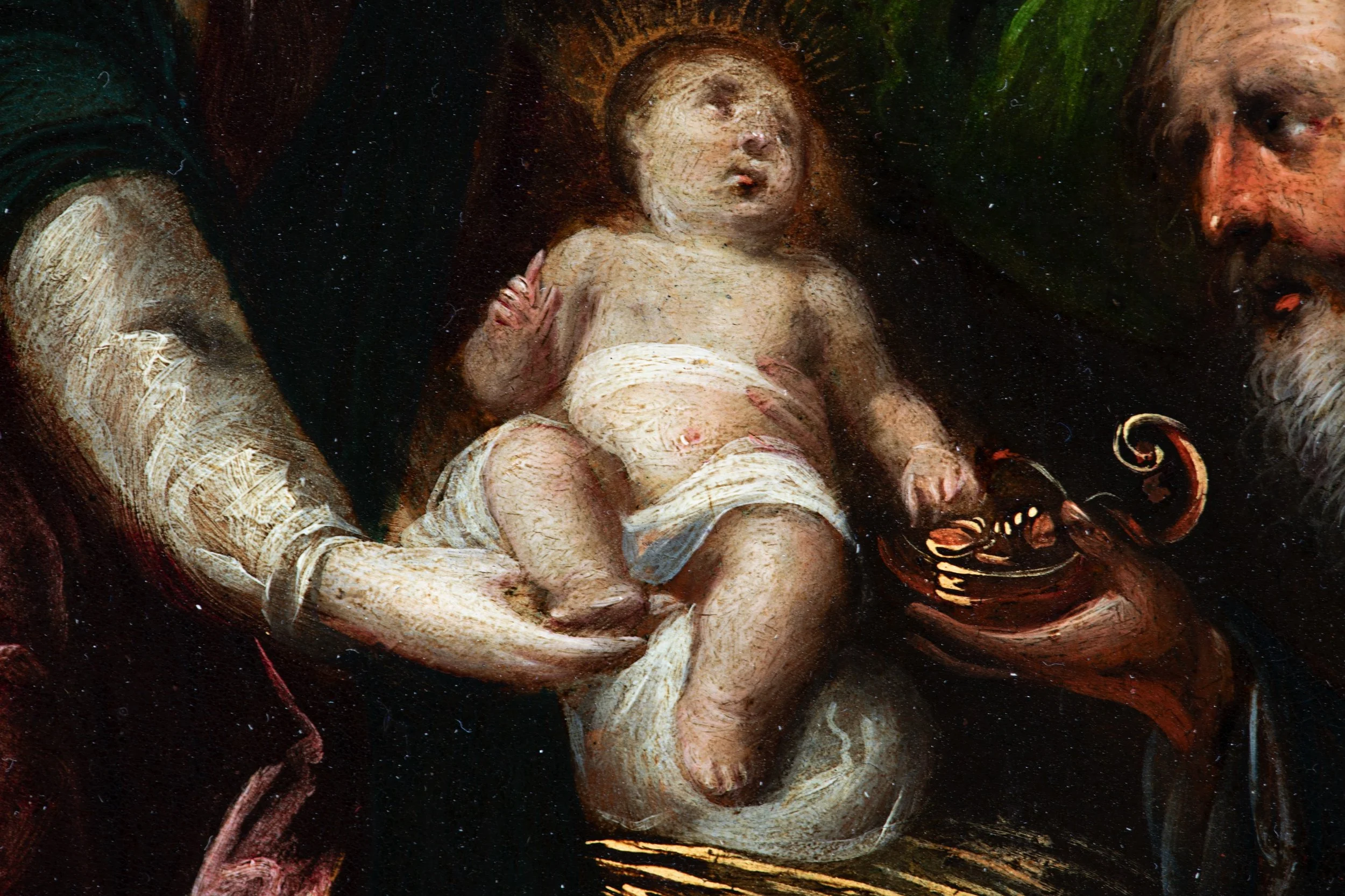 Image 4 of 25
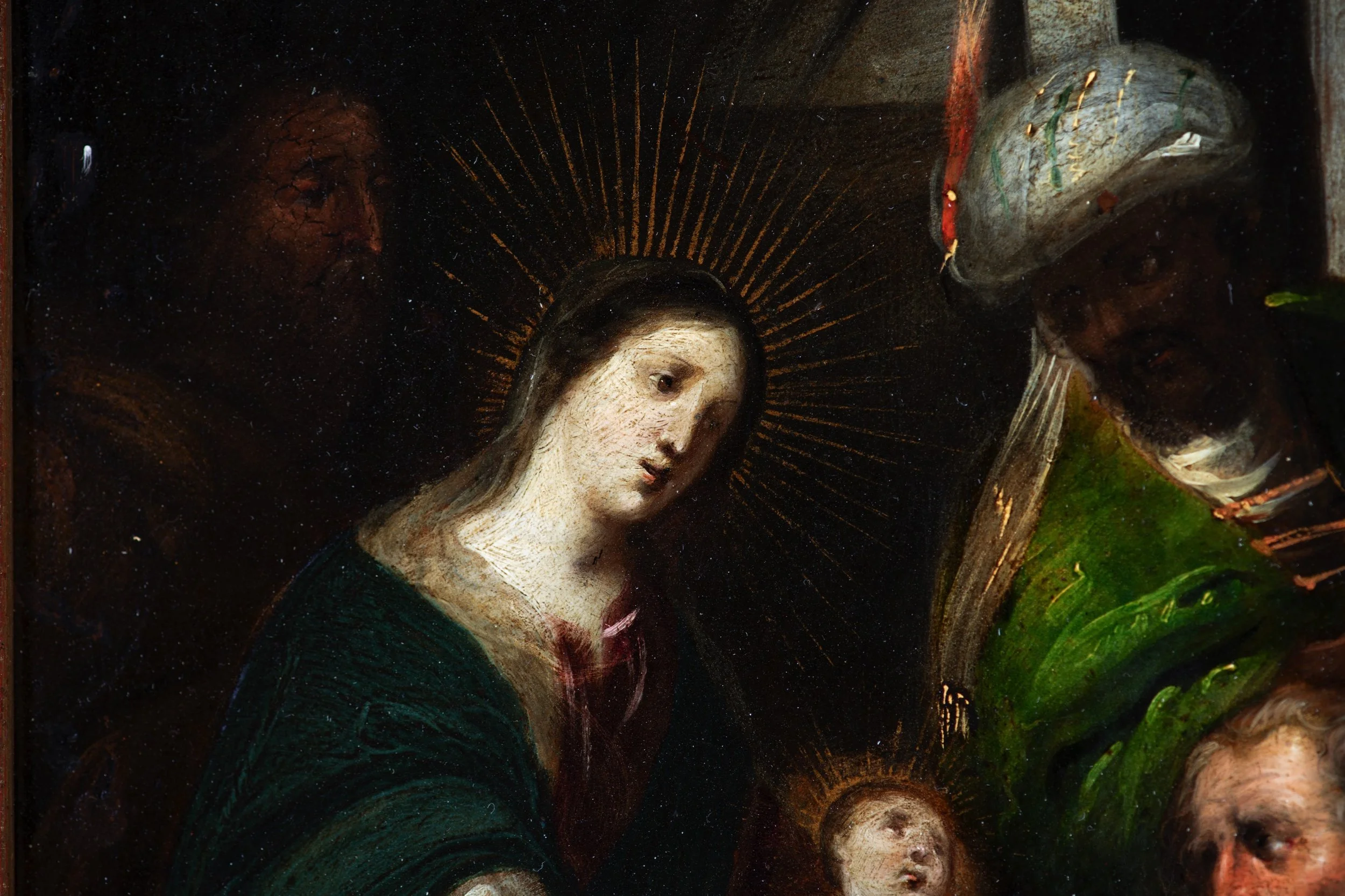 Image 5 of 25
 Image 6 of 25
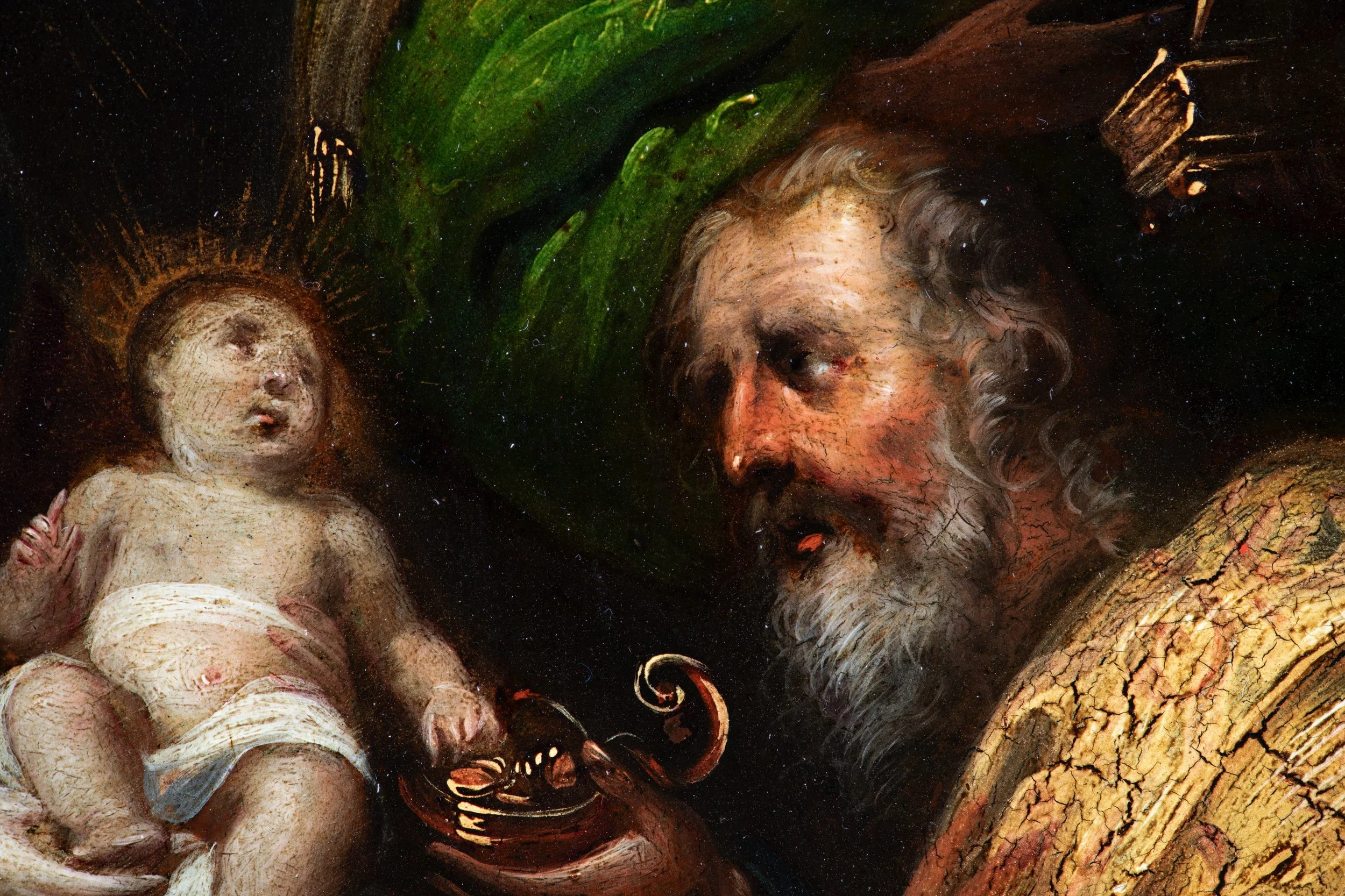 Image 7 of 25
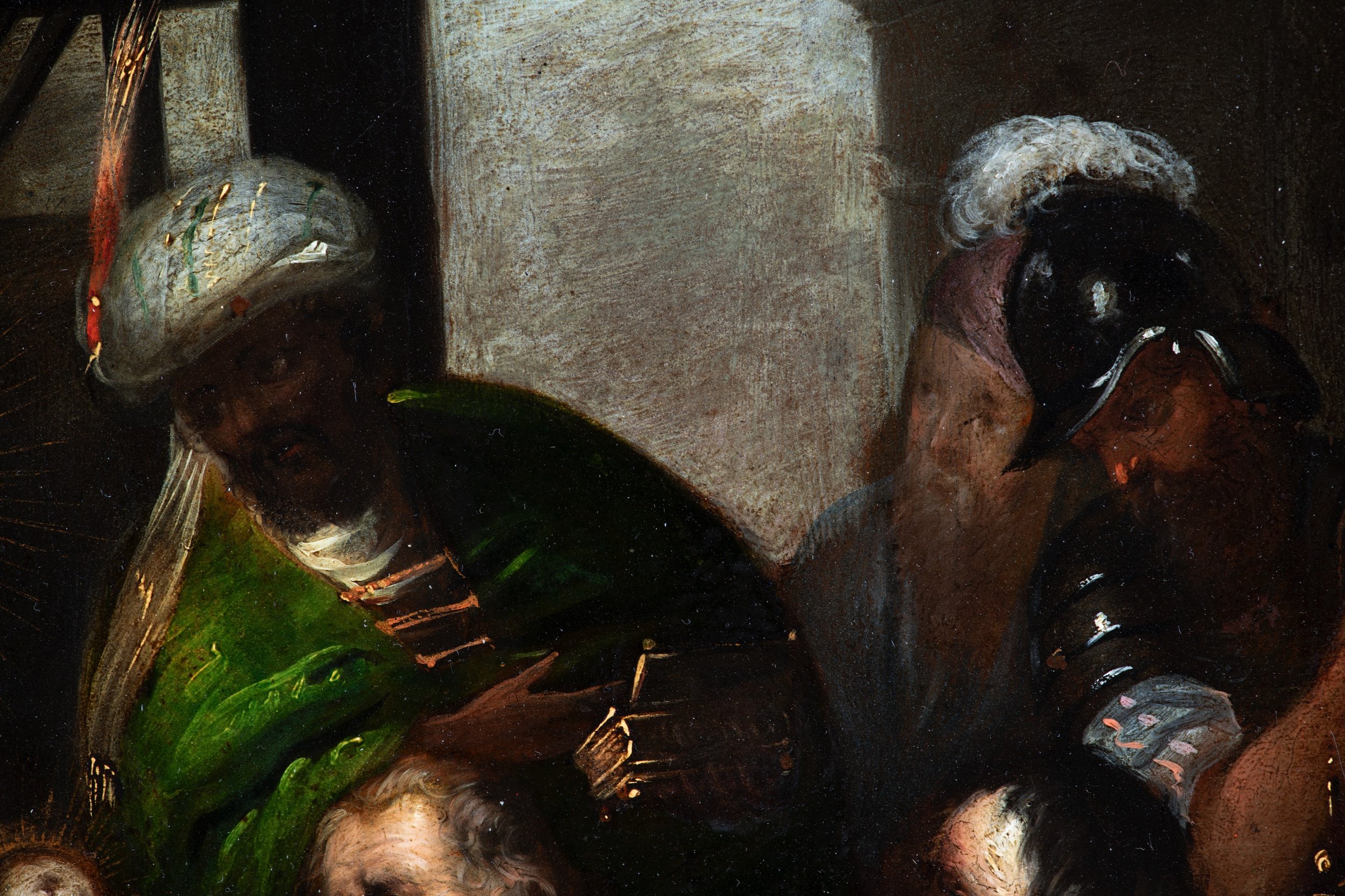 Image 8 of 25
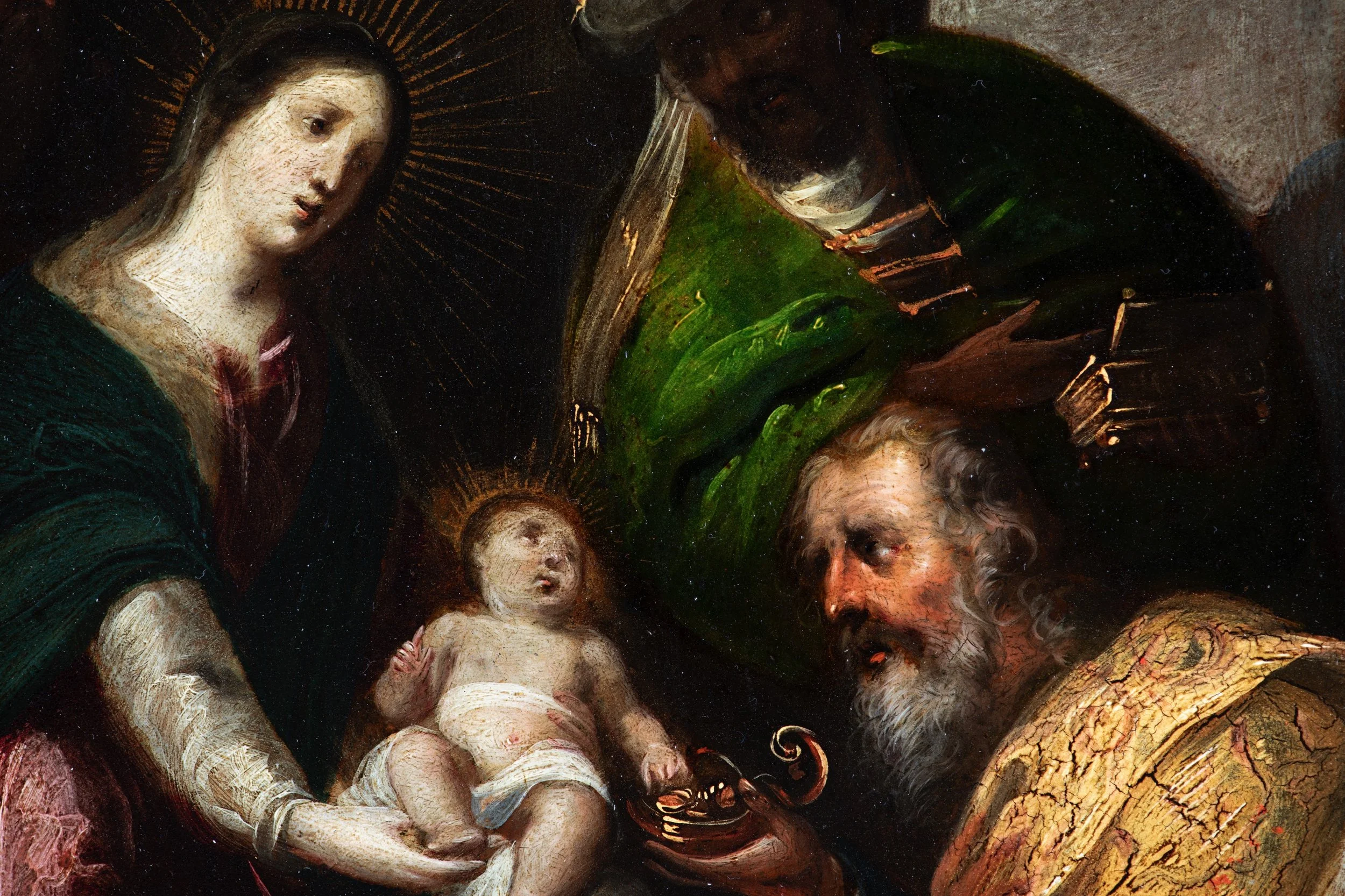 Image 9 of 25
 Image 10 of 25
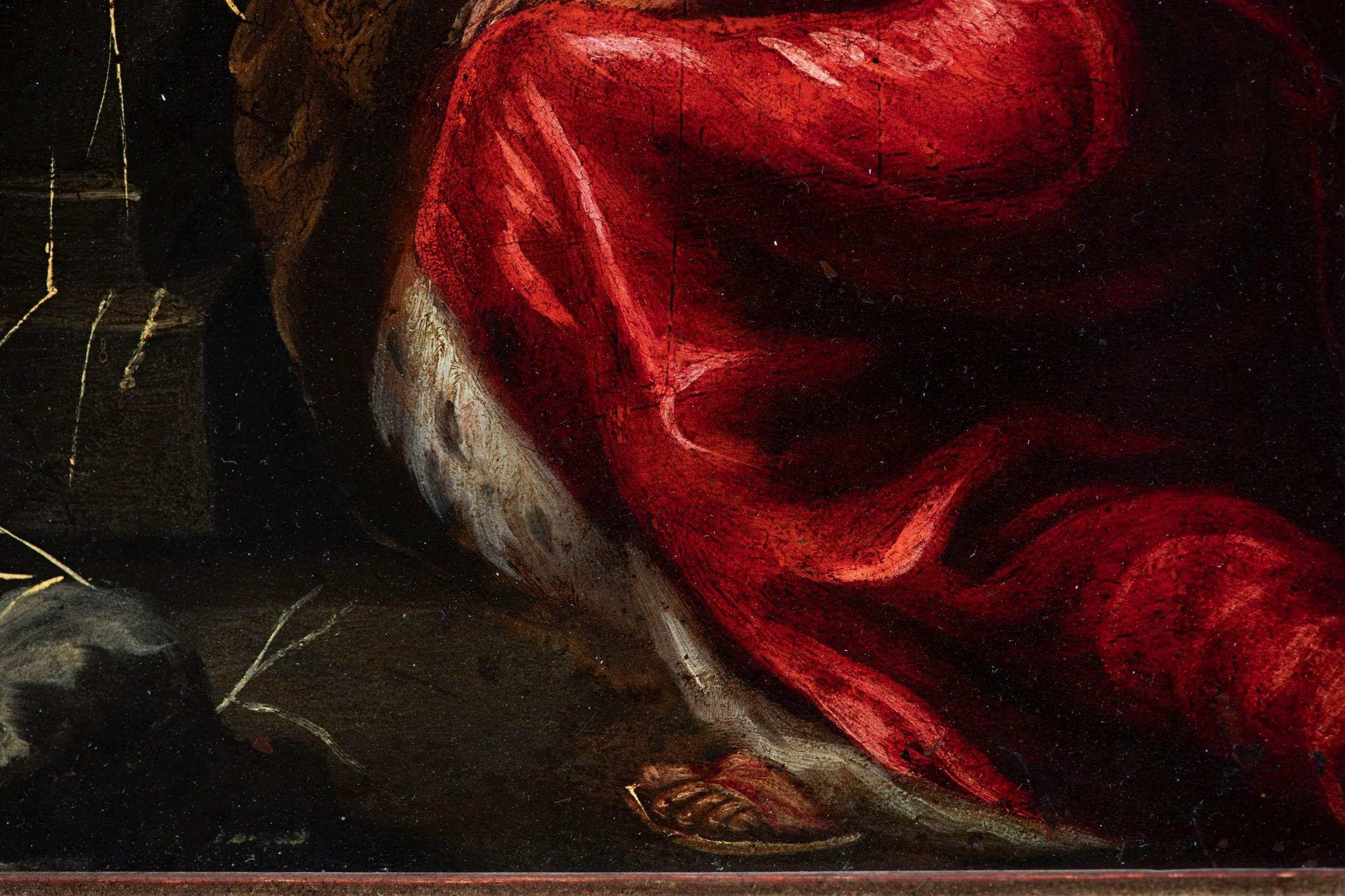 Image 11 of 25
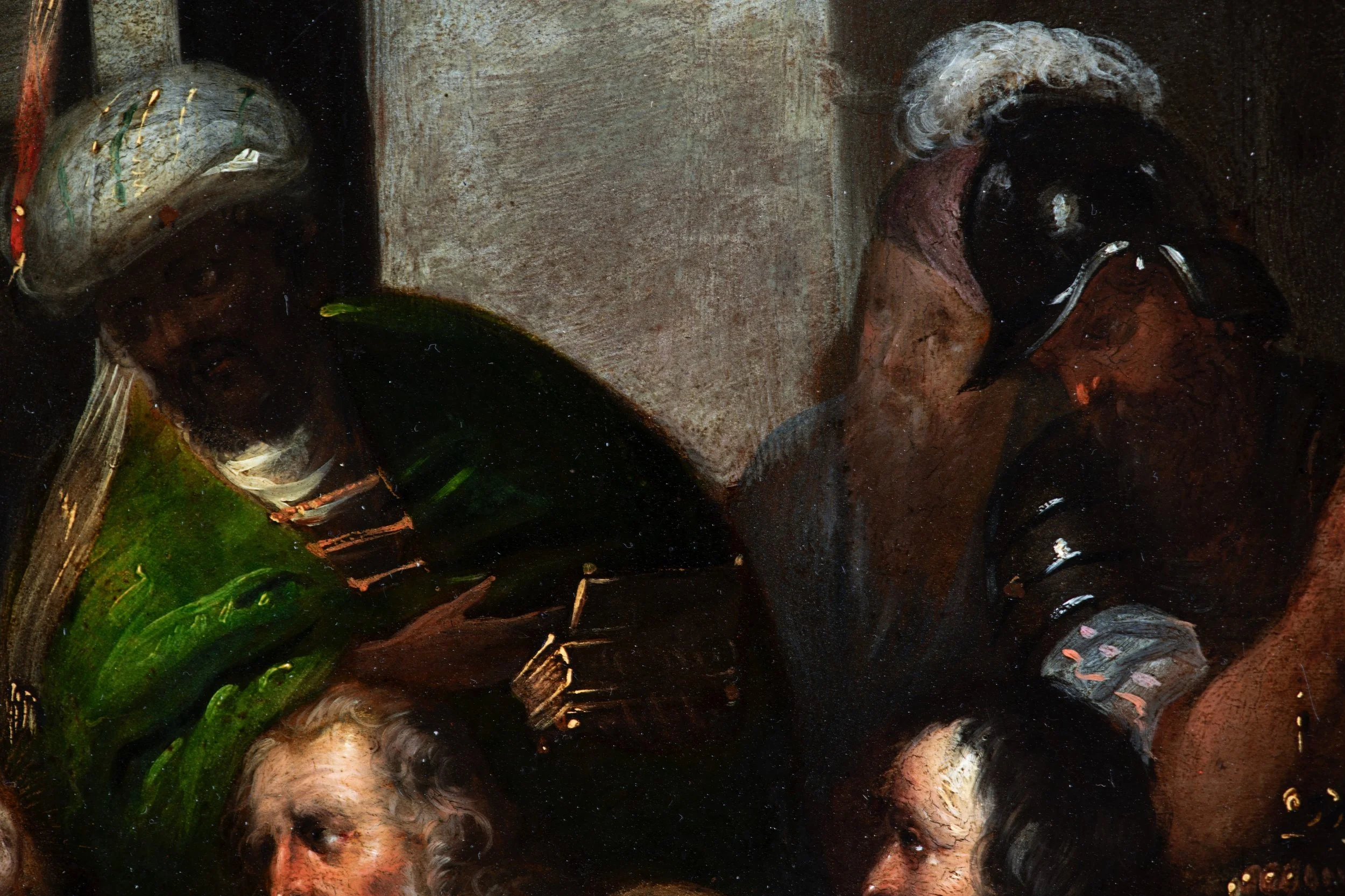 Image 12 of 25
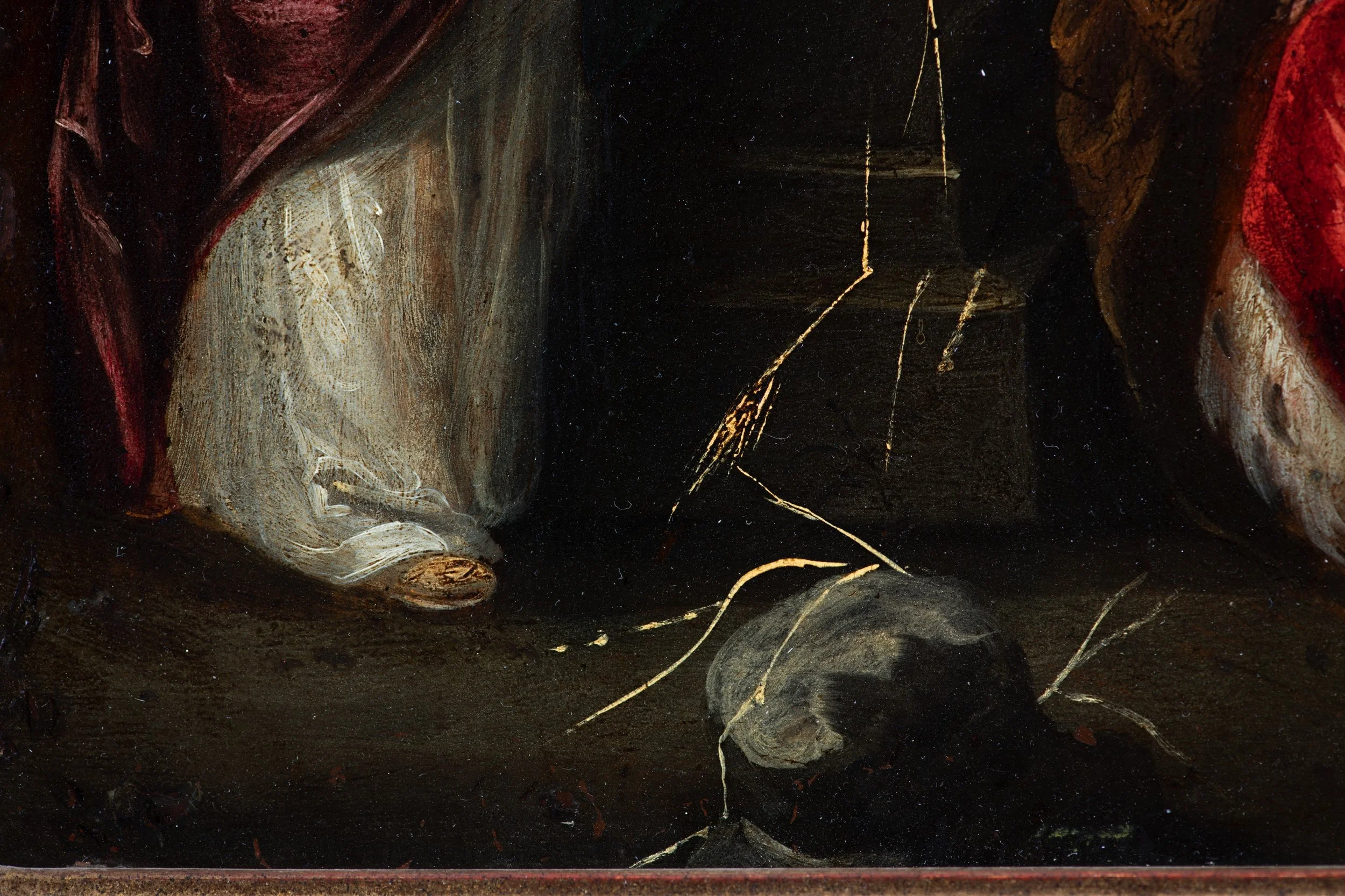 Image 13 of 25
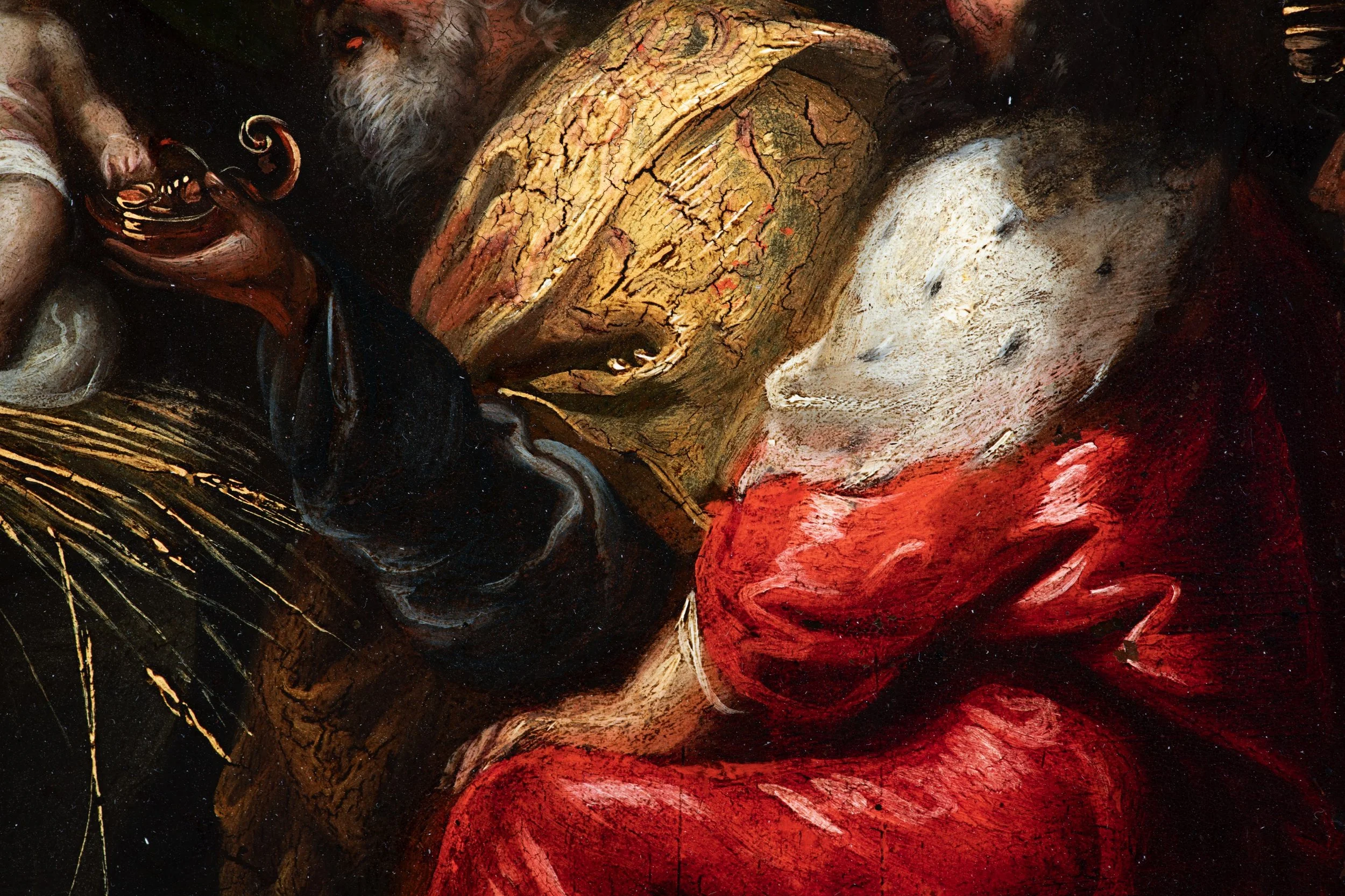 Image 14 of 25
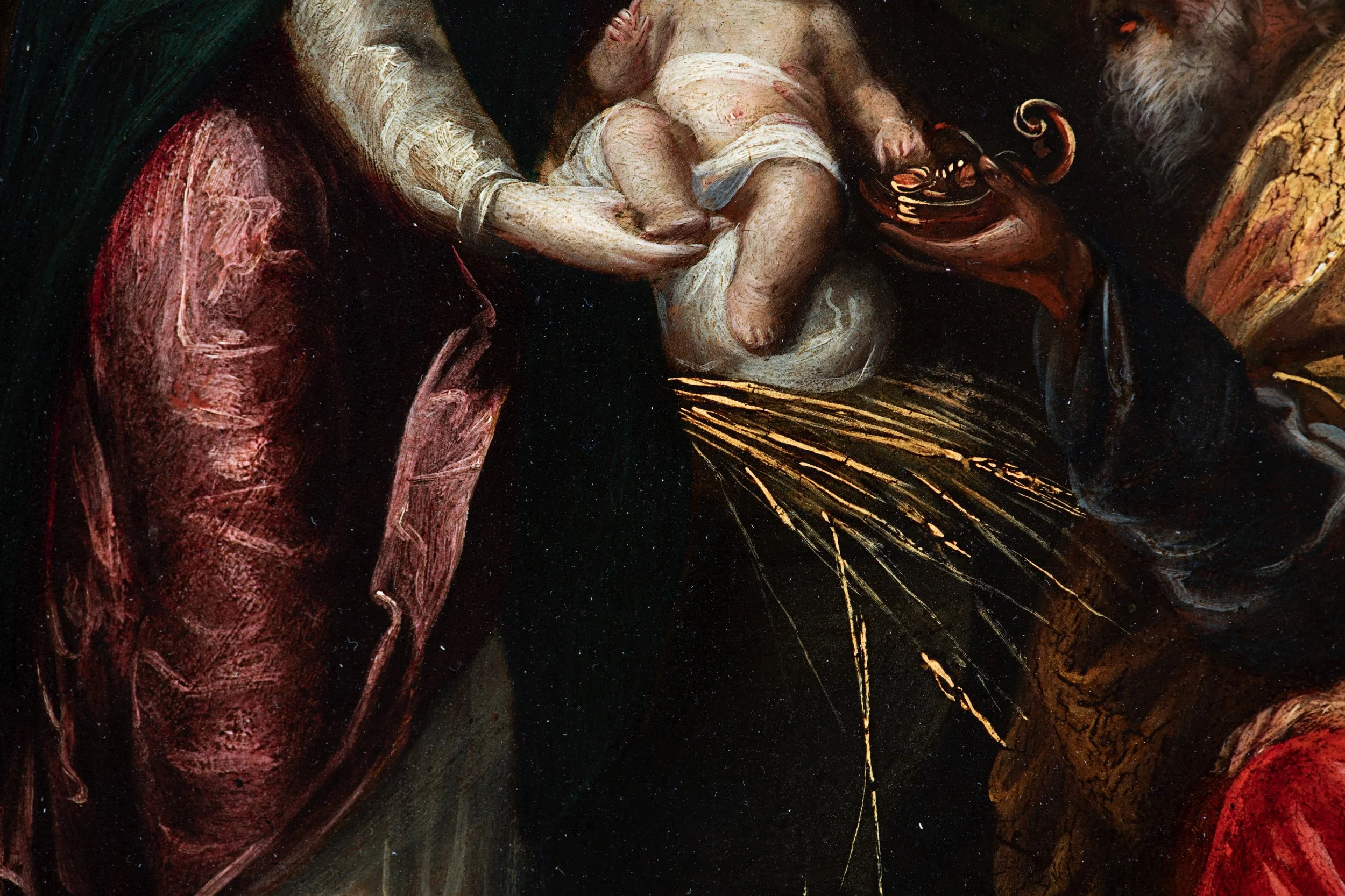 Image 15 of 25
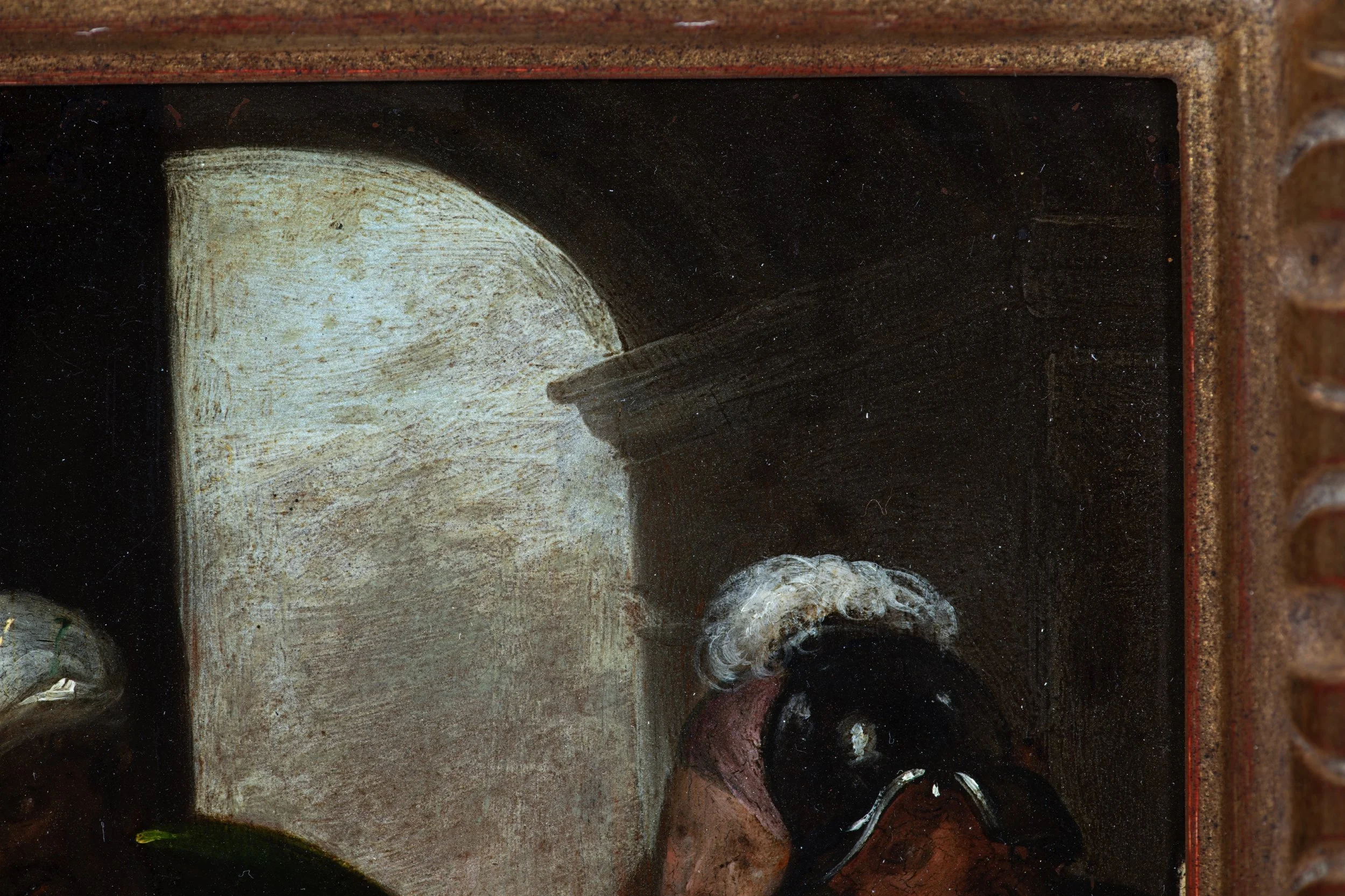 Image 16 of 25
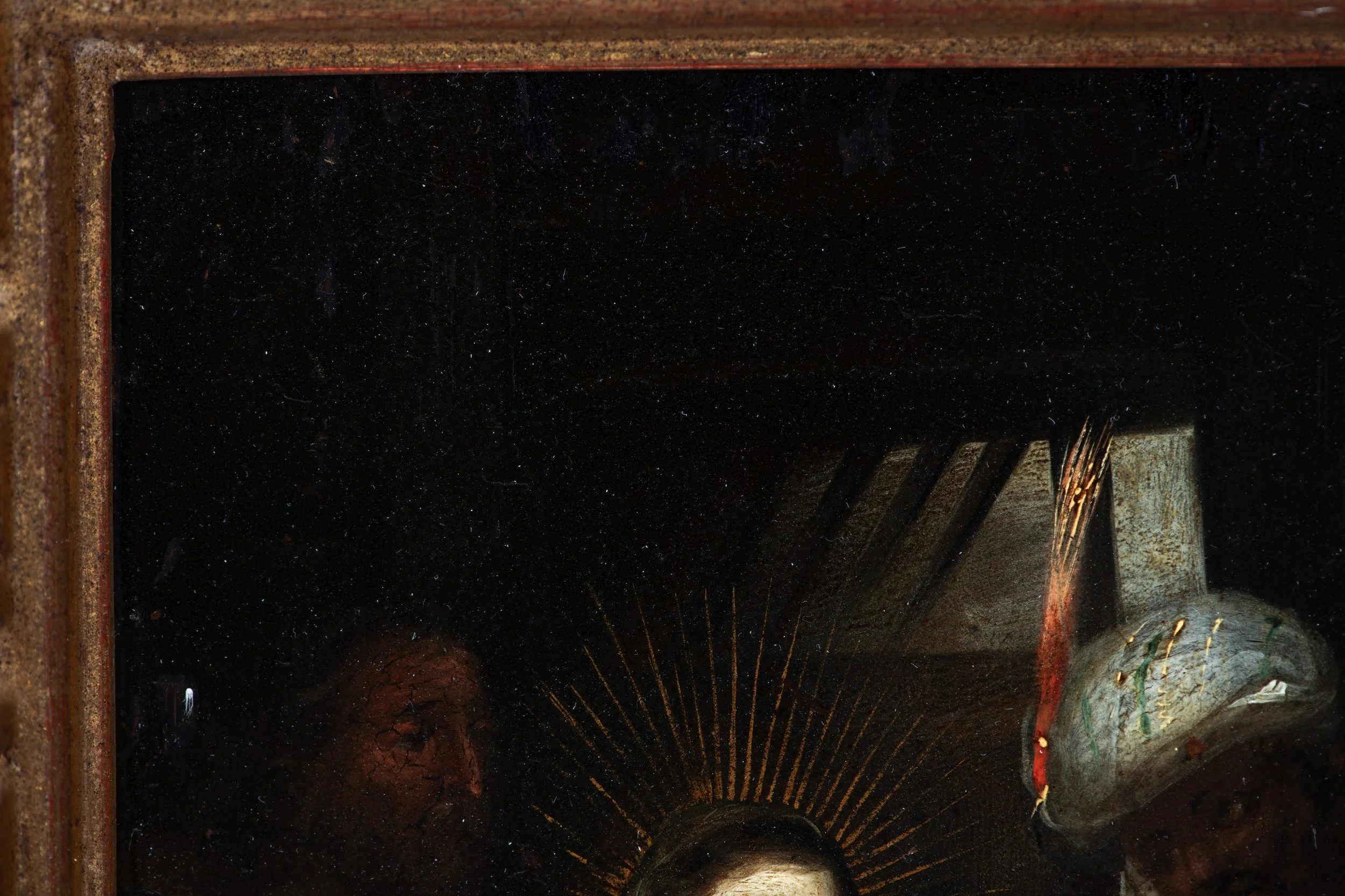 Image 17 of 25
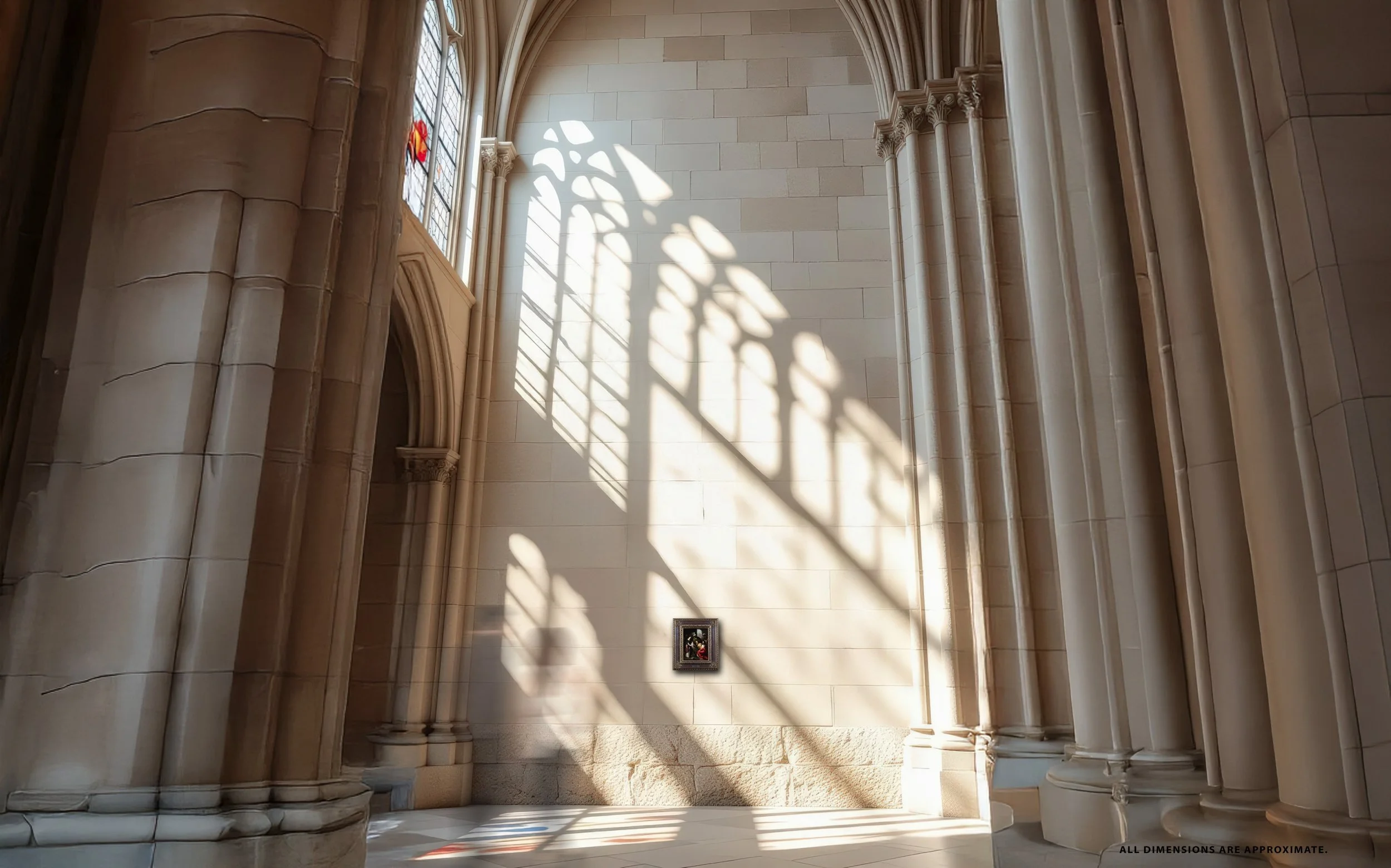 Image 18 of 25
 Image 19 of 25
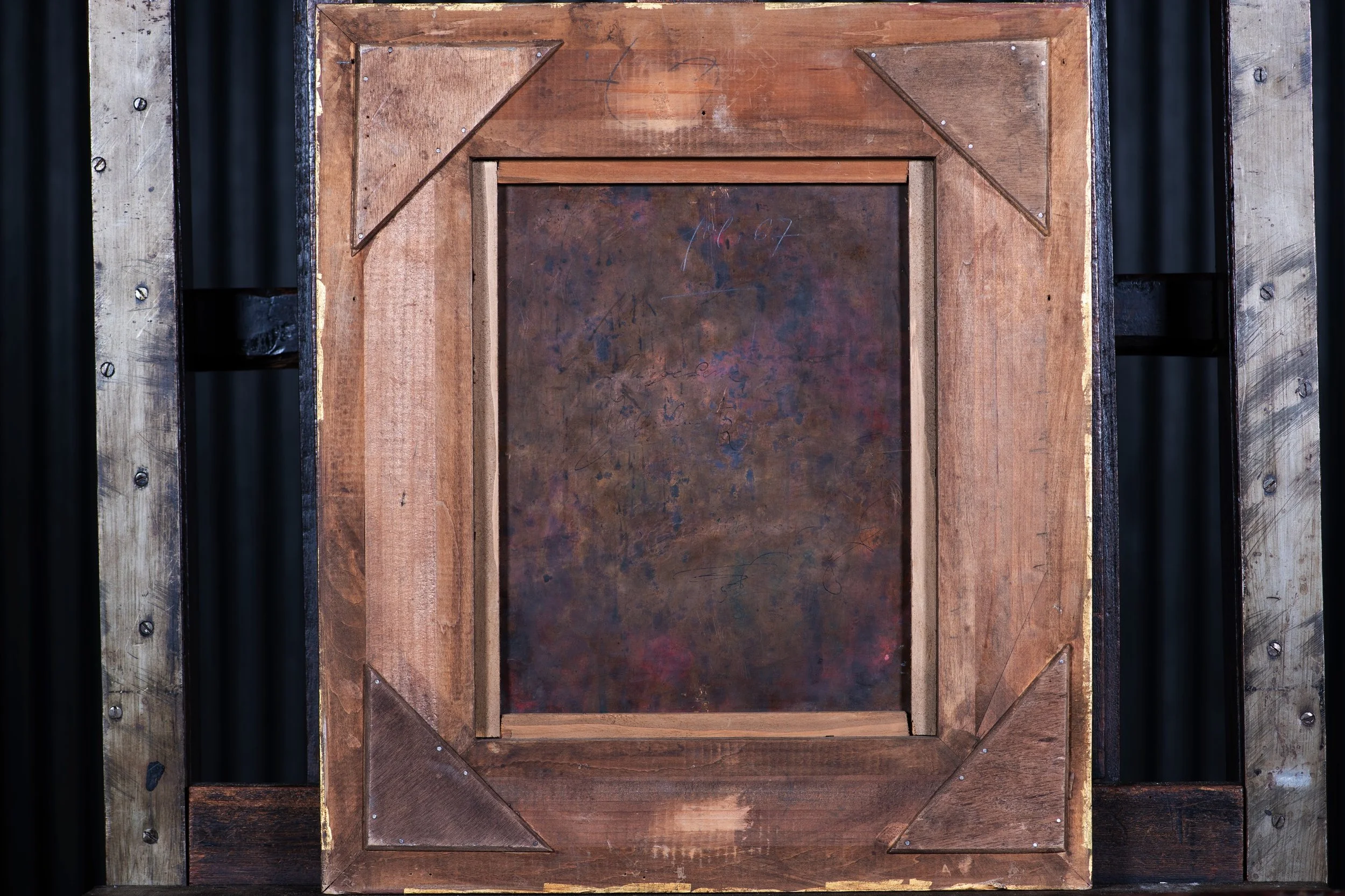 Image 20 of 25
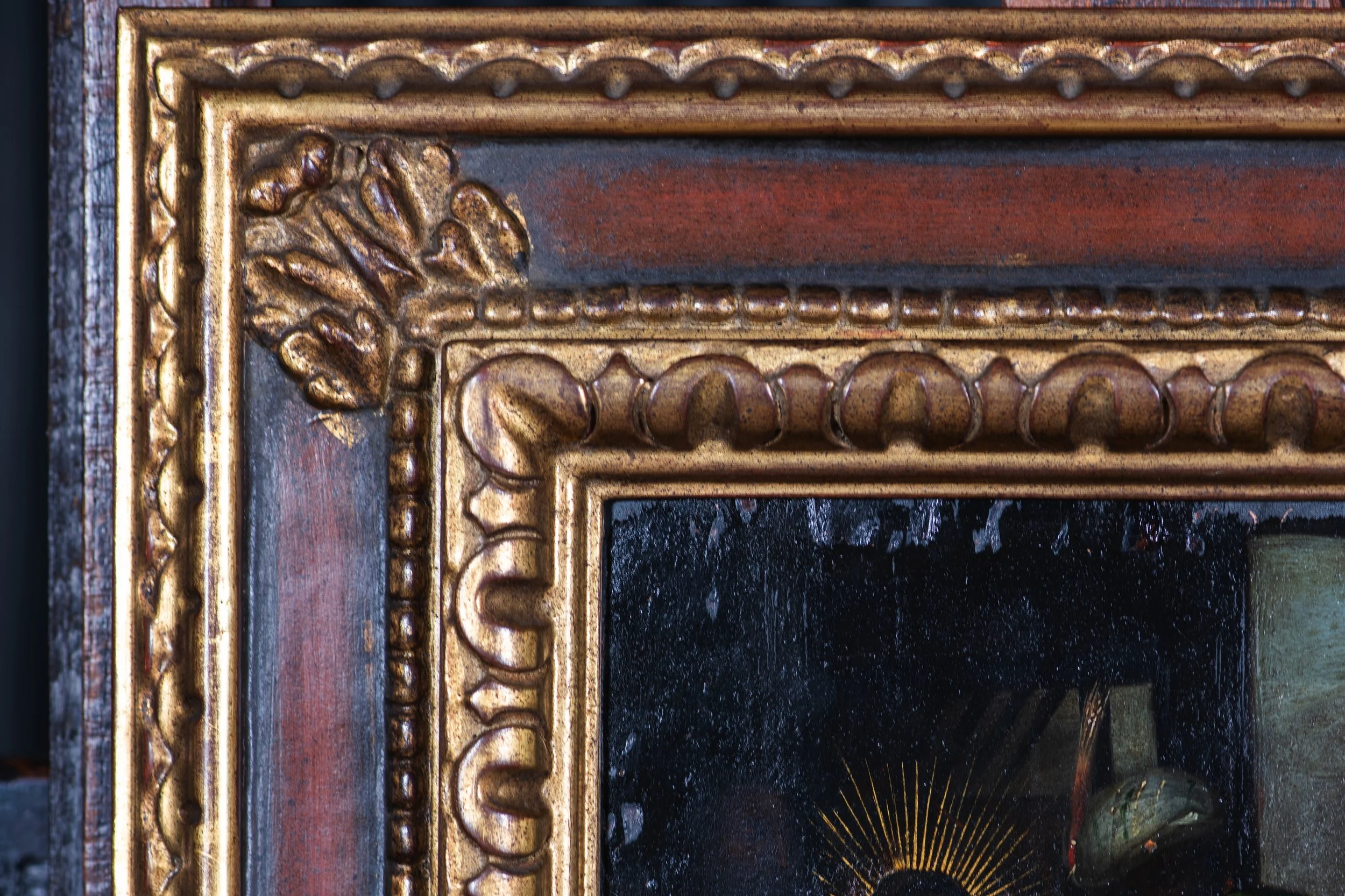 Image 21 of 25
 Image 22 of 25
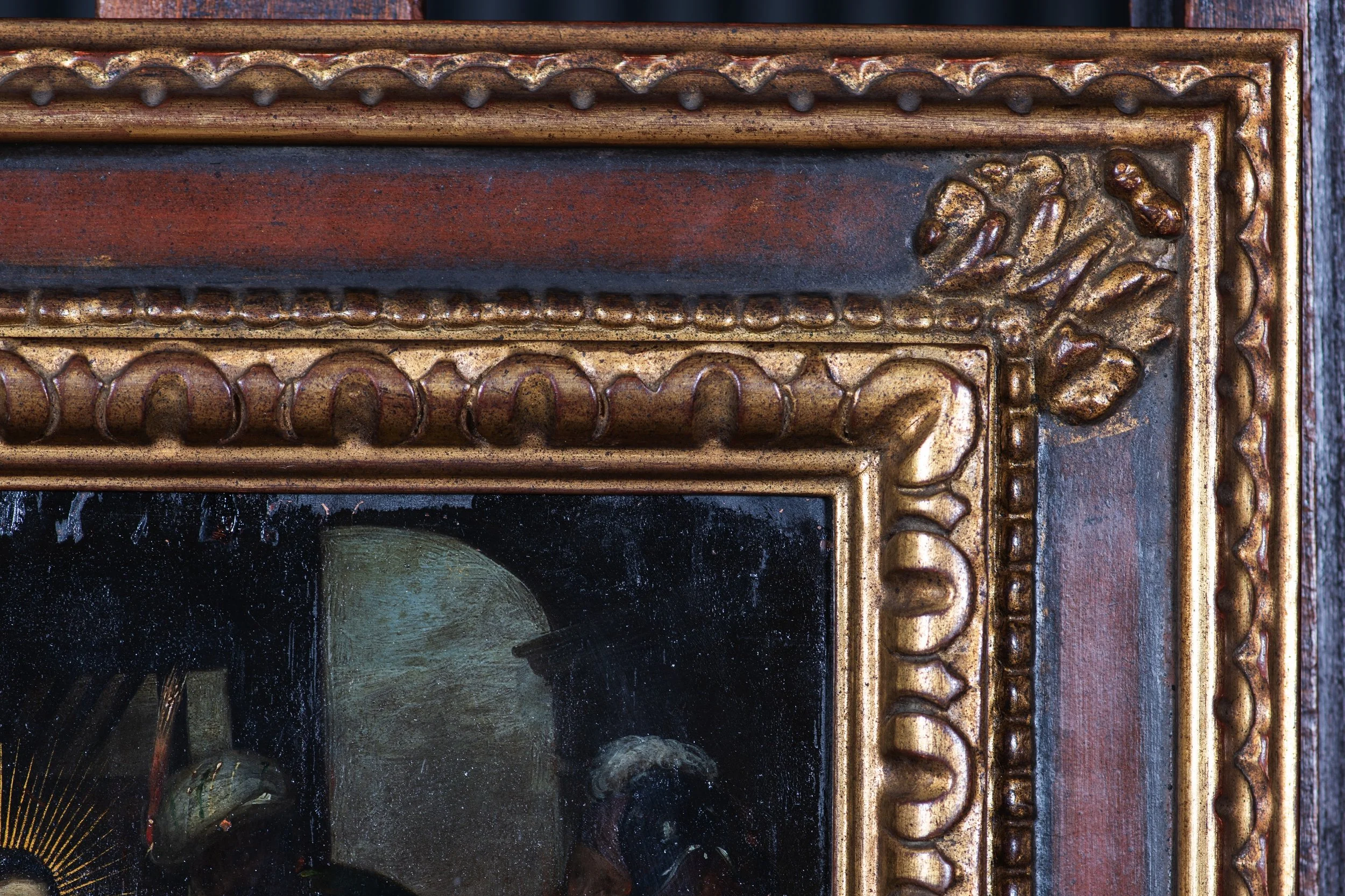 Image 23 of 25
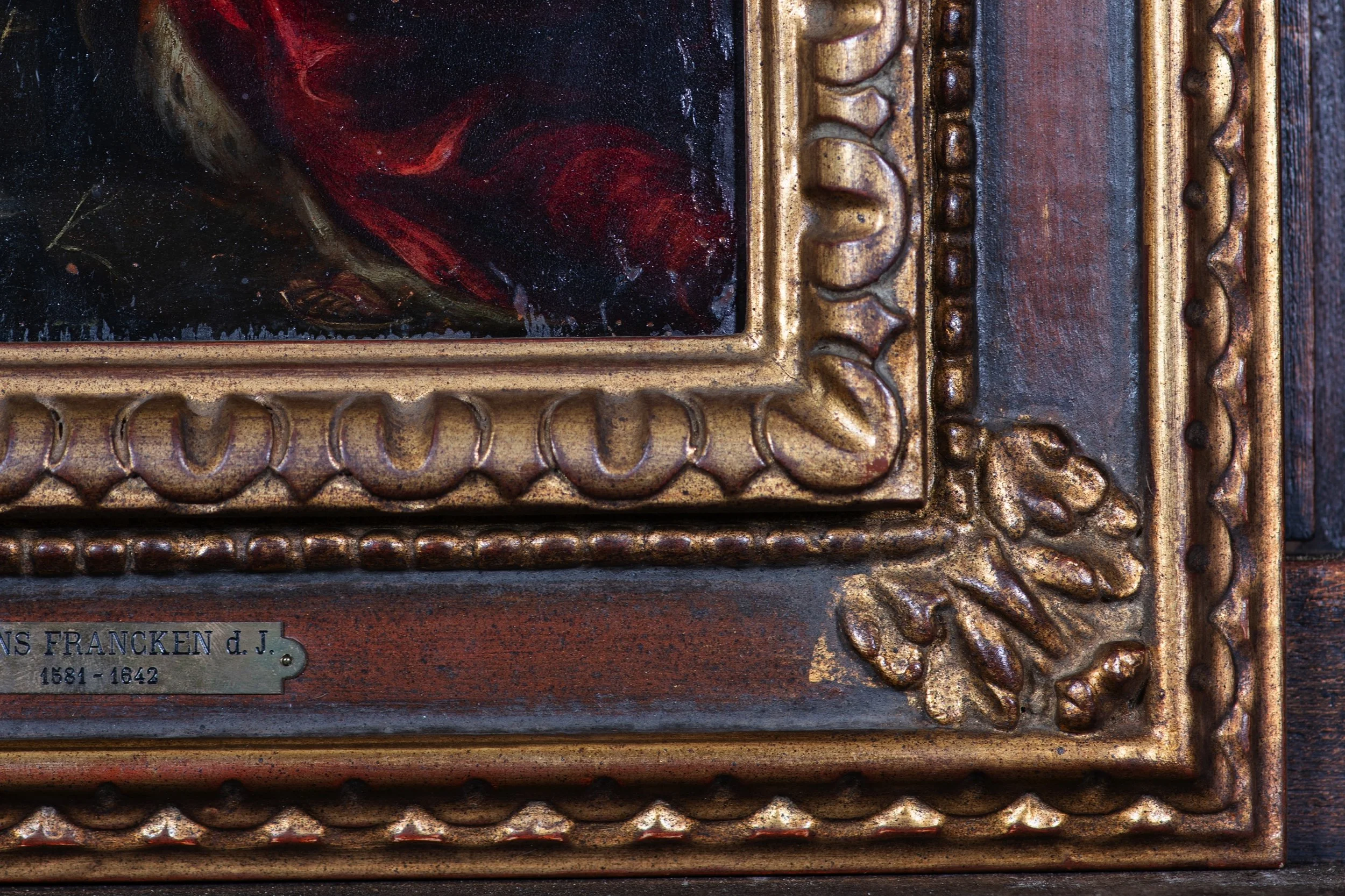 Image 24 of 25
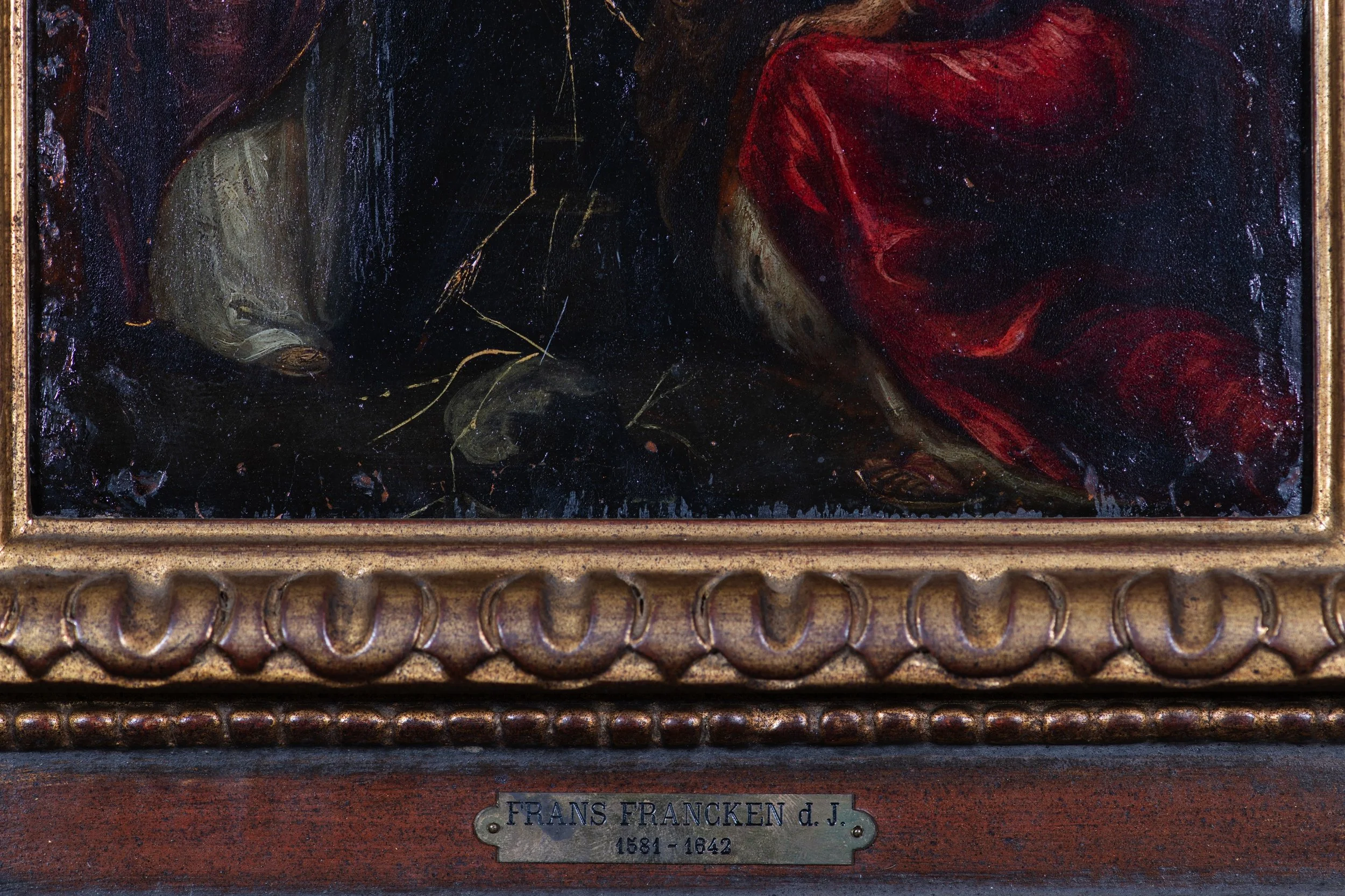 Image 25 of 25