CONTACT US
Circle of David Vinckboons (1576–1632)
The Walk to Emmaus
Oil on copper, 12.8 × 16.8 cm (with frame 33 × 36.5 cm)
Flemish Baroque – unsigned – locally thin paint, light stable craquelure, recently surface-cleaned and finished with an ultra-thin matte dammar varnish
Introduction
This refined seventeenth-century cabinet painting on copper belongs to the circle of David Vinckboons, a key figure in the transition from late sixteenth-century Mannerism to the early Dutch and Flemish Baroque. Vinckboons and his immediate circle were renowned for their meticulously rendered landscapes, highly controlled brushwork and an unmistakably narrative approach. The present painting, depicting the Walk to Emmaus, offers a quintessential example: a sacred subject conveyed not through monumentality, but through subtlety, atmosphere, and the precision of a miniature. It unites the essential qualities of the Flemish Baroque—mastery of colour and light, richly modulated landscapes, and a clearly defined narrative core—within an intimate format.
Description of the Work
At the centre of the composition, three figures occupy a modest portion of the panel. Christ, identifiable by his warm red mantle, is flanked by the two disciples in muted earth tones and travelling garments typical of early-seventeenth-century interpretations. Their gestures convey an animated conversation during their journey towards Emmaus. The disciple to the right raises his hand in a guiding motion, directing attention to the path or the distant village, while Christ subtly points forward—an understated foreshadowing of the later moment of recognition.
Surrounding this compact narrative is an exceptionally rich and varied landscape. The foreground abounds in botanically precise leaves, shoots and ground vegetation, executed with delicate, almost drawing-like precision reminiscent of Vinckboons and his followers. Behind the figures rises a dense woodland, where dark trunks contrast with a canopy of luminous foliage pierced by soft, diffused light. The background opens into an extensive atmospheric vista of rolling hills, cool blue-green tones, and a faintly glowing horizon, with a settlement nestled into the distance.
The juxtaposition of meticulous foreground detail and poetic, receding space is one of the painting’s most compelling strengths. Despite its compact size, the artist succeeds in creating both depth and serenity, qualities that resonate strongly with the spiritual tenor of the Emmaus narrative.
Technique and Use of Colour
Copper, a highly favoured support in the seventeenth century, provided painters with an exceptionally smooth surface ideal for minute brushwork and subtle glazes. Here, the painter has made full use of these qualities: the figures, leaves and contours are rendered with crisp, controlled strokes, while the atmosphere is shaped through delicate, transparent layers.
The palette is balanced and intentionally orchestrated. Cool greens dominate the woodland setting, visually offset by the vibrant red of Christ’s robe. The distant landscape is built in blue-yellow gradients characteristic of early Baroque landscape painting in the Southern Netherlands. This colour arrangement enhances spatial clarity and draws the viewer gently toward the narrative centre.
The ultra-thin matte dammar varnish applied during recent conservation has revived the chromatic balance without introducing harsh reflections. Under UV light, the paint layer appears stable with scattered minor retouching, consistent with a work of this age and material.
Composition and Art-Historical Context
The structure of the composition reflects the canon of Flemish landscape painting in which the human narrative is deliberately modest in scale compared to the natural world. This approach, rooted in the work of Gillis van Coninxloo and refined by later masters such as Jan Brueghel the Elder and David Vinckboons, imbues the landscape with emotional and spiritual resonance rather than treating it merely as a backdrop.
The diagonal sweep of the path, the rhythm of vertical tree trunks, and the soft transition into the horizon demonstrate keen spatial understanding and an awareness of the narrative potential inherent in landscape. Depicting Christ and the disciples as small figures within a vast natural setting reflects the theological dimension of the Emmaus story—travellers moving through a world larger than themselves, on the threshold of recognition and revelation.
Within the broader stylistic landscape, this work aligns with the Flemish Baroque tradition and resonates with the oeuvre of Hendrick van Balen, Jan Brueghel the Elder, Gillis van Coninxloo, as well as international contemporaries Paul Bril and Adam Elsheimer.
The Artist and His Circle
David Vinckboons was born in Mechelen and relocated with his family to Amsterdam after the fall of Antwerp in 1585. There he became a defining figure of early Dutch painting, celebrated for his landscapes, village scenes and historical subjects. His workshop and influence were considerable, shaping the work of numerous painters active in both the Northern and Southern Netherlands.
Although the present painting is unsigned and appropriately attributed to the “circle of Vinckboons,” it exhibits many hallmarks of his environment: the compact format, the finely constructed landscape, the miniature-like clarity and the lively, narratively charged figures. These qualities reflect a close familiarity with the pictorial language cultivated in and around his studio.
Condition
The painting survives in a notably attractive state appropriate to its age, support, and technique. The paint surface shows some naturally thin areas and light, stable craquelure typical of copper supports built up with fine glazes. The recent surface cleaning and ultra-thin matte varnish have restored clarity to the colours while maintaining a gentle, historically sympathetic finish. The work is presented in a richly moulded ebony frame of early-Baroque character, which enhances its presence and museum-quality appeal.
Conclusion
This cabinet painting from the circle of David Vinckboons is a highly appealing example of early seventeenth-century Flemish Baroque painting on copper. Its union of religious narrative, refined landscape construction and exquisite precision renders it a work of both historical and aesthetic significance. It is ideally suited for collectors with an eye for Northern European Baroque art and for connoisseurs who appreciate the rare artistry of finely executed copper miniatures with a strong narrative presence.
CONTACT US
Circle of David Vinckboons (1576–1632)
The Walk to Emmaus
Oil on copper, 12.8 × 16.8 cm (with frame 33 × 36.5 cm)
Flemish Baroque – unsigned – locally thin paint, light stable craquelure, recently surface-cleaned and finished with an ultra-thin matte dammar varnish
Introduction
This refined seventeenth-century cabinet painting on copper belongs to the circle of David Vinckboons, a key figure in the transition from late sixteenth-century Mannerism to the early Dutch and Flemish Baroque. Vinckboons and his immediate circle were renowned for their meticulously rendered landscapes, highly controlled brushwork and an unmistakably narrative approach. The present painting, depicting the Walk to Emmaus, offers a quintessential example: a sacred subject conveyed not through monumentality, but through subtlety, atmosphere, and the precision of a miniature. It unites the essential qualities of the Flemish Baroque—mastery of colour and light, richly modulated landscapes, and a clearly defined narrative core—within an intimate format.
Description of the Work
At the centre of the composition, three figures occupy a modest portion of the panel. Christ, identifiable by his warm red mantle, is flanked by the two disciples in muted earth tones and travelling garments typical of early-seventeenth-century interpretations. Their gestures convey an animated conversation during their journey towards Emmaus. The disciple to the right raises his hand in a guiding motion, directing attention to the path or the distant village, while Christ subtly points forward—an understated foreshadowing of the later moment of recognition.
Surrounding this compact narrative is an exceptionally rich and varied landscape. The foreground abounds in botanically precise leaves, shoots and ground vegetation, executed with delicate, almost drawing-like precision reminiscent of Vinckboons and his followers. Behind the figures rises a dense woodland, where dark trunks contrast with a canopy of luminous foliage pierced by soft, diffused light. The background opens into an extensive atmospheric vista of rolling hills, cool blue-green tones, and a faintly glowing horizon, with a settlement nestled into the distance.
The juxtaposition of meticulous foreground detail and poetic, receding space is one of the painting’s most compelling strengths. Despite its compact size, the artist succeeds in creating both depth and serenity, qualities that resonate strongly with the spiritual tenor of the Emmaus narrative.
Technique and Use of Colour
Copper, a highly favoured support in the seventeenth century, provided painters with an exceptionally smooth surface ideal for minute brushwork and subtle glazes. Here, the painter has made full use of these qualities: the figures, leaves and contours are rendered with crisp, controlled strokes, while the atmosphere is shaped through delicate, transparent layers.
The palette is balanced and intentionally orchestrated. Cool greens dominate the woodland setting, visually offset by the vibrant red of Christ’s robe. The distant landscape is built in blue-yellow gradients characteristic of early Baroque landscape painting in the Southern Netherlands. This colour arrangement enhances spatial clarity and draws the viewer gently toward the narrative centre.
The ultra-thin matte dammar varnish applied during recent conservation has revived the chromatic balance without introducing harsh reflections. Under UV light, the paint layer appears stable with scattered minor retouching, consistent with a work of this age and material.
Composition and Art-Historical Context
The structure of the composition reflects the canon of Flemish landscape painting in which the human narrative is deliberately modest in scale compared to the natural world. This approach, rooted in the work of Gillis van Coninxloo and refined by later masters such as Jan Brueghel the Elder and David Vinckboons, imbues the landscape with emotional and spiritual resonance rather than treating it merely as a backdrop.
The diagonal sweep of the path, the rhythm of vertical tree trunks, and the soft transition into the horizon demonstrate keen spatial understanding and an awareness of the narrative potential inherent in landscape. Depicting Christ and the disciples as small figures within a vast natural setting reflects the theological dimension of the Emmaus story—travellers moving through a world larger than themselves, on the threshold of recognition and revelation.
Within the broader stylistic landscape, this work aligns with the Flemish Baroque tradition and resonates with the oeuvre of Hendrick van Balen, Jan Brueghel the Elder, Gillis van Coninxloo, as well as international contemporaries Paul Bril and Adam Elsheimer.
The Artist and His Circle
David Vinckboons was born in Mechelen and relocated with his family to Amsterdam after the fall of Antwerp in 1585. There he became a defining figure of early Dutch painting, celebrated for his landscapes, village scenes and historical subjects. His workshop and influence were considerable, shaping the work of numerous painters active in both the Northern and Southern Netherlands.
Although the present painting is unsigned and appropriately attributed to the “circle of Vinckboons,” it exhibits many hallmarks of his environment: the compact format, the finely constructed landscape, the miniature-like clarity and the lively, narratively charged figures. These qualities reflect a close familiarity with the pictorial language cultivated in and around his studio.
Condition
The painting survives in a notably attractive state appropriate to its age, support, and technique. The paint surface shows some naturally thin areas and light, stable craquelure typical of copper supports built up with fine glazes. The recent surface cleaning and ultra-thin matte varnish have restored clarity to the colours while maintaining a gentle, historically sympathetic finish. The work is presented in a richly moulded ebony frame of early-Baroque character, which enhances its presence and museum-quality appeal.
Conclusion
This cabinet painting from the circle of David Vinckboons is a highly appealing example of early seventeenth-century Flemish Baroque painting on copper. Its union of religious narrative, refined landscape construction and exquisite precision renders it a work of both historical and aesthetic significance. It is ideally suited for collectors with an eye for Northern European Baroque art and for connoisseurs who appreciate the rare artistry of finely executed copper miniatures with a strong narrative presence.

 Image 1 of 17
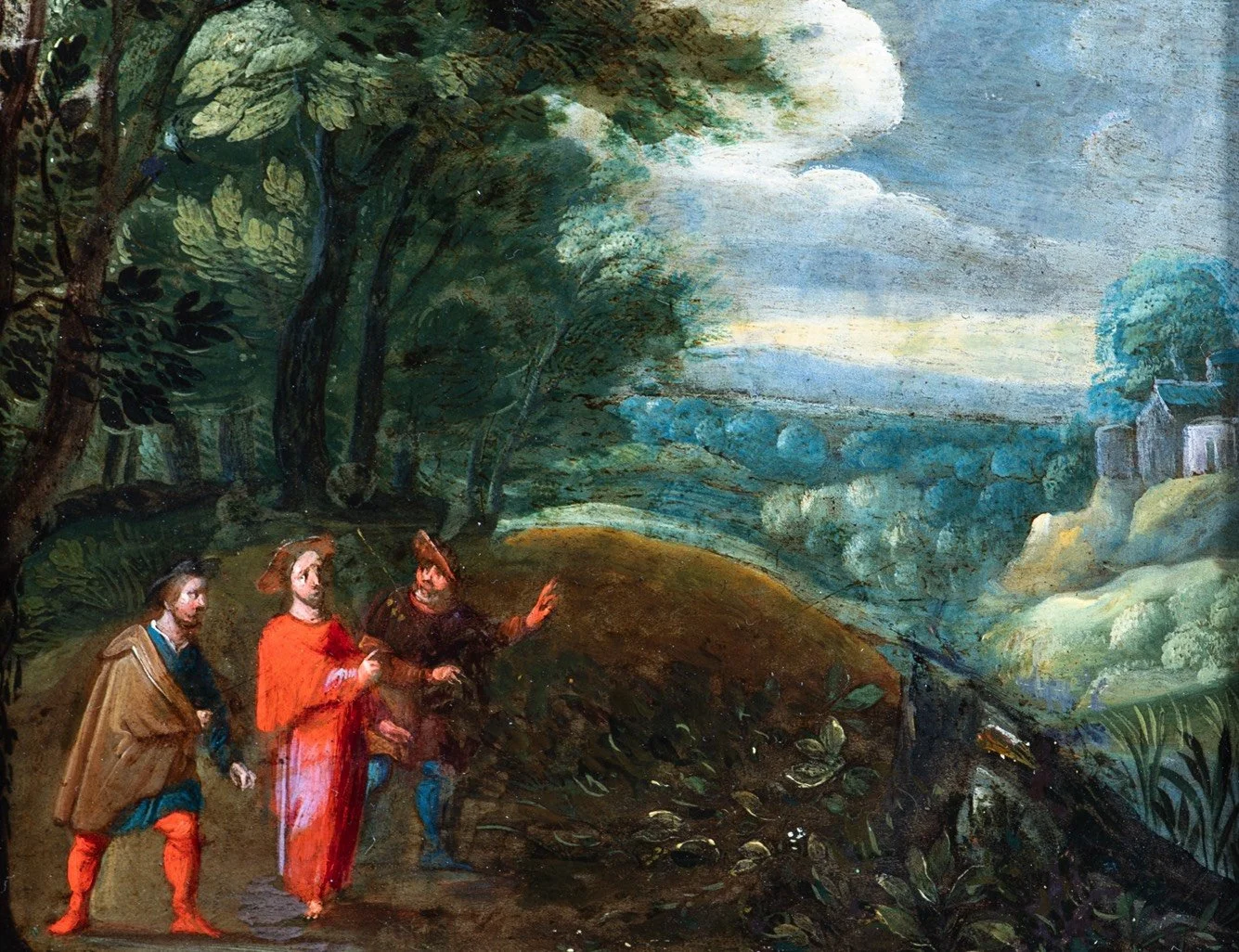 Image 2 of 17
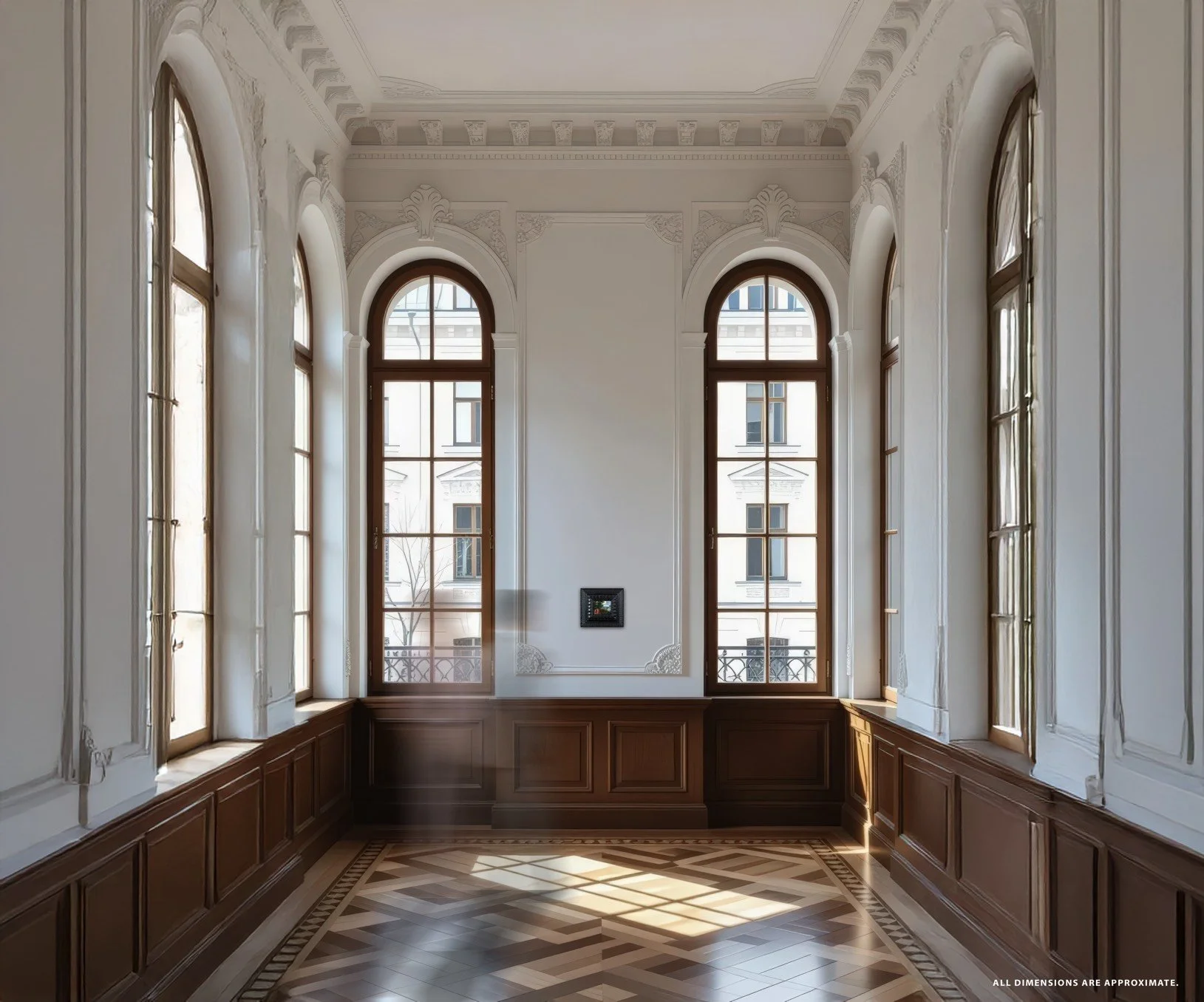 Image 3 of 17
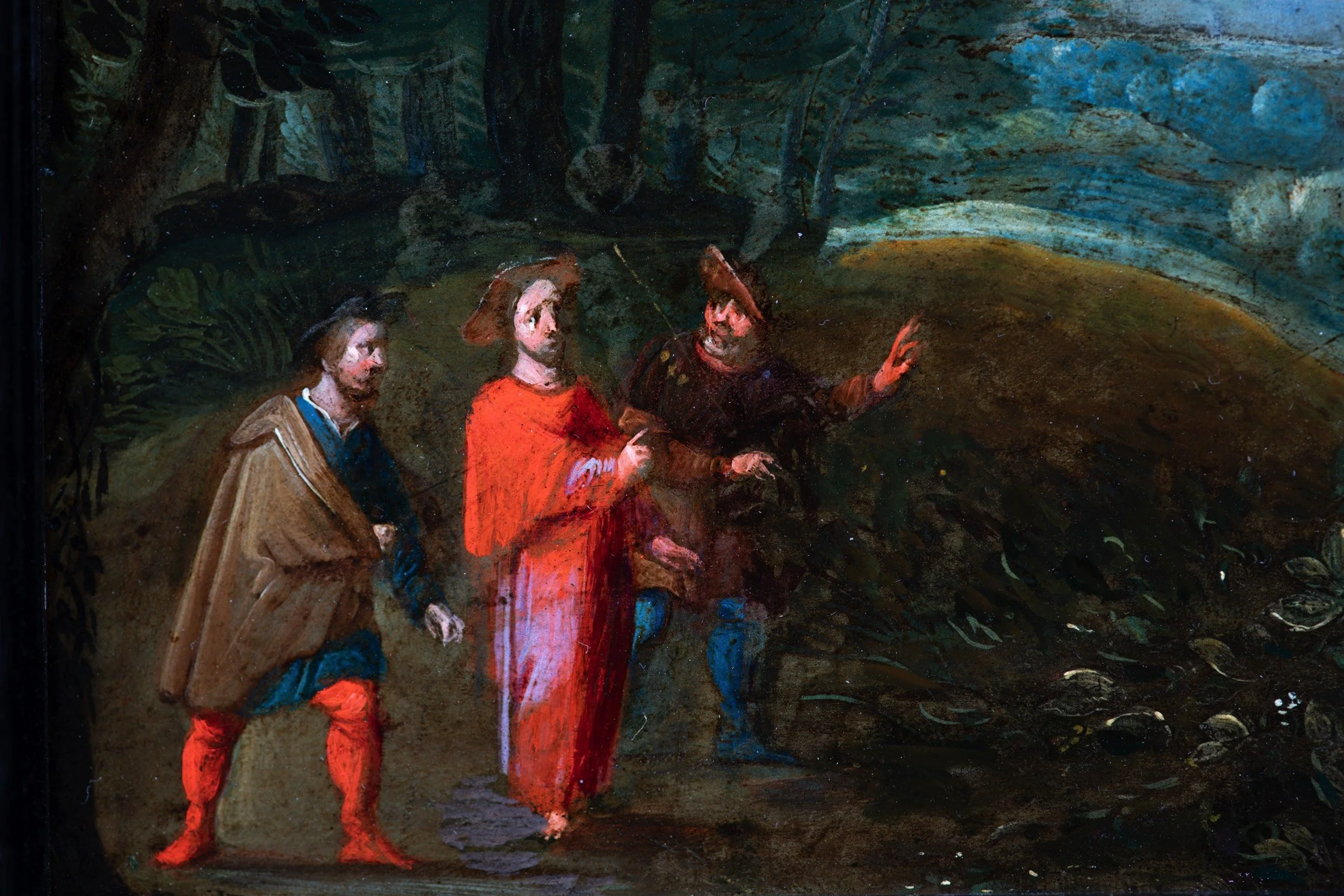 Image 4 of 17
 Image 5 of 17
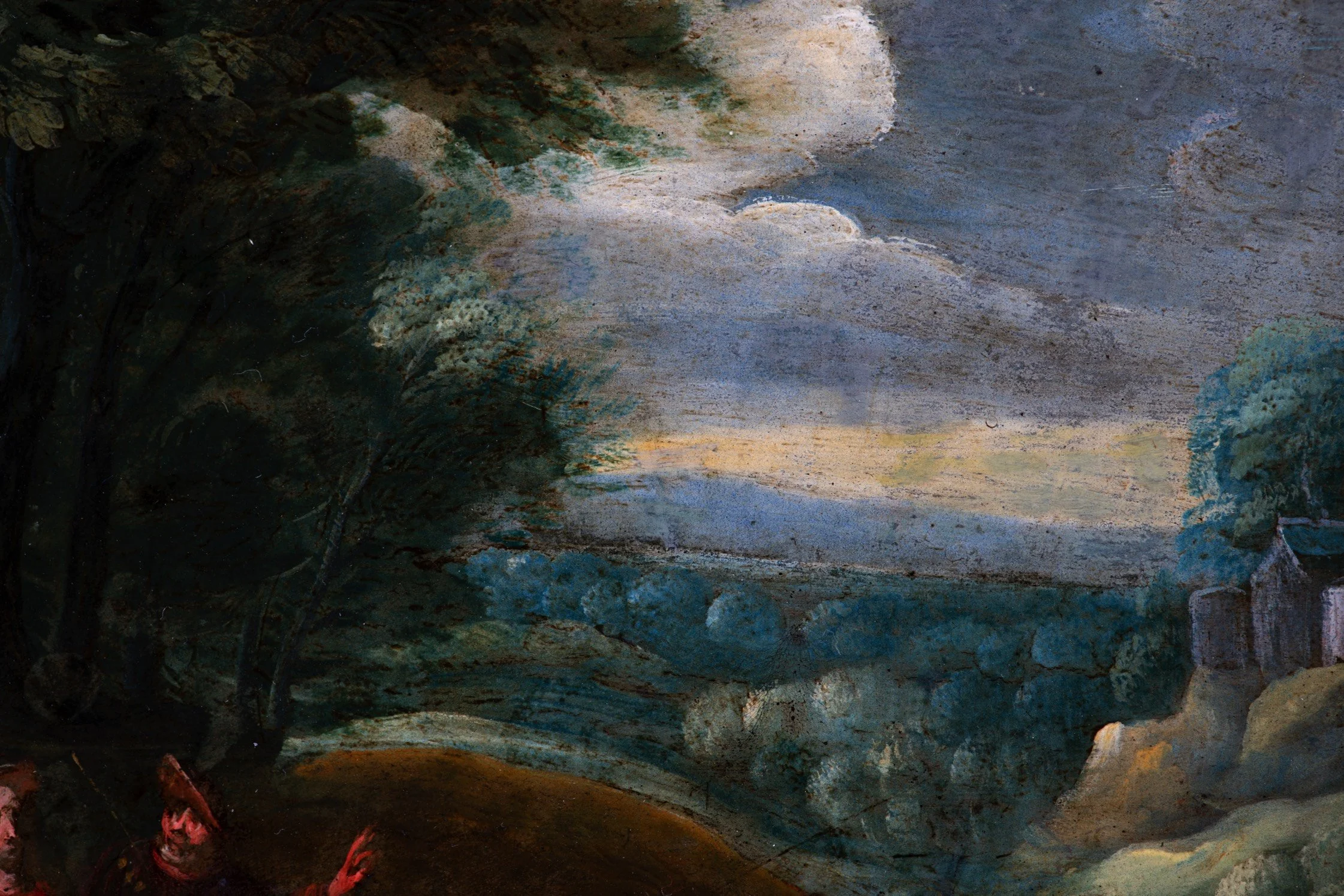 Image 6 of 17
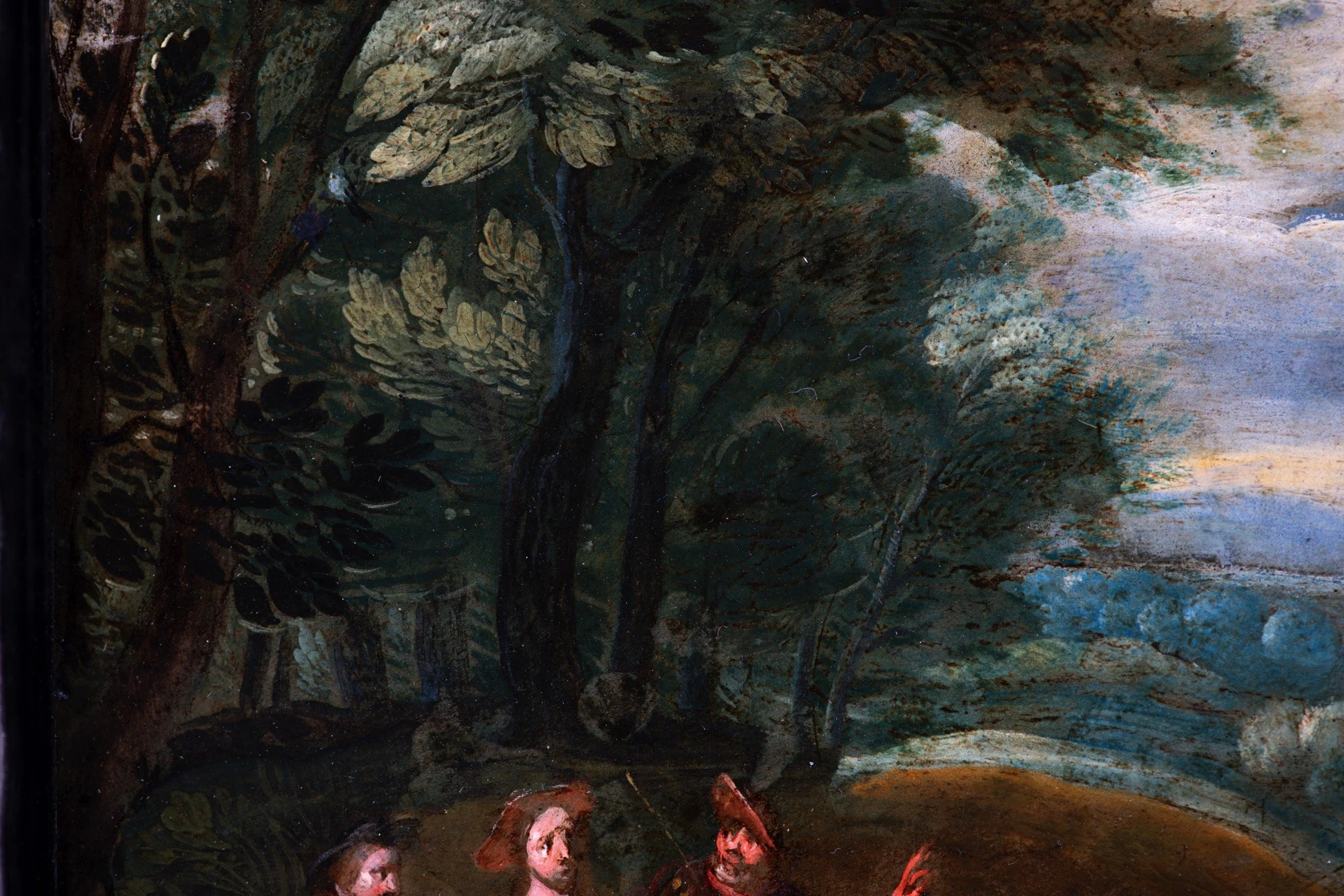 Image 7 of 17
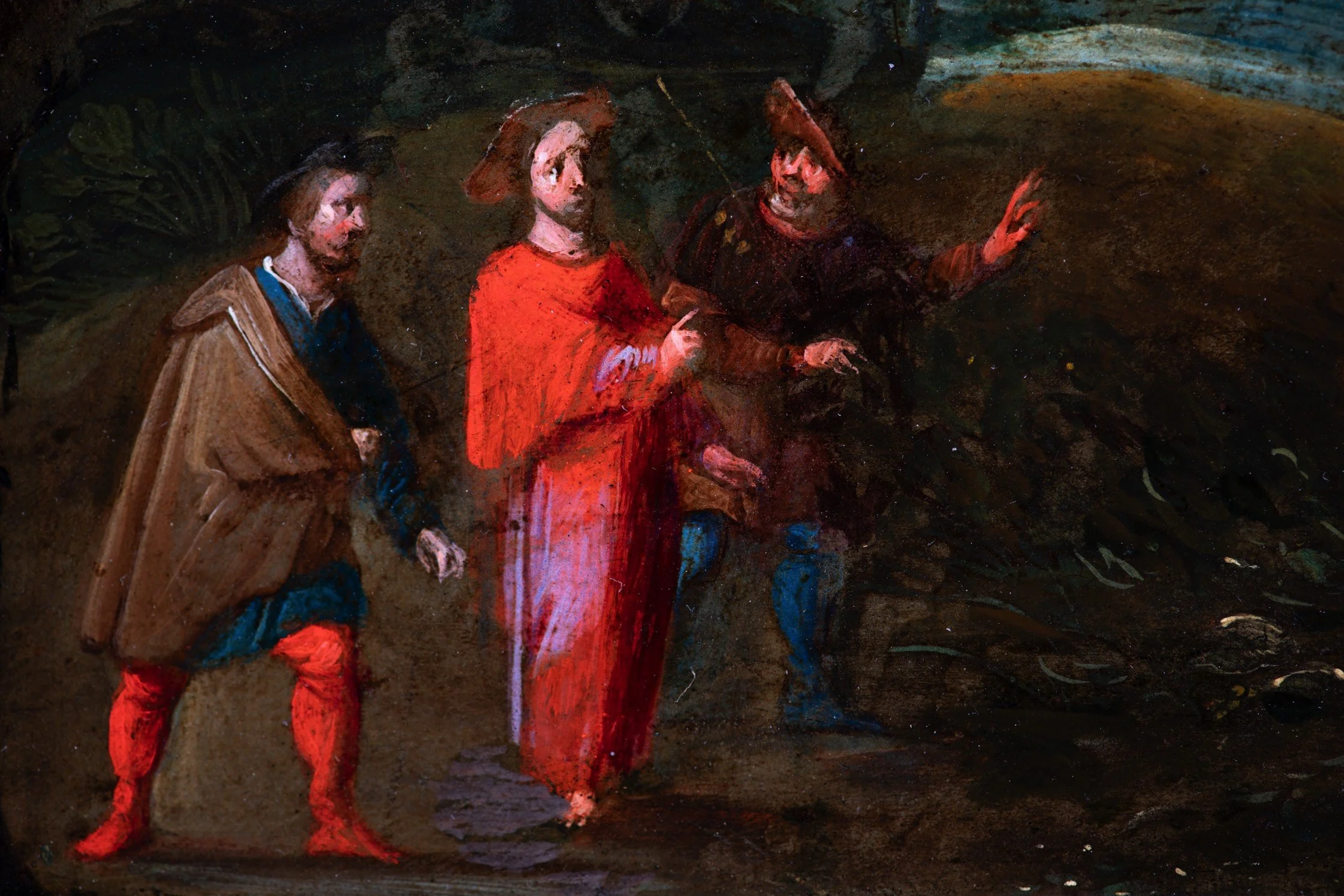 Image 8 of 17
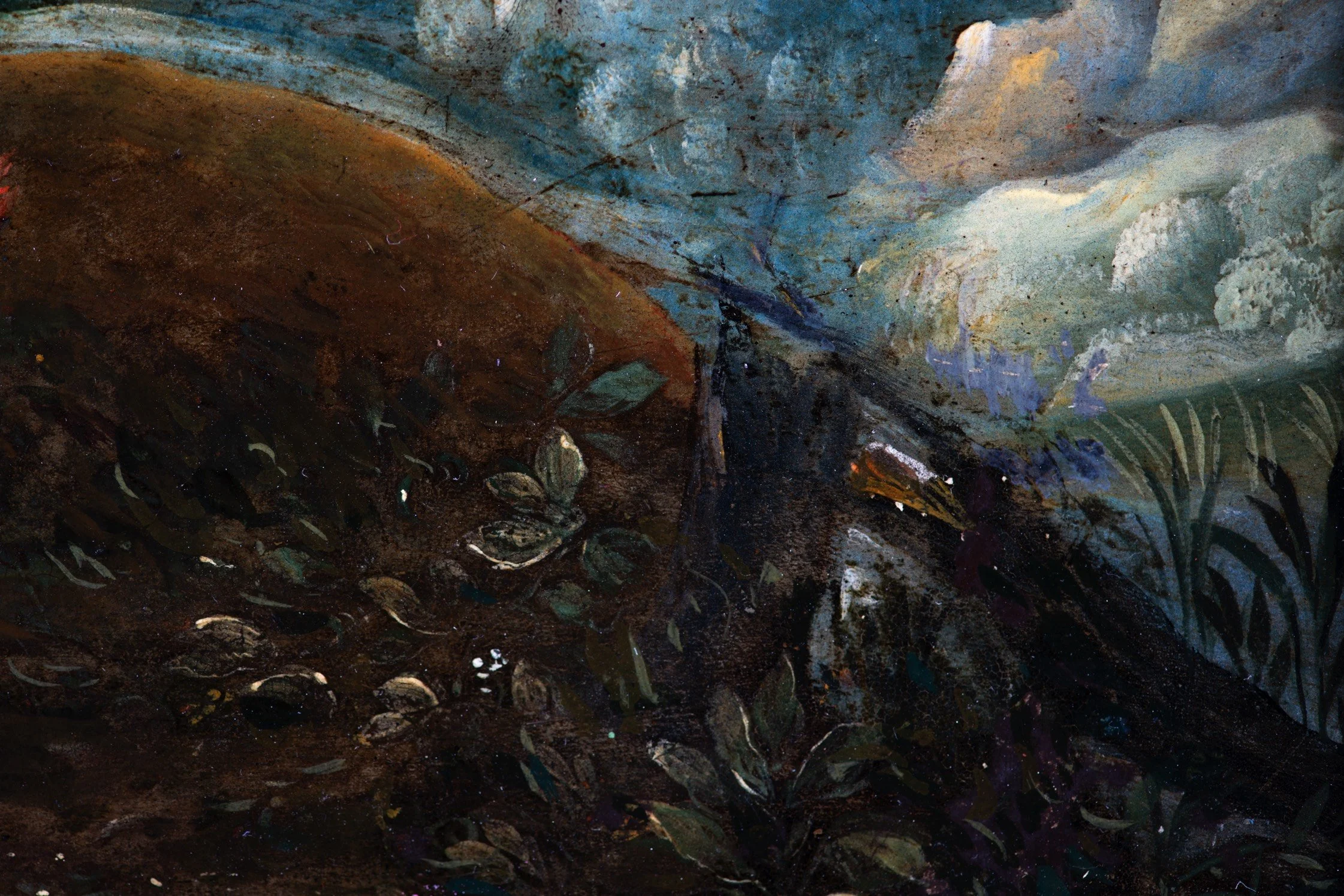 Image 9 of 17
 Image 10 of 17
 Image 11 of 17
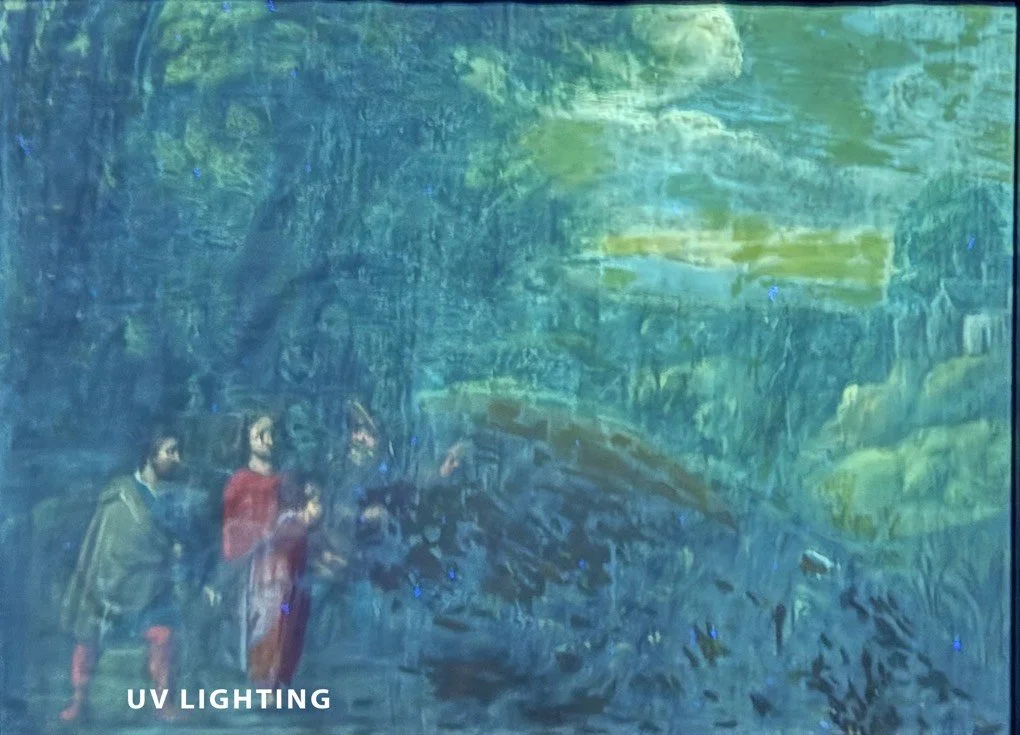 Image 12 of 17
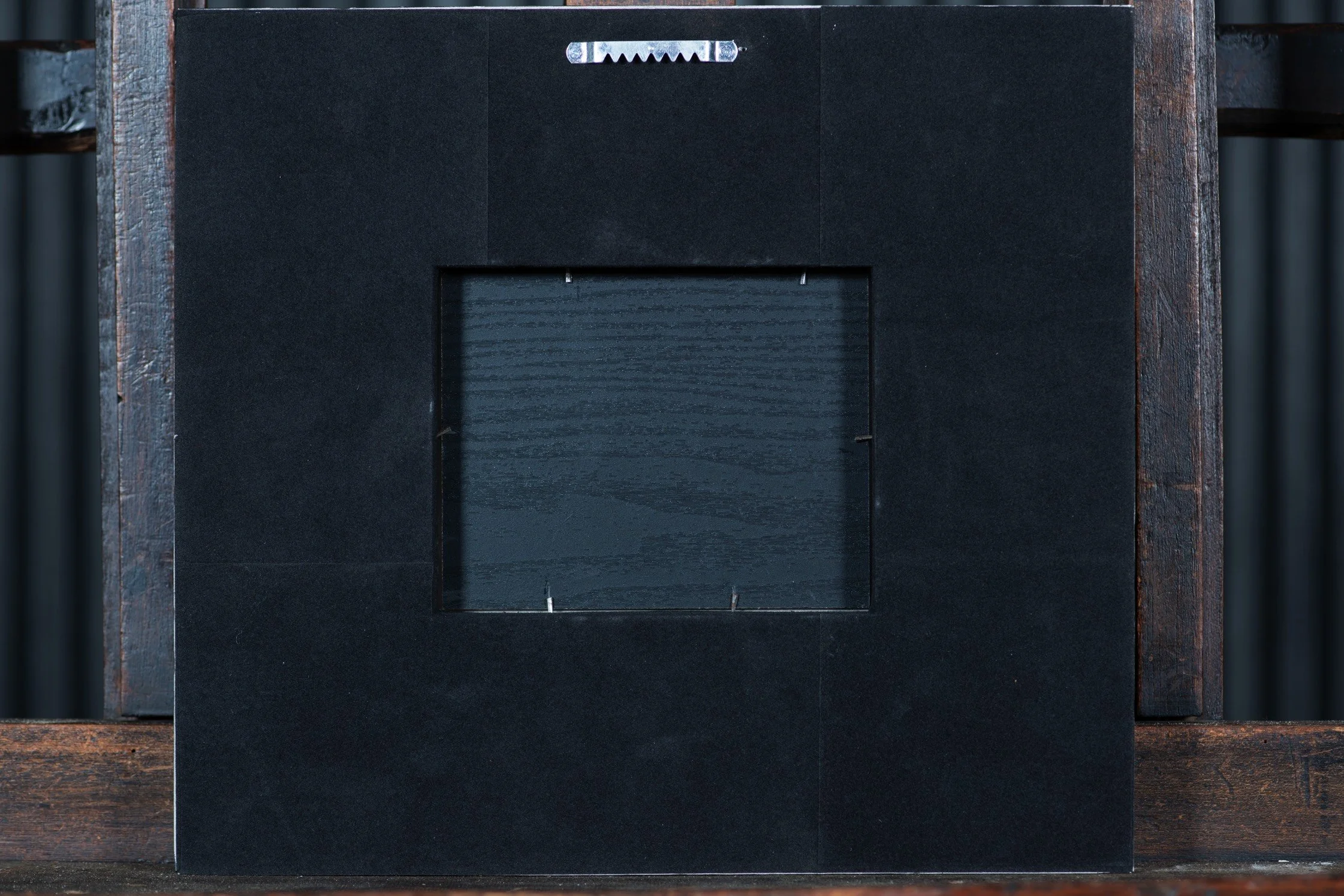 Image 13 of 17
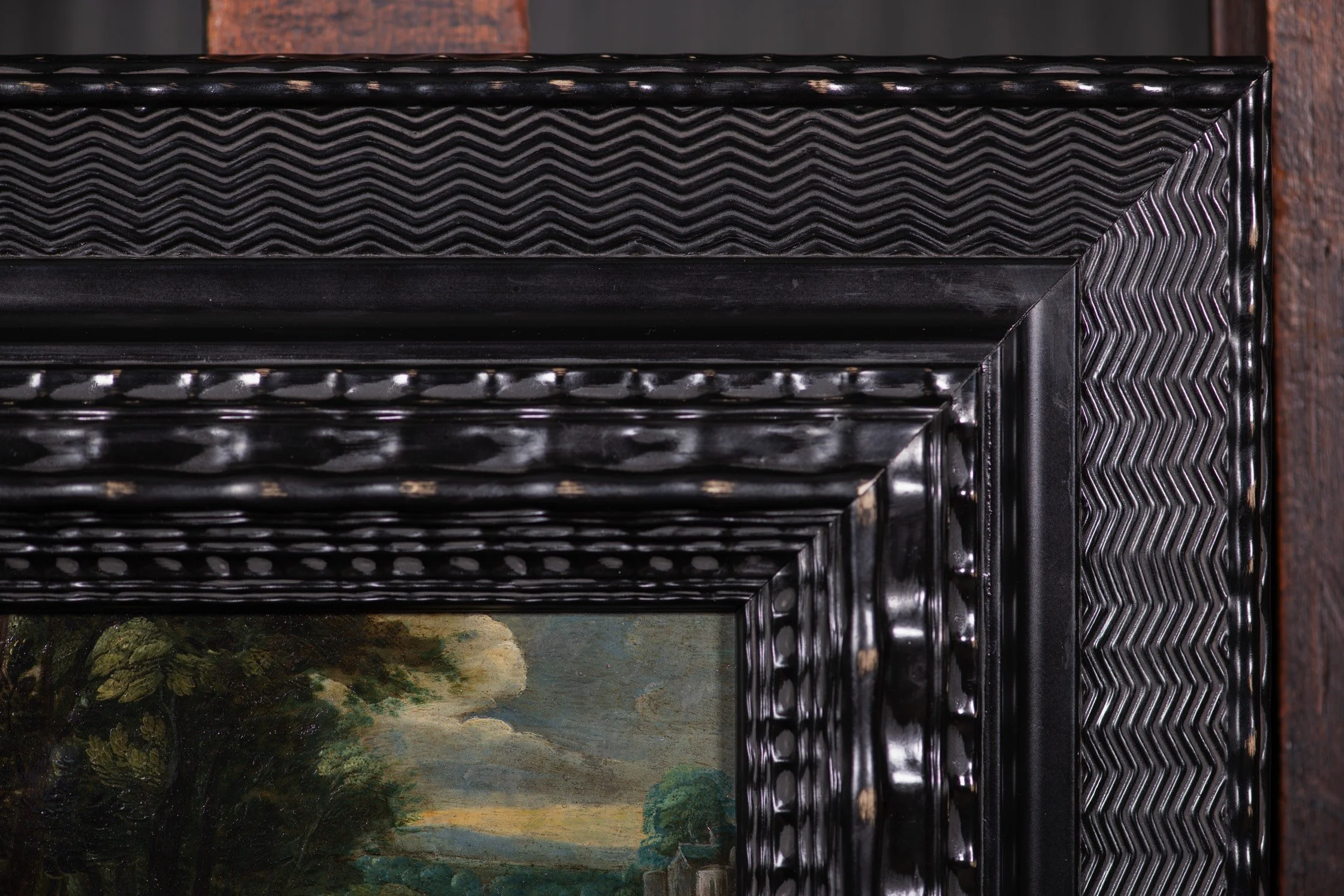 Image 14 of 17
 Image 15 of 17
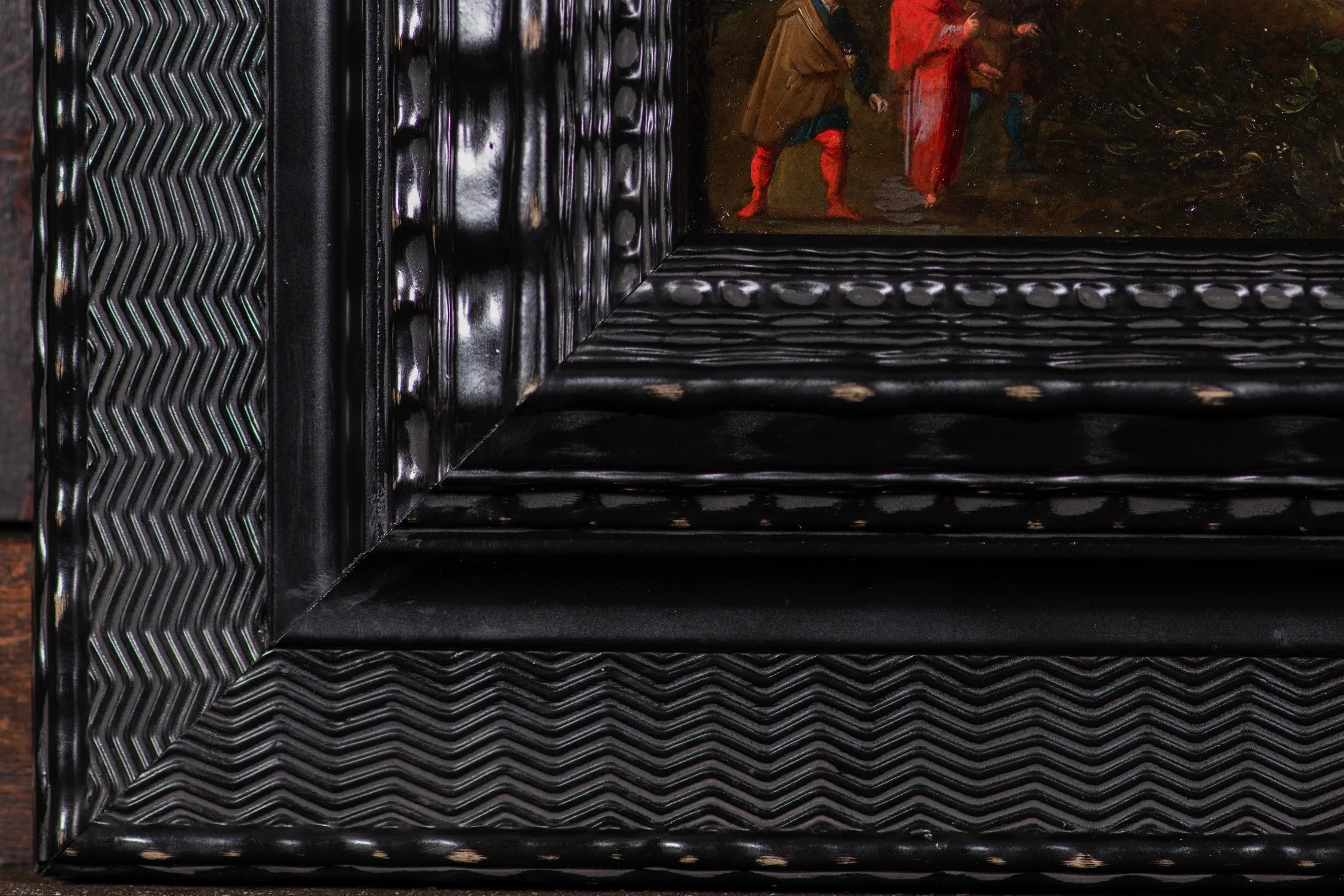 Image 16 of 17
 Image 17 of 17