CONTACT US
Dutch School, 17th Century
Portrait of a Lady
Oil on panel, 57.5 × 48.5 cm; in a monumental 18th/19th-century gilt frame 77.5 × 68.5 cm (panel with later parquetry)
Professionally cleaned; areas of paint loss; retouching visible under UV
Introduction
This refined seventeenth-century portrait of a lady stands as a representative example of the distinguished Dutch portrait tradition of the Golden Age. Its restrained dignity, subtle naturalism and technical refinement align seamlessly with the aesthetic principles of the Dutch Baroque. The carefully executed panel—later strengthened through parquetry—combined with its monumental eighteenth-/early nineteenth-century gilt frame, lends the work a strikingly museum-quality presence and underscores the stately character of the sitter.
Description of the Work
The sitter is depicted at half length, turned slightly to the right, set against a deep, dark background that allows her face and upper torso to emerge with elegance and clarity. The artist has modelled the skin tones with finely layered glazes, resulting in a soft, porcelain-like luminosity. Her steady yet composed gaze introduces a quiet psychological depth characteristic of seventeenth-century Dutch elite portraiture.
The elaborate lace collar forms a focal point of the composition. Its intricate structure, the play of transparency in the folds, and the subtle shadows attest to a high level of craftsmanship. The double strand of pearls and the distinctive teardrop pearl earrings are painted with delicate highlights that convincingly evoke their material qualities. The dark gown, enriched with understated textile details, provides a visual counterbalance to the lighter lacework and contributes to the harmonious balance of the composition.
Technique & Colouration
The portrait is executed in oil on panel, a support frequently chosen for high-quality commissioned portraits in the seventeenth century. The parquetry structure on the reverse serves as later stabilisation and is typical of conservation interventions undertaken in the eighteenth and nineteenth centuries. The natural craquelure visible across the paint surface confirms both the age and authenticity of the materials.
The artist employs thin glazes to achieve subtle transitions between light and shadow, particularly in the modelling of the face. The palette is composed of muted earth pigments, deep black, warm ochres and soft ivory tones. A recent superficial cleaning has restored the clarity of these tonalities. The matte dammar varnish with satin sheen offers protection and enhances legibility without compromising the historical character of the surface.
Composition
The composition follows the classical conventions of Dutch portraiture: a half-length figure placed before a neutral, dark background; a slight rotation of the body; and an emphasis on calm dignity. The interplay between dark clothing and the luminous lace elements, the controlled fall of light and the overall compositional serenity are all characteristic of a period in which representational restraint and aristocratic poise were highly valued.
Art Historical Context & Style
The portrait aligns with the mature portrait tradition of the Dutch Golden Age, in which naturalism, psychological nuance and technical precision were central. Its stylish sobriety and masterful rendering of textiles recall the work of leading Dutch painters such as Gerard ter Borch, Bartholomeus van der Helst, Nicolaes Maes, while on an international level it resonates with the refined portrait idioms of Anthony van Dyck, Diego Velázquez.
The Artist
Although unsigned, the execution clearly suggests a professionally trained portraitist active within an urban context of the seventeenth-century Dutch Republic. The meticulous treatment of lace, pearls and skin tones demonstrates solid technical expertise. The absence of a signature is not uncommon in this genre and period, especially within larger studio settings or commissioned works where representation, rather than authorship, was the primary focus.
Condition
The panel is structurally stable due to the later parquetry construction. Under UV light, scattered retouchings are visible, consistent with earlier restorations following historic paint loss. The recent cleaning has removed surface discolouration and aged varnish, restoring clarity and depth to the portrait. The monumental gilt frame from the eighteenth/early nineteenth century provides a historically appropriate setting and enhances the visual impact of the work.
Conclusion
This seventeenth-century portrait of a lady is an elegant and compelling example of Dutch portraiture at its most refined. Its combination of psychological subtlety, masterful textile depiction and harmonious tonal balance makes it a particularly attractive work within the broader spectrum of the Dutch Baroque. The monumental frame and excellent presentation further elevate the piece, making it a valuable acquisition for any collection devoted to Old Masters and the tradition of the Dutch Golden Age.
CONTACT US
Dutch School, 17th Century
Portrait of a Lady
Oil on panel, 57.5 × 48.5 cm; in a monumental 18th/19th-century gilt frame 77.5 × 68.5 cm (panel with later parquetry)
Professionally cleaned; areas of paint loss; retouching visible under UV
Introduction
This refined seventeenth-century portrait of a lady stands as a representative example of the distinguished Dutch portrait tradition of the Golden Age. Its restrained dignity, subtle naturalism and technical refinement align seamlessly with the aesthetic principles of the Dutch Baroque. The carefully executed panel—later strengthened through parquetry—combined with its monumental eighteenth-/early nineteenth-century gilt frame, lends the work a strikingly museum-quality presence and underscores the stately character of the sitter.
Description of the Work
The sitter is depicted at half length, turned slightly to the right, set against a deep, dark background that allows her face and upper torso to emerge with elegance and clarity. The artist has modelled the skin tones with finely layered glazes, resulting in a soft, porcelain-like luminosity. Her steady yet composed gaze introduces a quiet psychological depth characteristic of seventeenth-century Dutch elite portraiture.
The elaborate lace collar forms a focal point of the composition. Its intricate structure, the play of transparency in the folds, and the subtle shadows attest to a high level of craftsmanship. The double strand of pearls and the distinctive teardrop pearl earrings are painted with delicate highlights that convincingly evoke their material qualities. The dark gown, enriched with understated textile details, provides a visual counterbalance to the lighter lacework and contributes to the harmonious balance of the composition.
Technique & Colouration
The portrait is executed in oil on panel, a support frequently chosen for high-quality commissioned portraits in the seventeenth century. The parquetry structure on the reverse serves as later stabilisation and is typical of conservation interventions undertaken in the eighteenth and nineteenth centuries. The natural craquelure visible across the paint surface confirms both the age and authenticity of the materials.
The artist employs thin glazes to achieve subtle transitions between light and shadow, particularly in the modelling of the face. The palette is composed of muted earth pigments, deep black, warm ochres and soft ivory tones. A recent superficial cleaning has restored the clarity of these tonalities. The matte dammar varnish with satin sheen offers protection and enhances legibility without compromising the historical character of the surface.
Composition
The composition follows the classical conventions of Dutch portraiture: a half-length figure placed before a neutral, dark background; a slight rotation of the body; and an emphasis on calm dignity. The interplay between dark clothing and the luminous lace elements, the controlled fall of light and the overall compositional serenity are all characteristic of a period in which representational restraint and aristocratic poise were highly valued.
Art Historical Context & Style
The portrait aligns with the mature portrait tradition of the Dutch Golden Age, in which naturalism, psychological nuance and technical precision were central. Its stylish sobriety and masterful rendering of textiles recall the work of leading Dutch painters such as Gerard ter Borch, Bartholomeus van der Helst, Nicolaes Maes, while on an international level it resonates with the refined portrait idioms of Anthony van Dyck, Diego Velázquez.
The Artist
Although unsigned, the execution clearly suggests a professionally trained portraitist active within an urban context of the seventeenth-century Dutch Republic. The meticulous treatment of lace, pearls and skin tones demonstrates solid technical expertise. The absence of a signature is not uncommon in this genre and period, especially within larger studio settings or commissioned works where representation, rather than authorship, was the primary focus.
Condition
The panel is structurally stable due to the later parquetry construction. Under UV light, scattered retouchings are visible, consistent with earlier restorations following historic paint loss. The recent cleaning has removed surface discolouration and aged varnish, restoring clarity and depth to the portrait. The monumental gilt frame from the eighteenth/early nineteenth century provides a historically appropriate setting and enhances the visual impact of the work.
Conclusion
This seventeenth-century portrait of a lady is an elegant and compelling example of Dutch portraiture at its most refined. Its combination of psychological subtlety, masterful textile depiction and harmonious tonal balance makes it a particularly attractive work within the broader spectrum of the Dutch Baroque. The monumental frame and excellent presentation further elevate the piece, making it a valuable acquisition for any collection devoted to Old Masters and the tradition of the Dutch Golden Age.

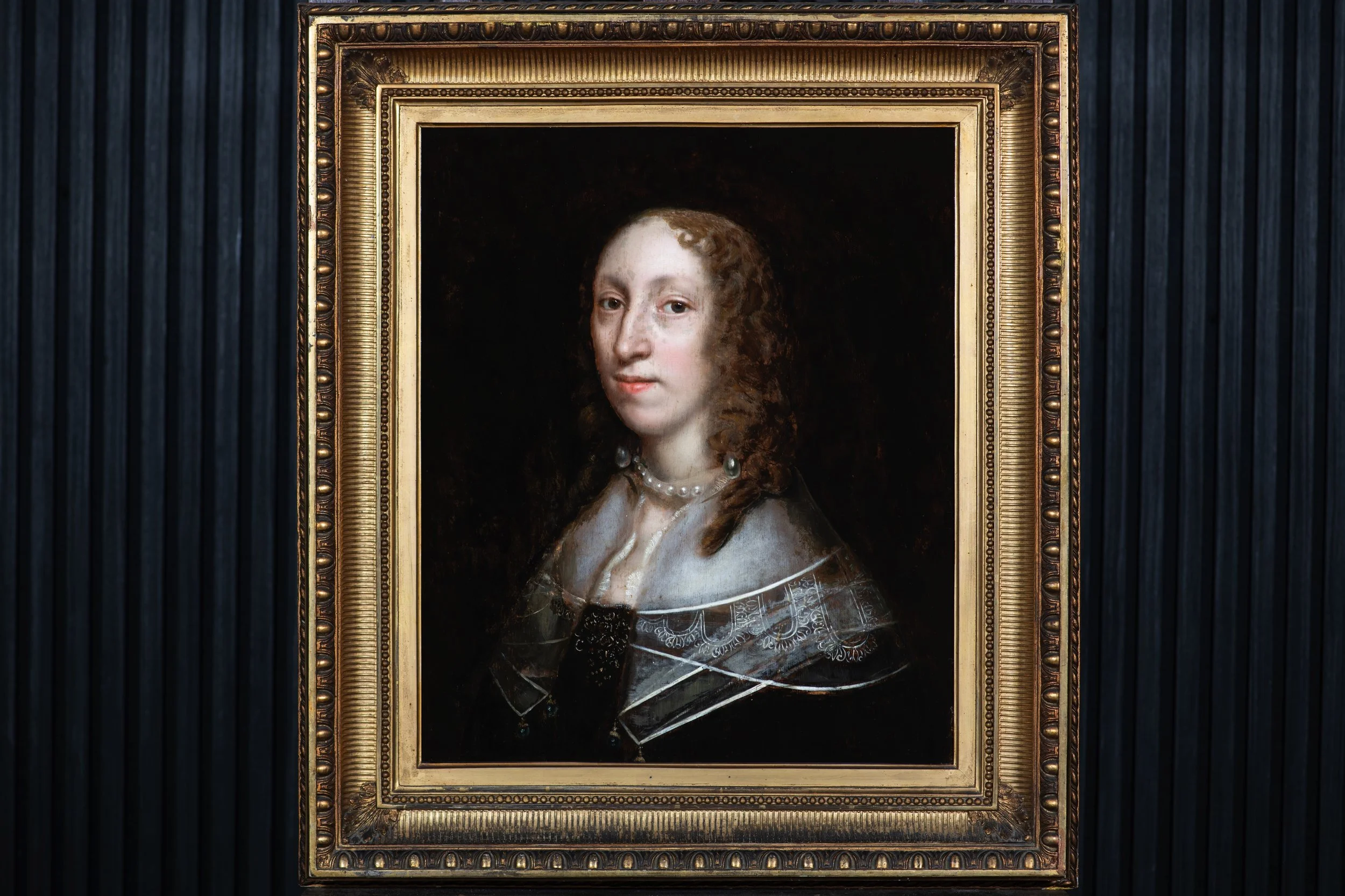 Image 1 of 17
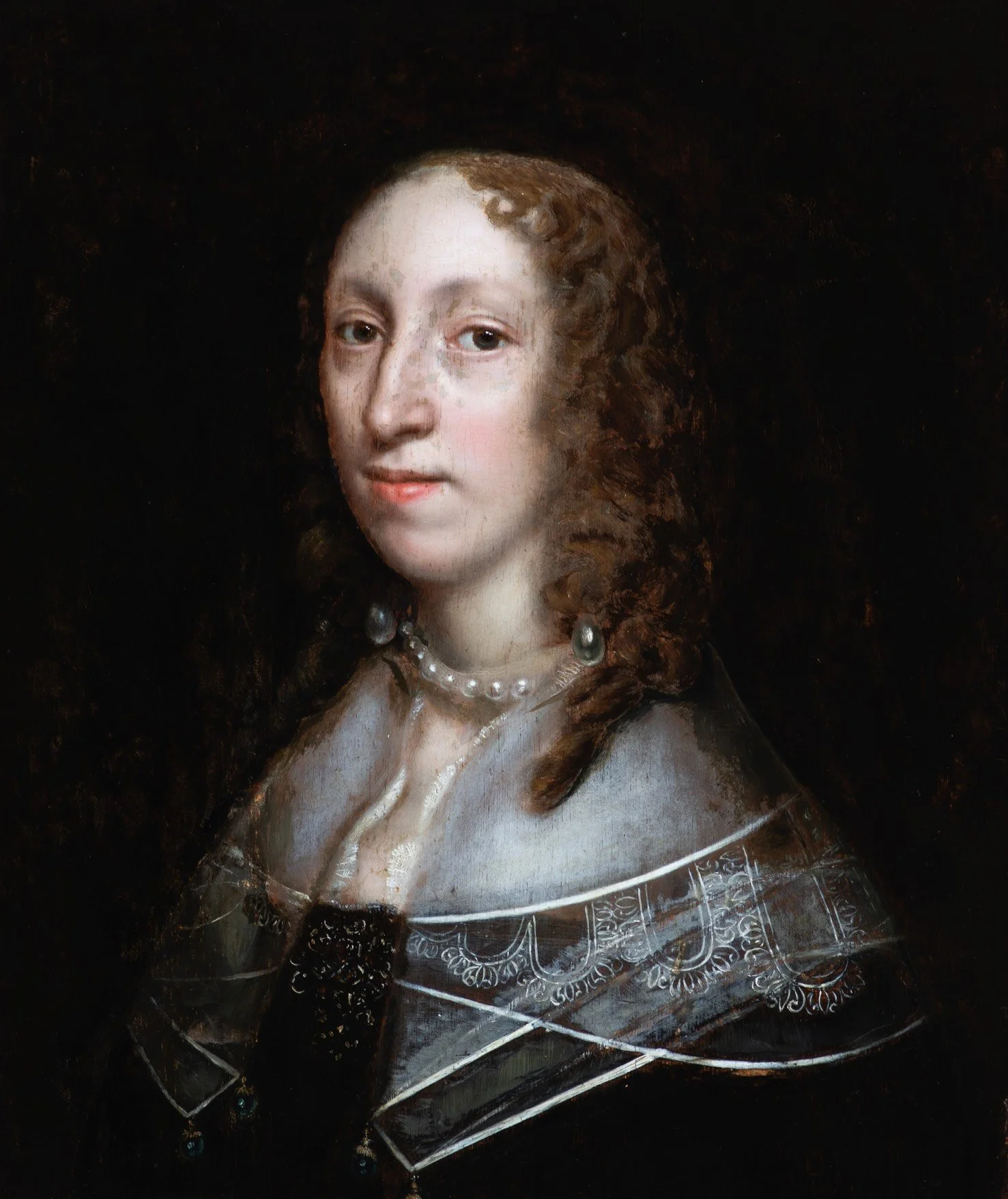 Image 2 of 17
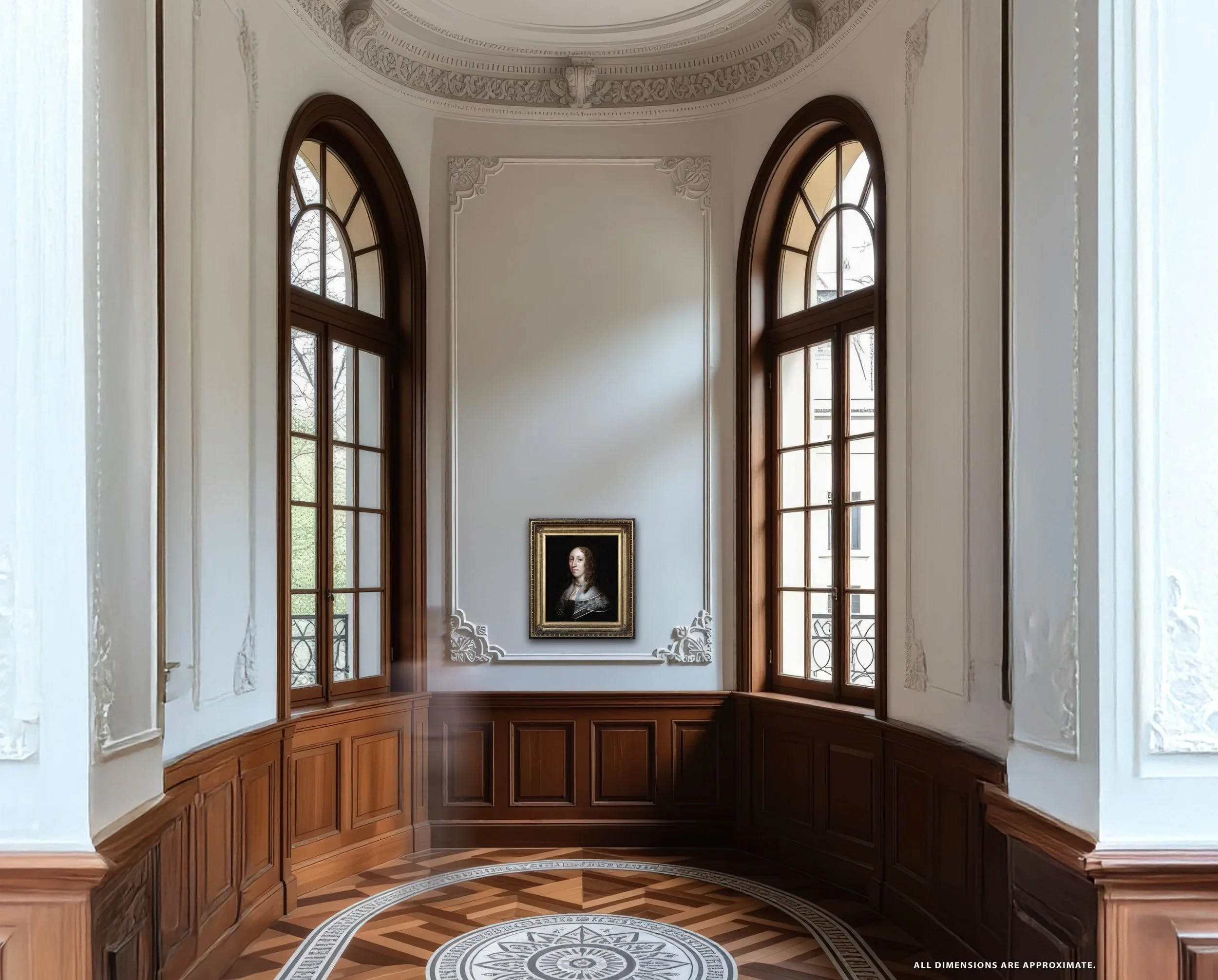 Image 3 of 17
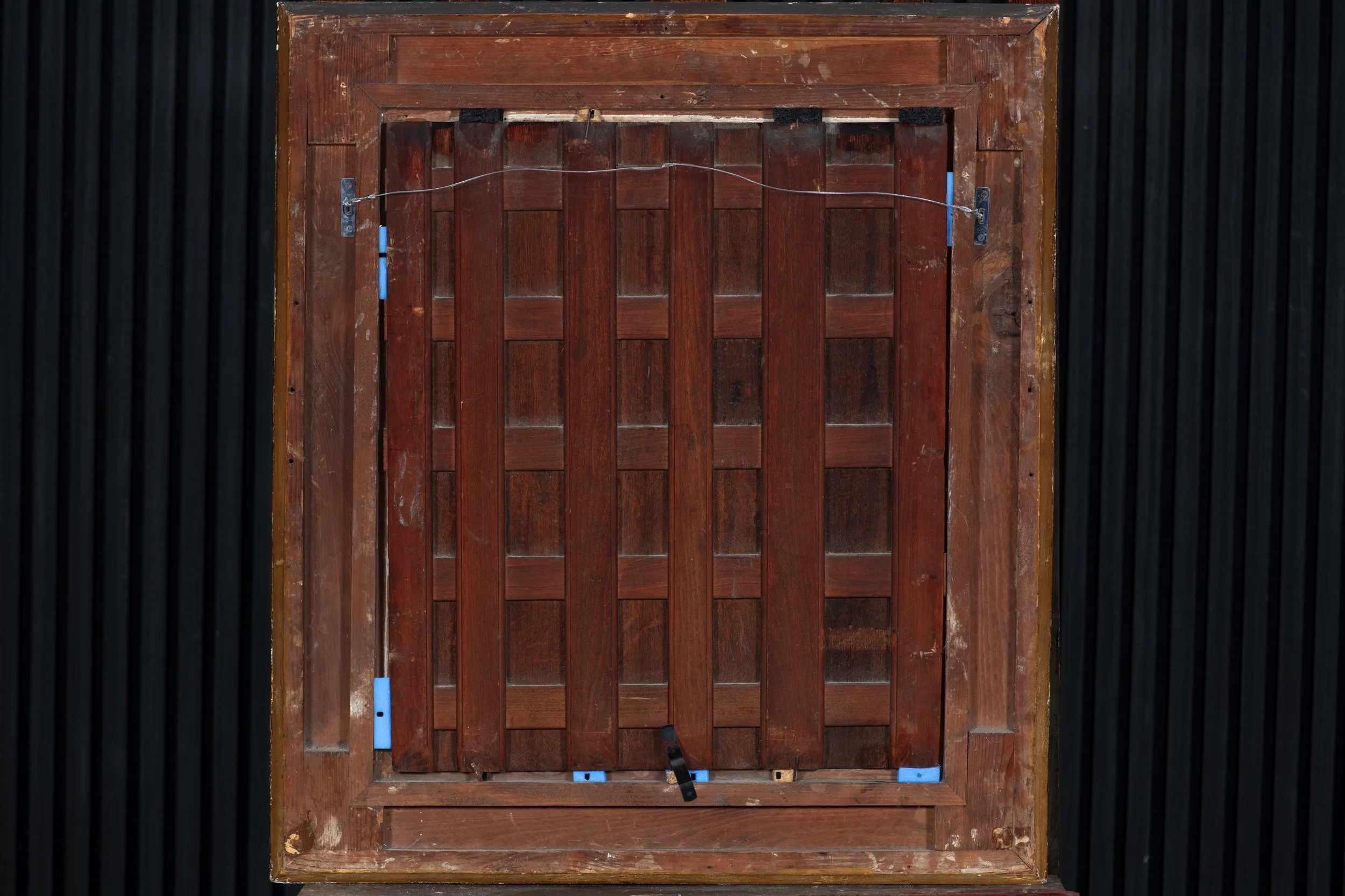 Image 4 of 17
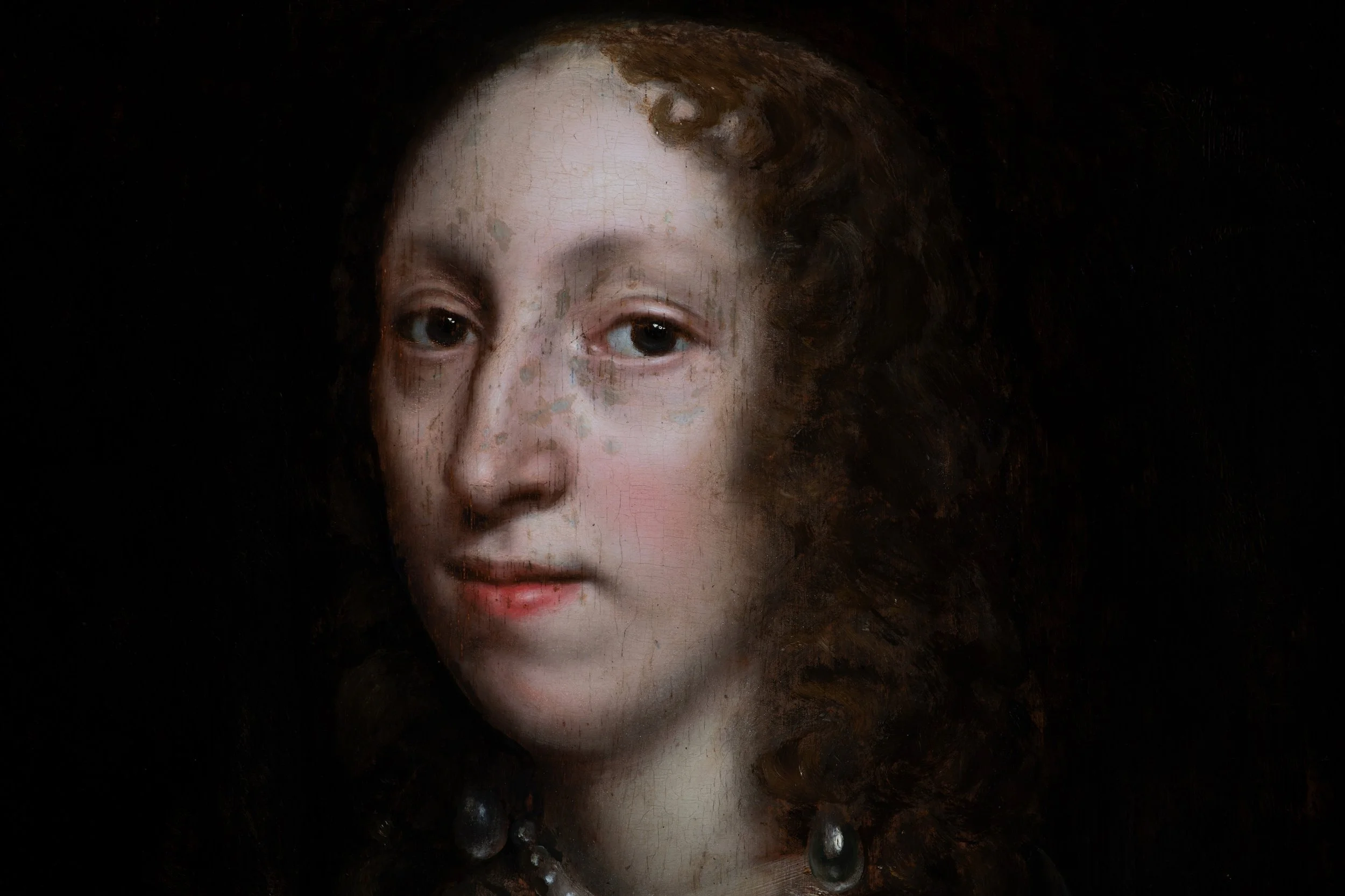 Image 5 of 17
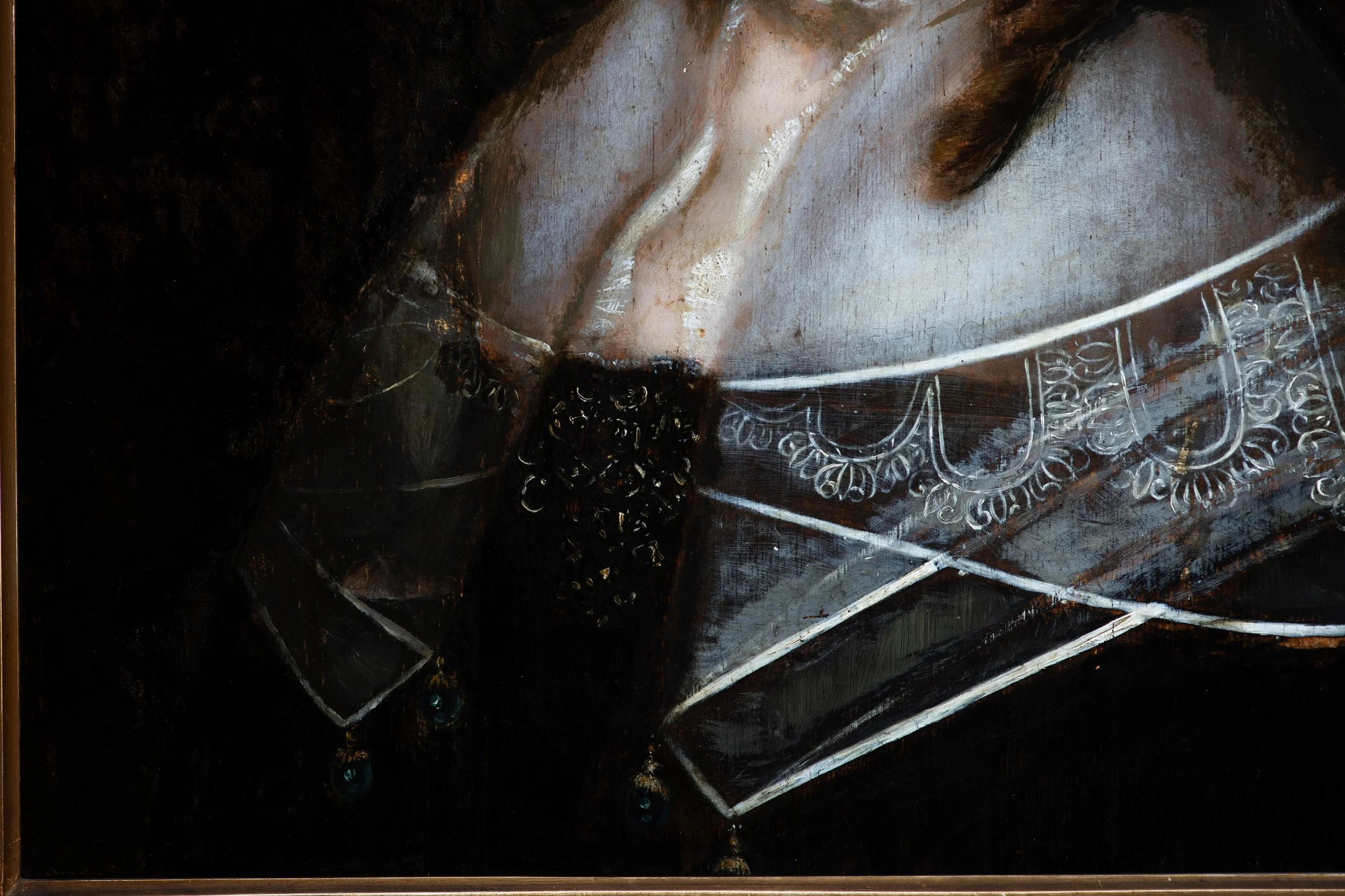 Image 6 of 17
 Image 7 of 17
 Image 8 of 17
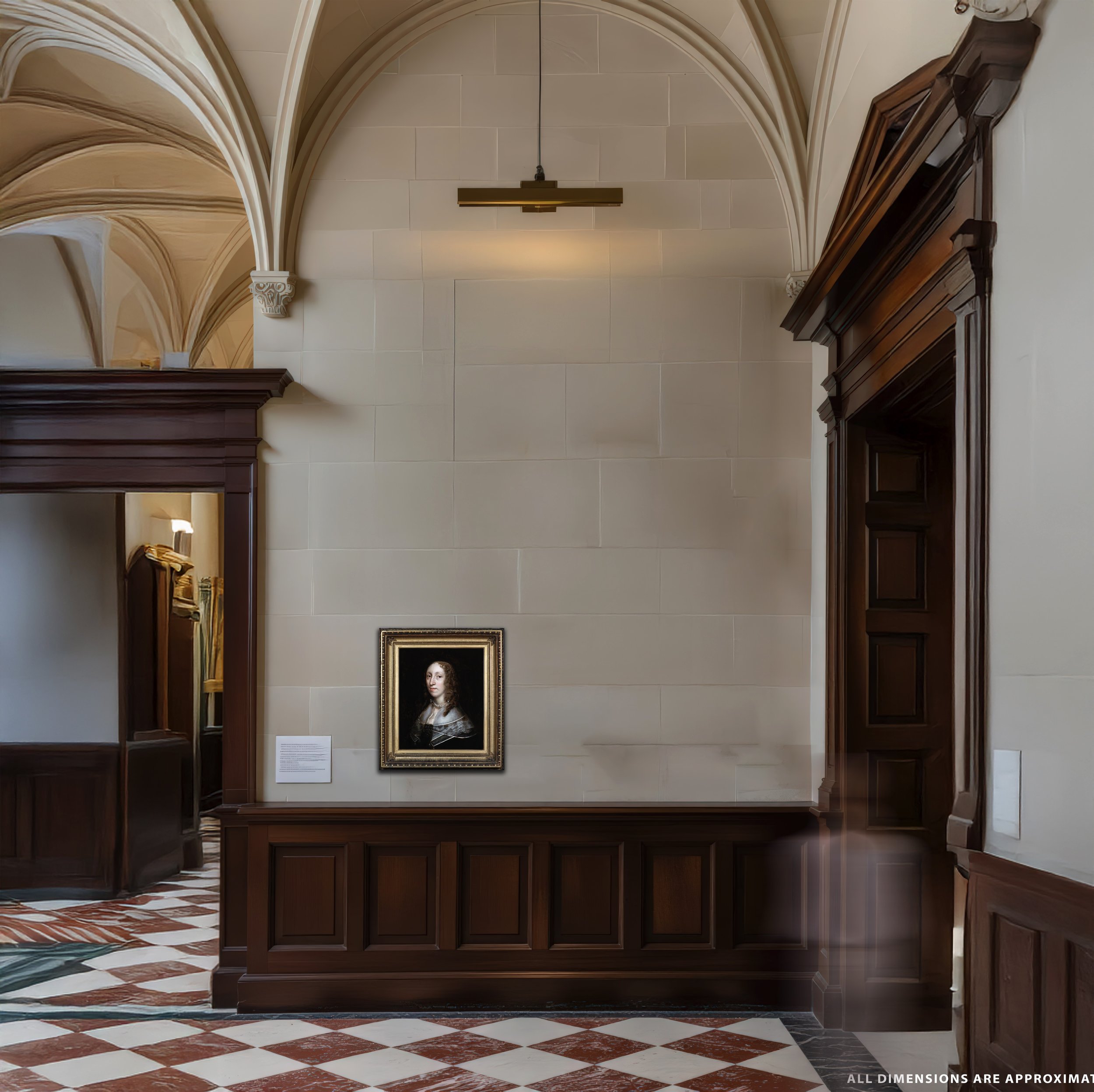 Image 9 of 17
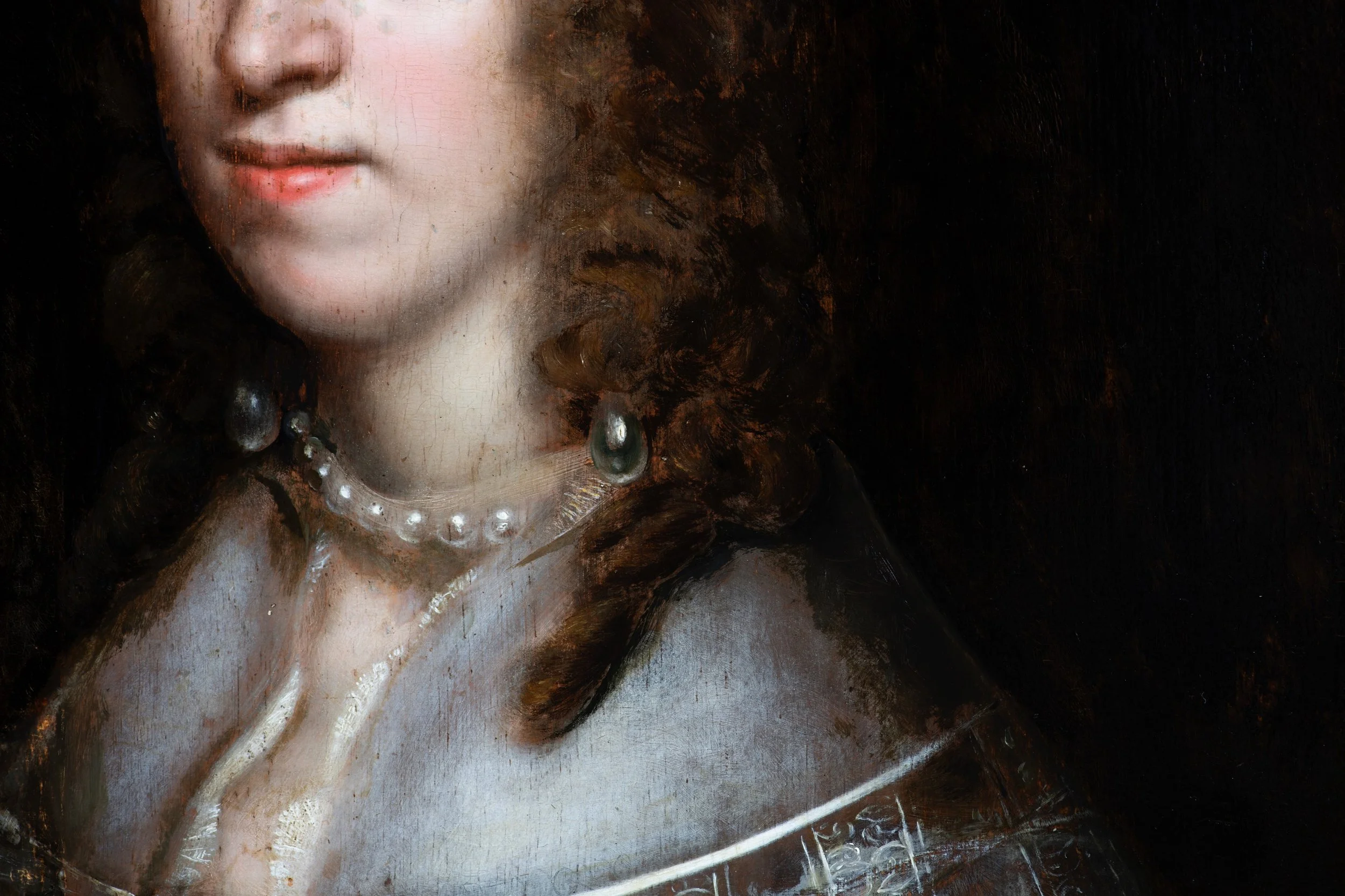 Image 10 of 17
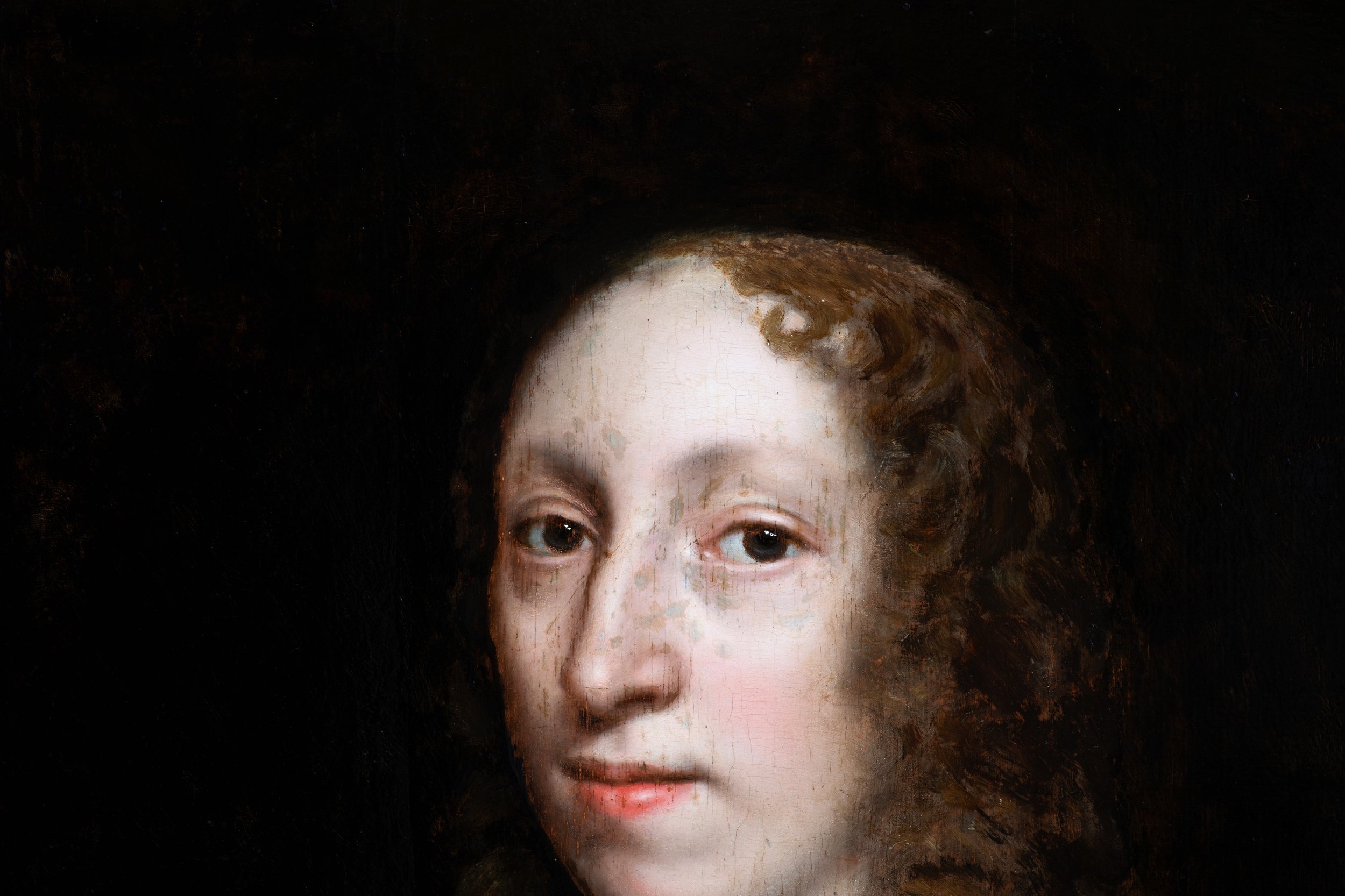 Image 11 of 17
 Image 12 of 17
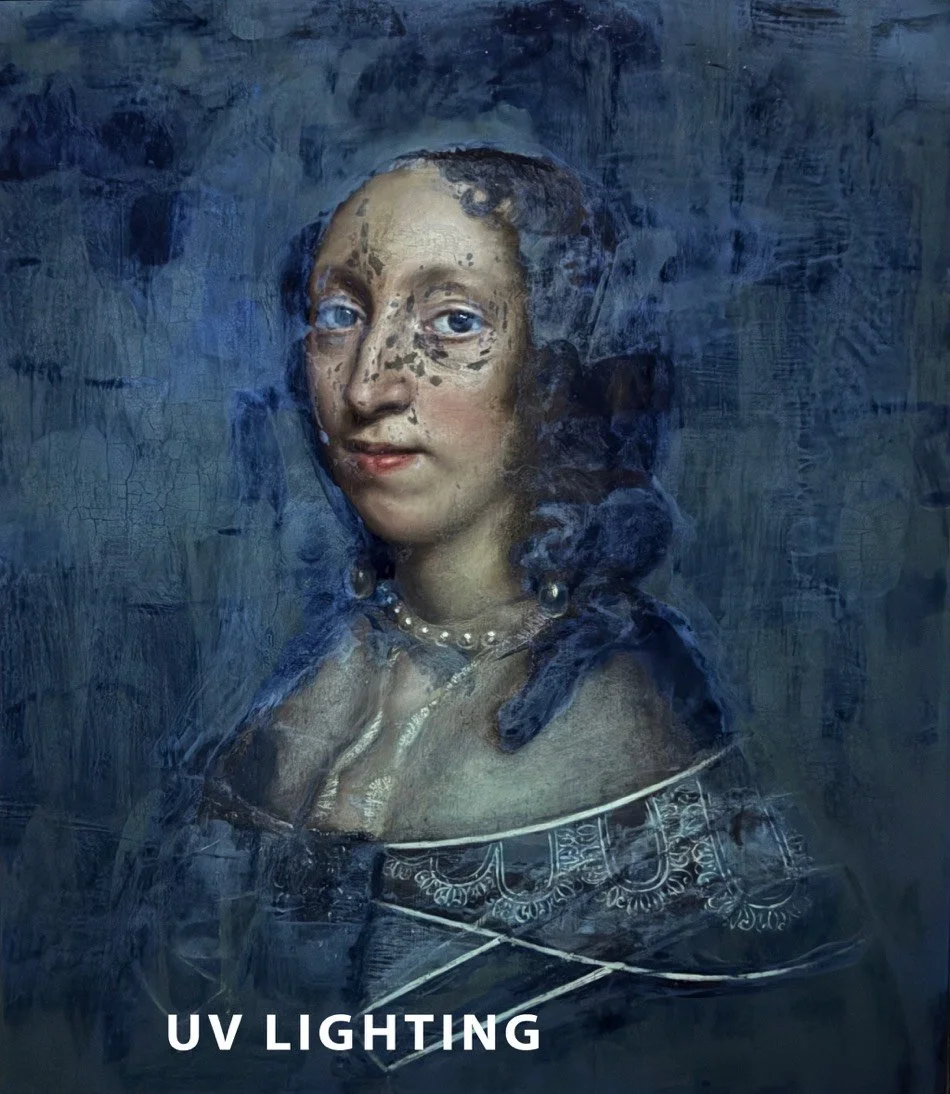 Image 13 of 17
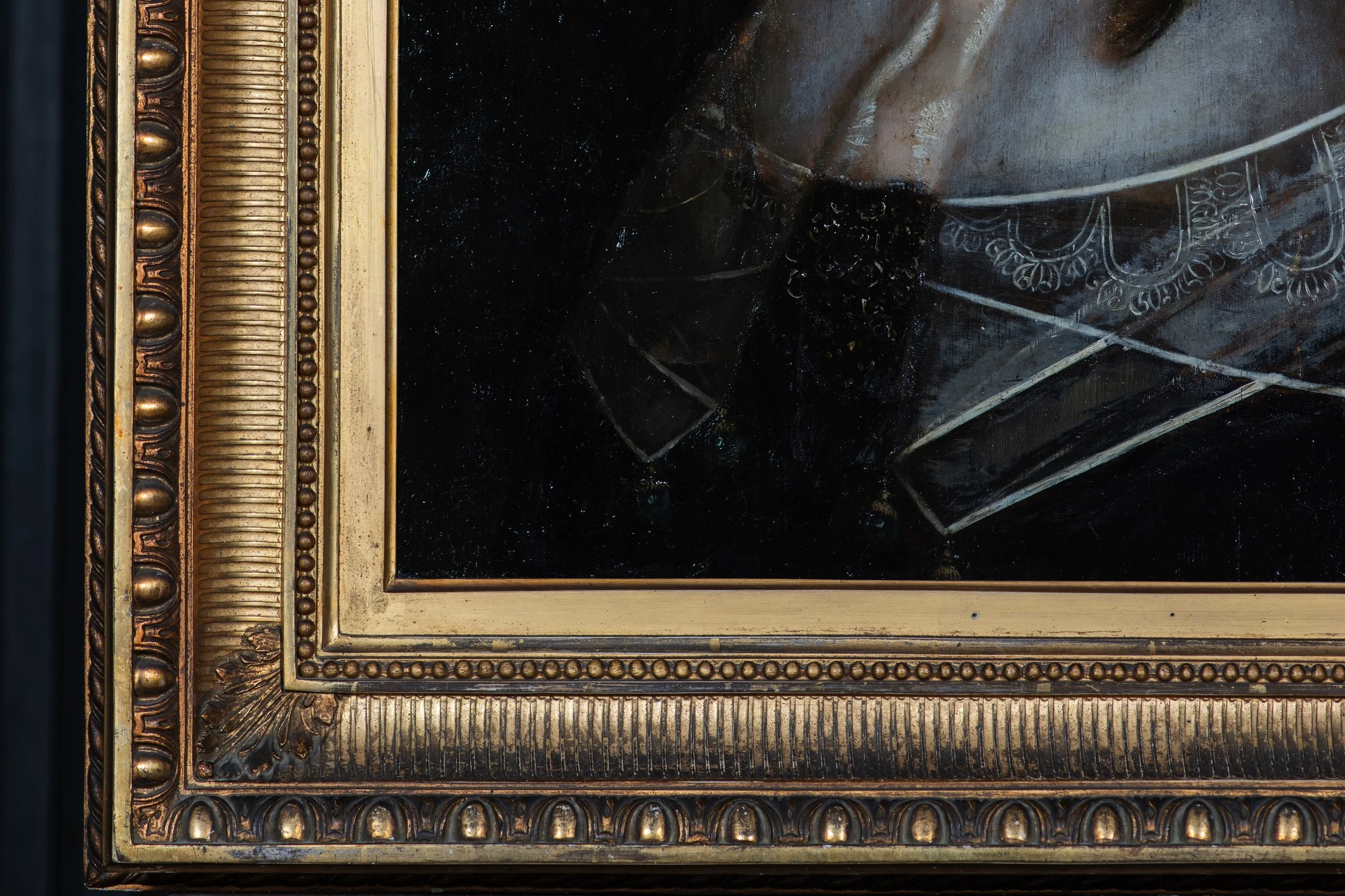 Image 14 of 17
 Image 15 of 17
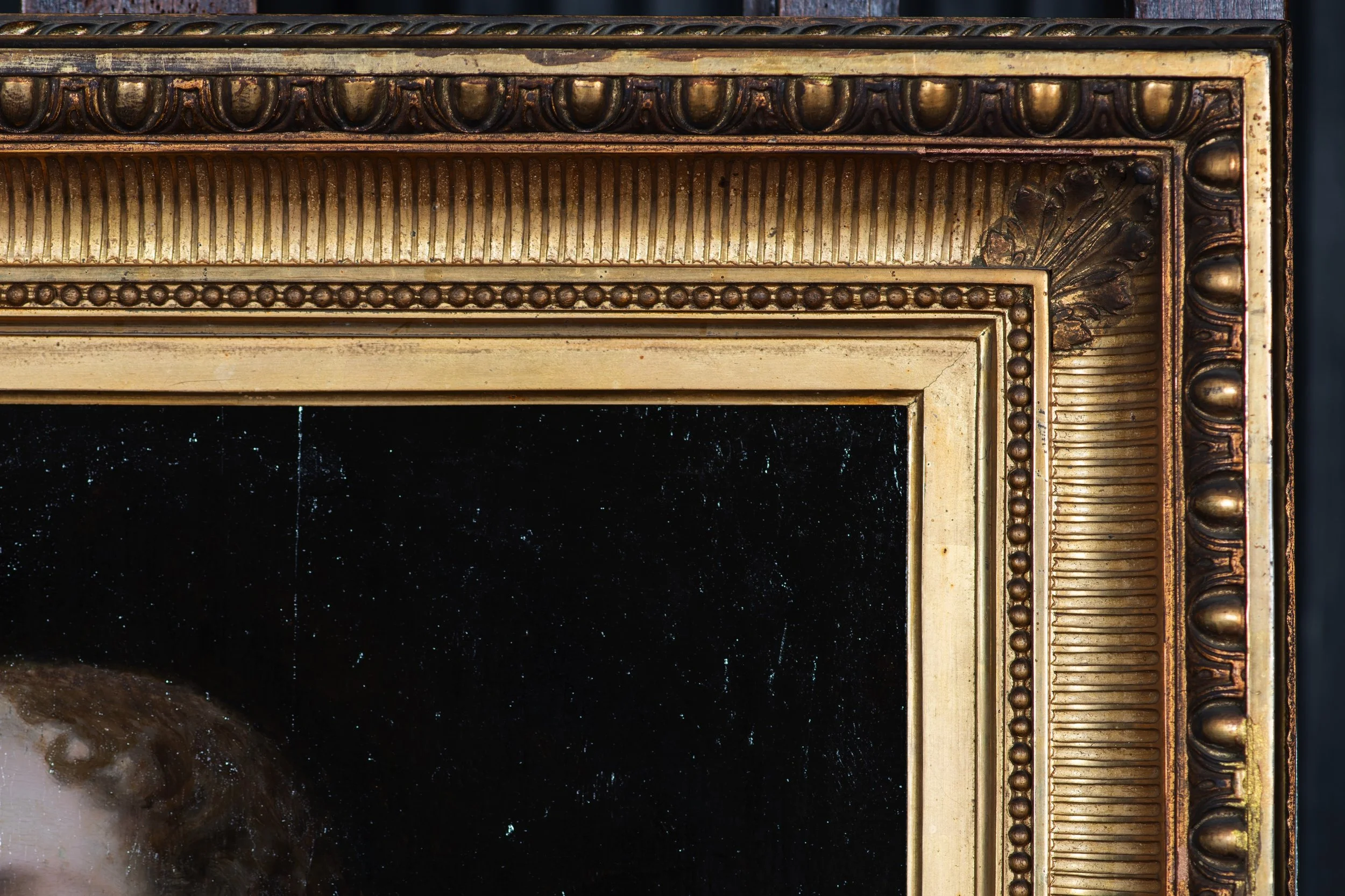 Image 16 of 17
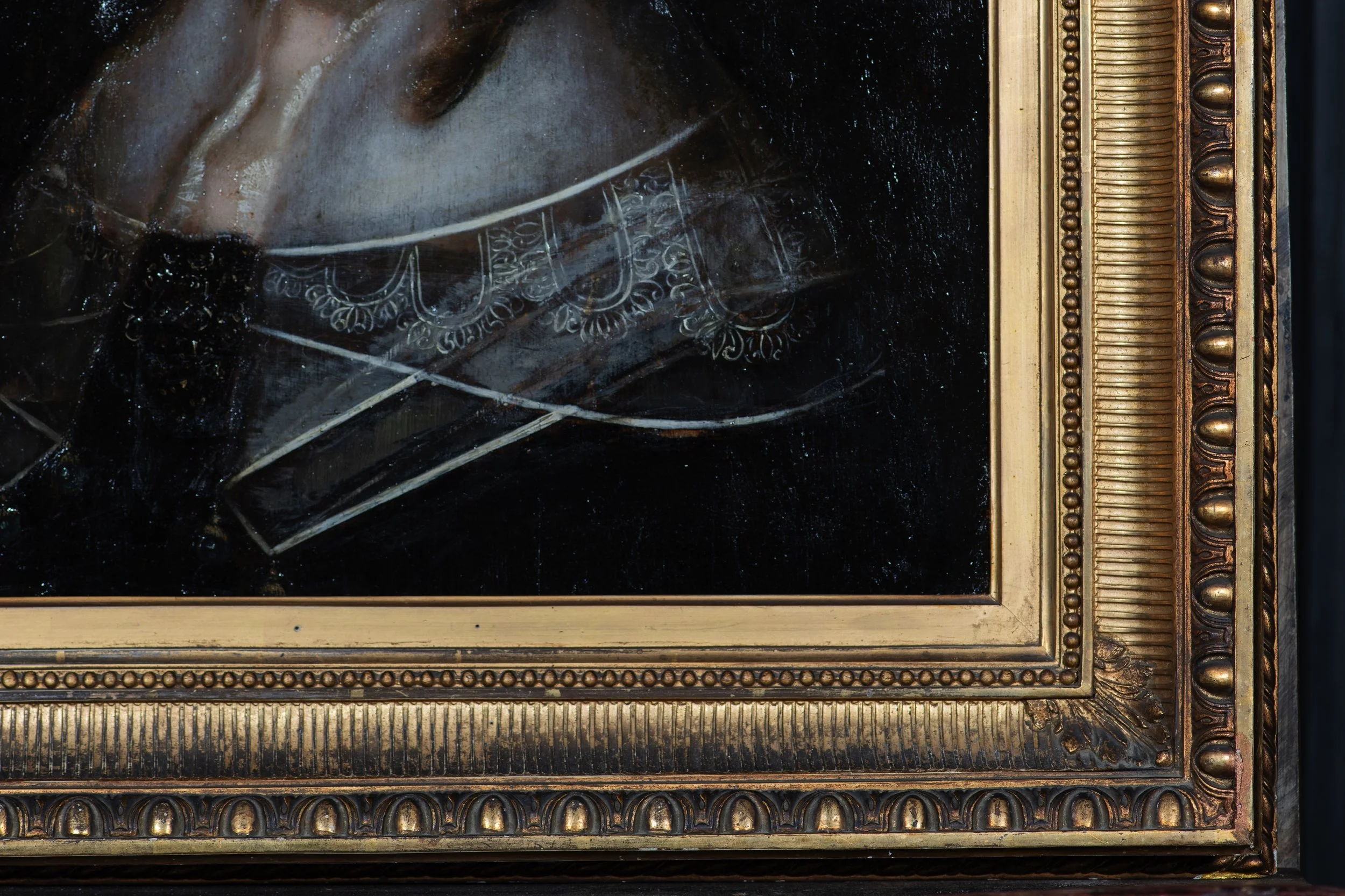 Image 17 of 17