CONTACT US
Egbert van Heemskerck (1634–1704), Circle of
Moralising Genre Scene – The Seduction of a Young Girl
Oil on canvas
Introduction
This finely rendered and morally charged genre painting aligns closely with the artistic sphere surrounding Egbert van Heemskerck, a painter renowned in the Dutch Golden Age for his lively and often satirical depictions of everyday human behaviour. The present work belongs unmistakably to that tradition: a carefully constructed scene in which seduction, vulnerability and social observation take centre stage. Within the visual culture of the late seventeenth century, such moralising narratives functioned as recognisable reflections of human conduct, where pictorial subtlety and psychological nuance were paramount.
Description of the Work
In a meticulously detailed rural setting, a young girl is shown being unexpectedly seized by a young man. Her slightly reclined posture, the mix of tension and fragility in her expression, and the outward sweep of her arm underscore her distress. The overturned basket with fruit and flowers—an emblematic motif of disrupted innocence—reinforces the narrative tension. To the right, partly concealed in the shadows, a third figure observes the encounter; this quiet witness accentuates the moral overtones of the painting and adds a narrative depth characteristic of Northern European genre art.
Technique and Use of Colour
Executed in oil on canvas, the painting employs a gently muted tonal range typical of late seventeenth-century Dutch genre painting. The artist uses an elegant palette of earth tones, cool grey-green shadows, and vivid accents such as the blue of the skirt and the warm pink of the sleeve. The brushwork demonstrates a balance between finely modelled faces and hands, and more loosely rendered passages in the landscape and background. Subtle variations in skin tones and a carefully orchestrated light source give the figures a convincing sense of volume. Certain areas show thinning of the original paint layer, with retouching visible under UV examination; these sit within a recent professional conservation treatment, including lining.
Composition and Stylistic Characteristics
The diagonal tension of the girl’s posture, the expressive folds of her garments and the contrasting interplay of light across the foreground reveal an affinity with the theatrical visual language cultivated within Heemskerck’s orbit. Although the master himself is principally known for humorous tavern scenes and satirical subjects, works circulating within his broader environment could also take the form of refined moralising narratives, shaped by psychological interaction rather than overt humour. This painting fits within that wider tradition of moralistic genre scenes, highly favoured in the Dutch Republic for their subtle commentary on desire, impropriety and the fragility of virtue. The hidden onlooker is an iconographic device that positions the viewer as a moral assessor.
The Artist and His Circle
Egbert van Heemskerck, active in Haarlem and later in London, was shaped by the Haarlem school, where humour, observation of daily life and satirical commentary were central artistic values. His oeuvre resonated among collectors who appreciated vivid genre scenes reflecting recognisable human behaviour. The stylistic parallels in brushwork, character types and thematic focus allow the present painting to be convincingly situated within the circle that followed his artistic idiom from the late seventeenth into the early eighteenth century.
Art Historical Context
The work belongs to the broader Dutch Golden Age tradition, in which genre painting flourished and moral narratives were articulated with visual sophistication. Within this context, it may be compared to national contemporaries Jan Steen, Adriaen van Ostade, Gerard ter Borch, and to international artists who likewise explored moral or psychological themes, such as William Hogarth, Antoine Watteau.
Condition and Presentation
The painting has been professionally restored and lined. Some passages show thin paint, with isolated retouchings visible under UV light. Overall, the surface is stable and coherent, with the original paint structure carefully preserved. The work is presented in a high-quality, museum-grade Baroque gilt frame, which complements its historical character and enhances its visual impact.
Conclusion
This refined and psychologically resonant genre scene from the circle of Egbert van Heemskerck stands as an evocative example of Dutch moralising painting from the Golden Age. With its harmonious palette, narrative depth and masterful characterisation of human behaviour, it unites artistic merit with cultural significance. It is a compelling and distinguished work, perfectly suited to a premium auction context.
CONTACT US
Egbert van Heemskerck (1634–1704), Circle of
Moralising Genre Scene – The Seduction of a Young Girl
Oil on canvas
Introduction
This finely rendered and morally charged genre painting aligns closely with the artistic sphere surrounding Egbert van Heemskerck, a painter renowned in the Dutch Golden Age for his lively and often satirical depictions of everyday human behaviour. The present work belongs unmistakably to that tradition: a carefully constructed scene in which seduction, vulnerability and social observation take centre stage. Within the visual culture of the late seventeenth century, such moralising narratives functioned as recognisable reflections of human conduct, where pictorial subtlety and psychological nuance were paramount.
Description of the Work
In a meticulously detailed rural setting, a young girl is shown being unexpectedly seized by a young man. Her slightly reclined posture, the mix of tension and fragility in her expression, and the outward sweep of her arm underscore her distress. The overturned basket with fruit and flowers—an emblematic motif of disrupted innocence—reinforces the narrative tension. To the right, partly concealed in the shadows, a third figure observes the encounter; this quiet witness accentuates the moral overtones of the painting and adds a narrative depth characteristic of Northern European genre art.
Technique and Use of Colour
Executed in oil on canvas, the painting employs a gently muted tonal range typical of late seventeenth-century Dutch genre painting. The artist uses an elegant palette of earth tones, cool grey-green shadows, and vivid accents such as the blue of the skirt and the warm pink of the sleeve. The brushwork demonstrates a balance between finely modelled faces and hands, and more loosely rendered passages in the landscape and background. Subtle variations in skin tones and a carefully orchestrated light source give the figures a convincing sense of volume. Certain areas show thinning of the original paint layer, with retouching visible under UV examination; these sit within a recent professional conservation treatment, including lining.
Composition and Stylistic Characteristics
The diagonal tension of the girl’s posture, the expressive folds of her garments and the contrasting interplay of light across the foreground reveal an affinity with the theatrical visual language cultivated within Heemskerck’s orbit. Although the master himself is principally known for humorous tavern scenes and satirical subjects, works circulating within his broader environment could also take the form of refined moralising narratives, shaped by psychological interaction rather than overt humour. This painting fits within that wider tradition of moralistic genre scenes, highly favoured in the Dutch Republic for their subtle commentary on desire, impropriety and the fragility of virtue. The hidden onlooker is an iconographic device that positions the viewer as a moral assessor.
The Artist and His Circle
Egbert van Heemskerck, active in Haarlem and later in London, was shaped by the Haarlem school, where humour, observation of daily life and satirical commentary were central artistic values. His oeuvre resonated among collectors who appreciated vivid genre scenes reflecting recognisable human behaviour. The stylistic parallels in brushwork, character types and thematic focus allow the present painting to be convincingly situated within the circle that followed his artistic idiom from the late seventeenth into the early eighteenth century.
Art Historical Context
The work belongs to the broader Dutch Golden Age tradition, in which genre painting flourished and moral narratives were articulated with visual sophistication. Within this context, it may be compared to national contemporaries Jan Steen, Adriaen van Ostade, Gerard ter Borch, and to international artists who likewise explored moral or psychological themes, such as William Hogarth, Antoine Watteau.
Condition and Presentation
The painting has been professionally restored and lined. Some passages show thin paint, with isolated retouchings visible under UV light. Overall, the surface is stable and coherent, with the original paint structure carefully preserved. The work is presented in a high-quality, museum-grade Baroque gilt frame, which complements its historical character and enhances its visual impact.
Conclusion
This refined and psychologically resonant genre scene from the circle of Egbert van Heemskerck stands as an evocative example of Dutch moralising painting from the Golden Age. With its harmonious palette, narrative depth and masterful characterisation of human behaviour, it unites artistic merit with cultural significance. It is a compelling and distinguished work, perfectly suited to a premium auction context.

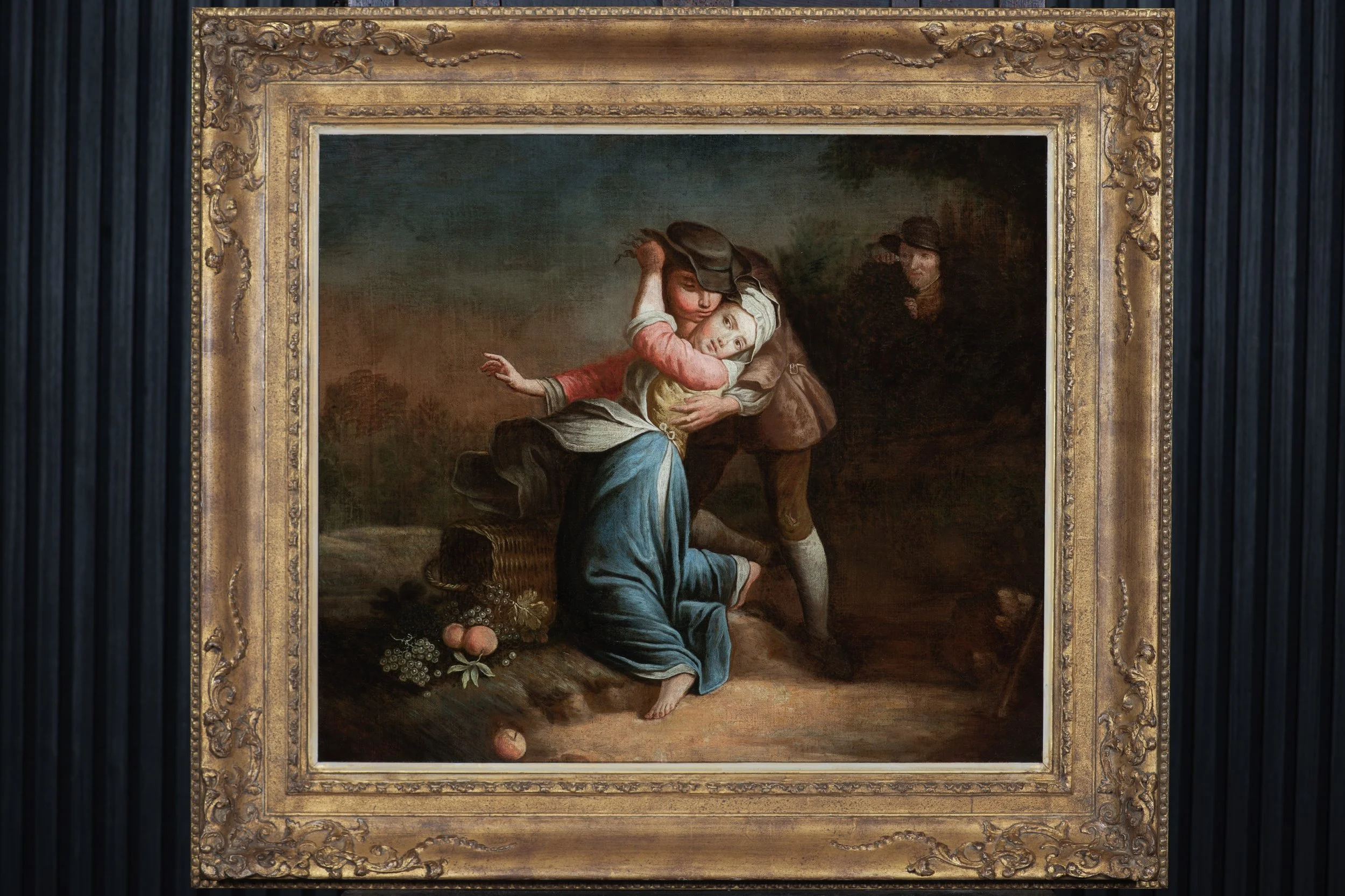 Image 1 of 25
 Image 2 of 25
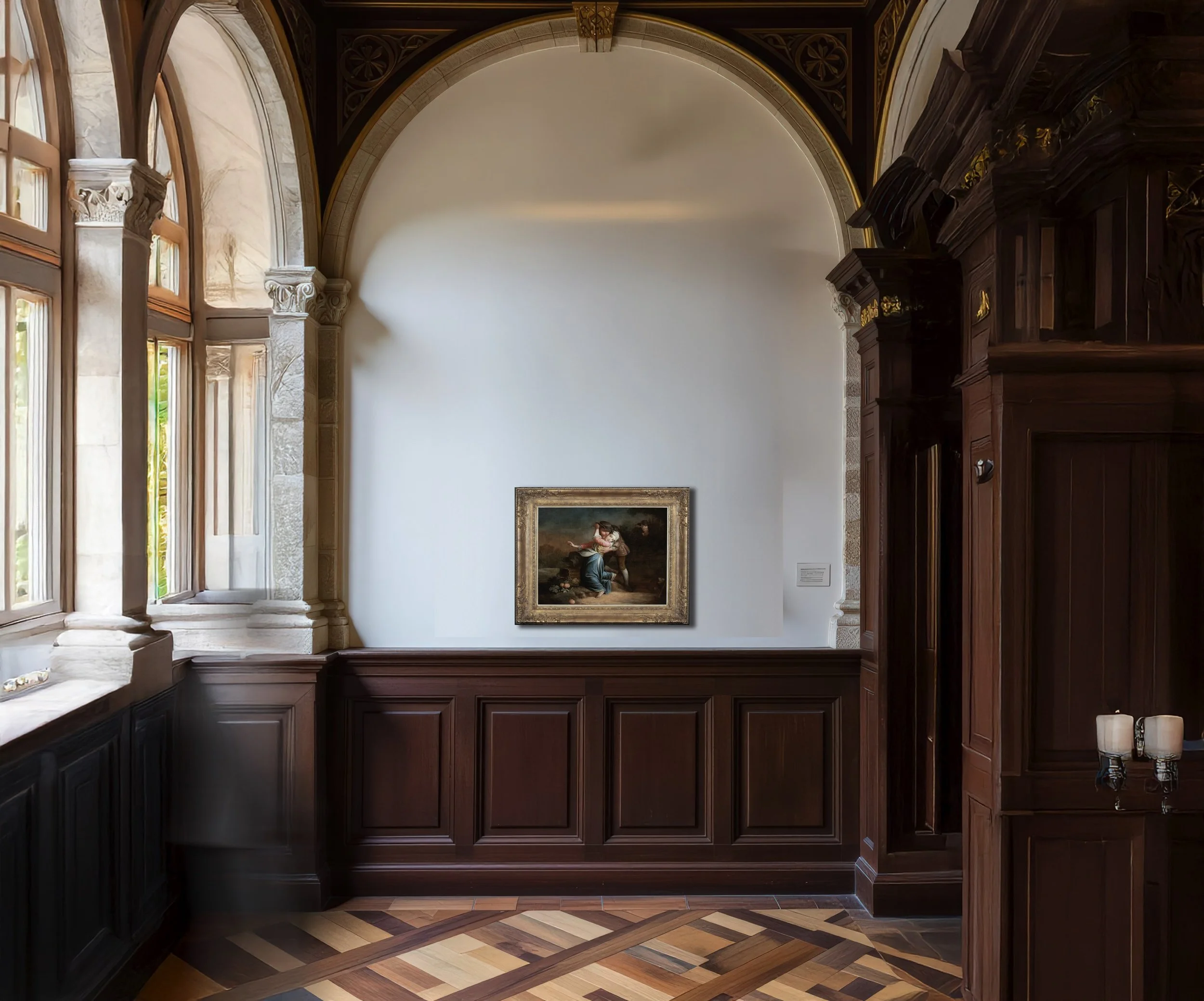 Image 3 of 25
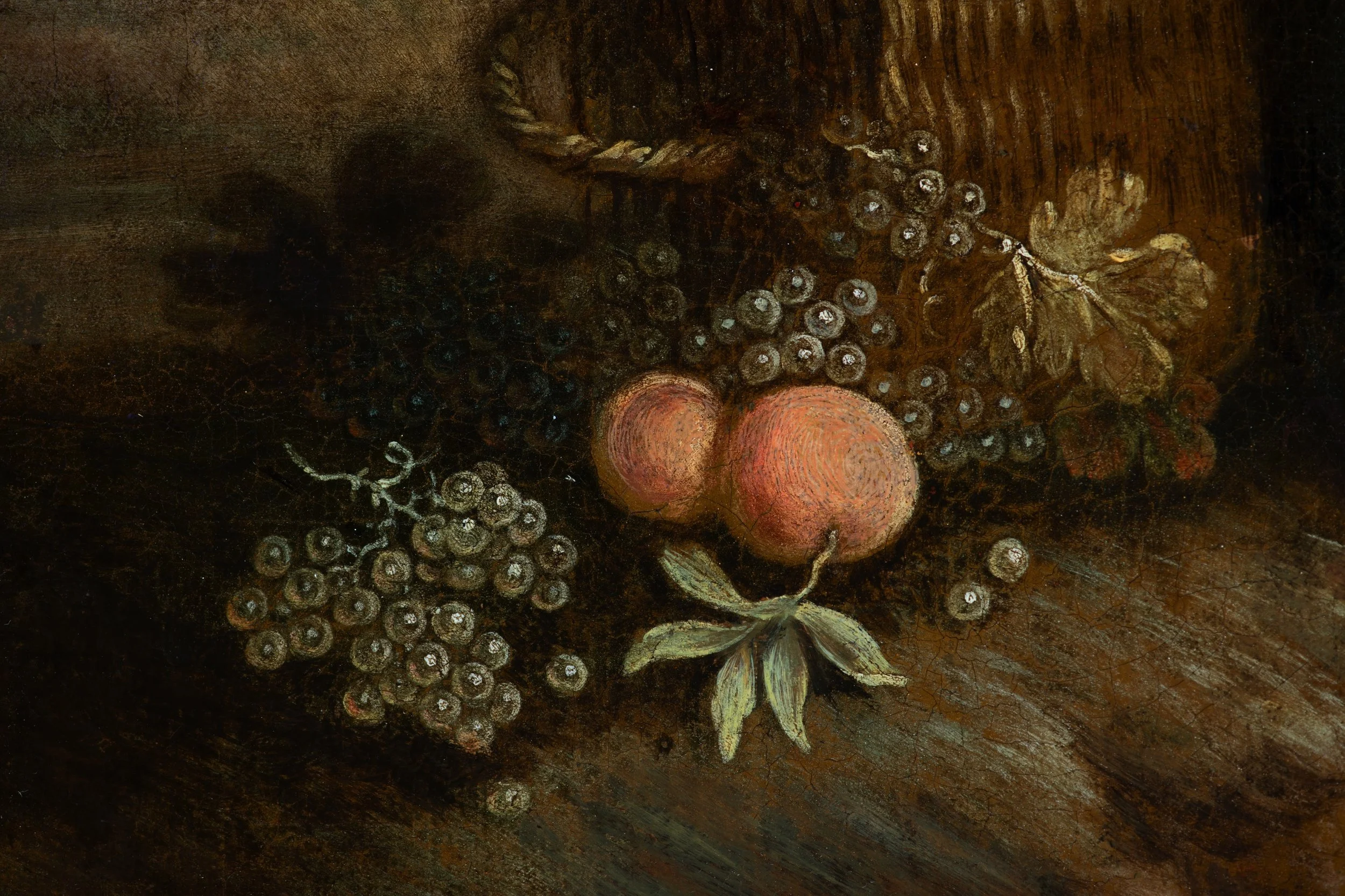 Image 4 of 25
 Image 5 of 25
 Image 6 of 25
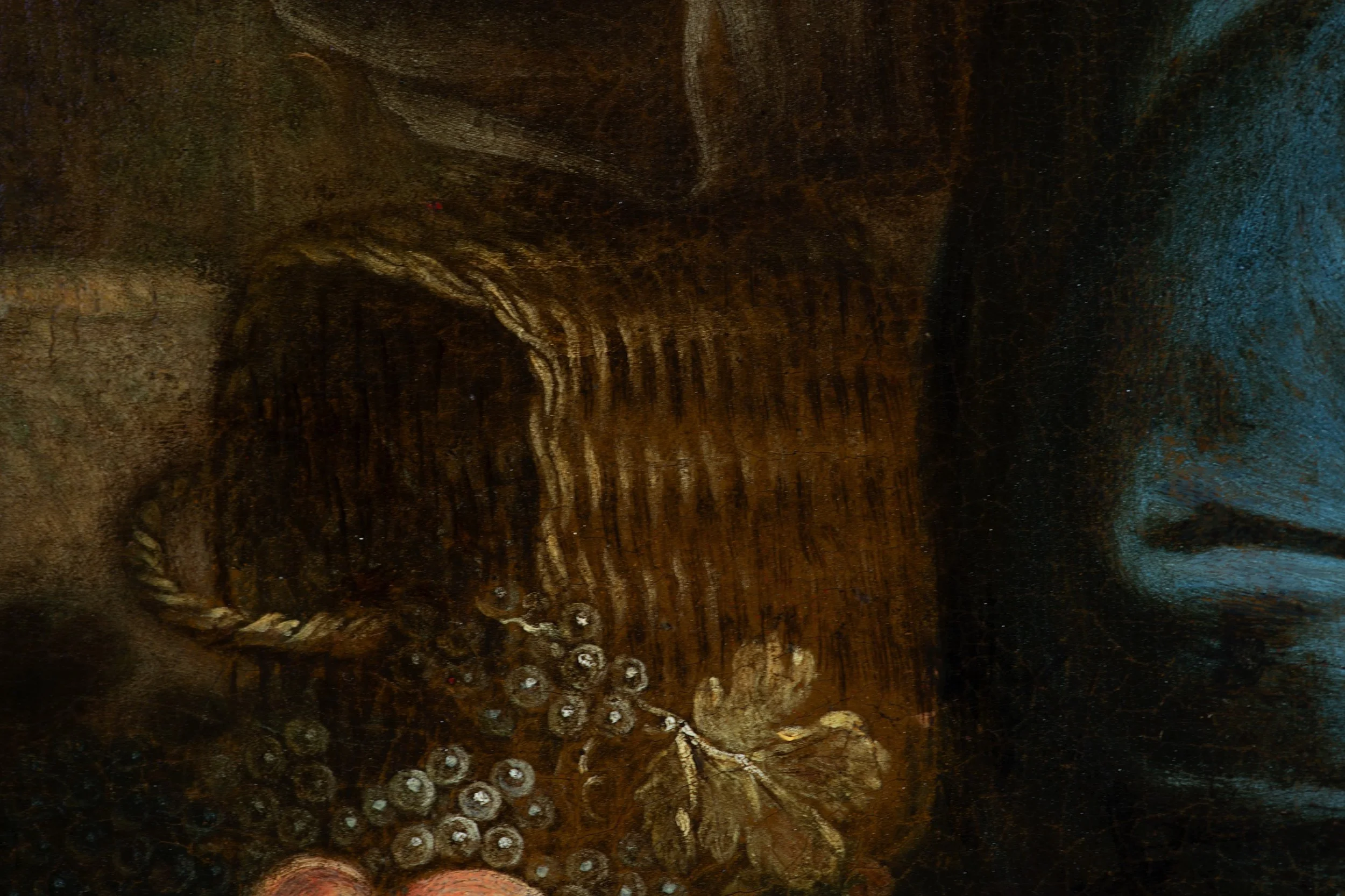 Image 7 of 25
 Image 8 of 25
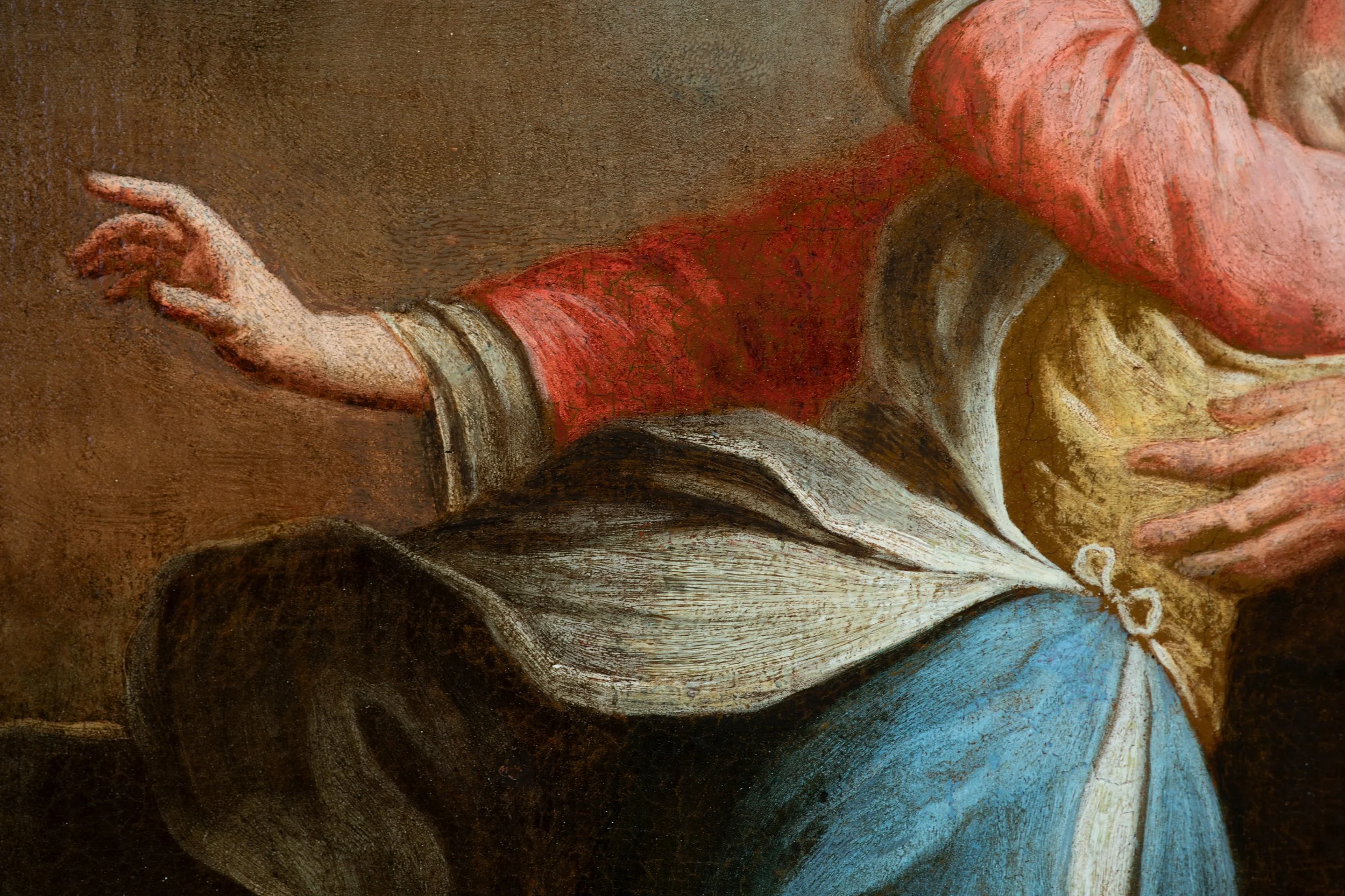 Image 9 of 25
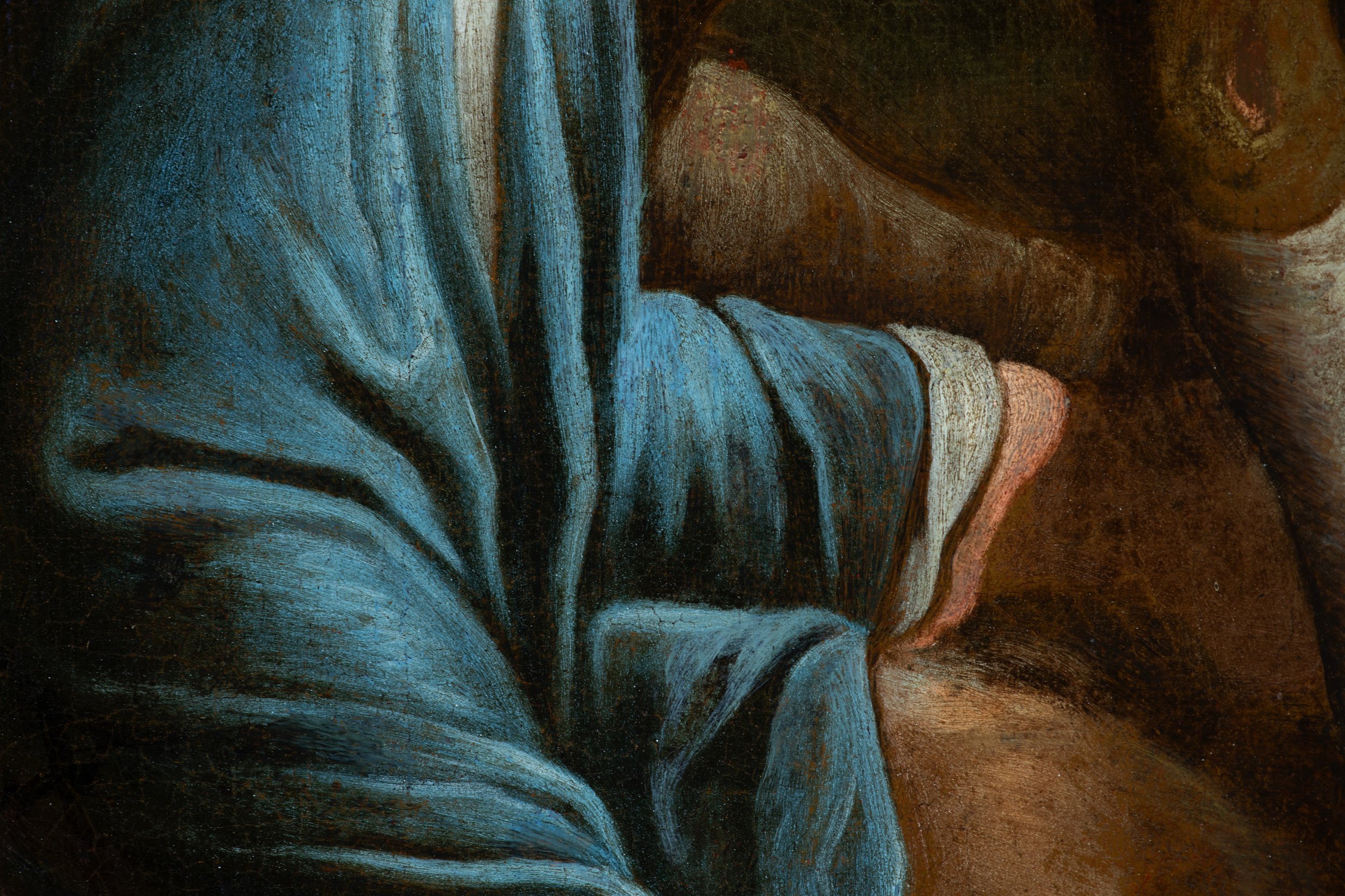 Image 10 of 25
 Image 11 of 25
 Image 12 of 25
 Image 13 of 25
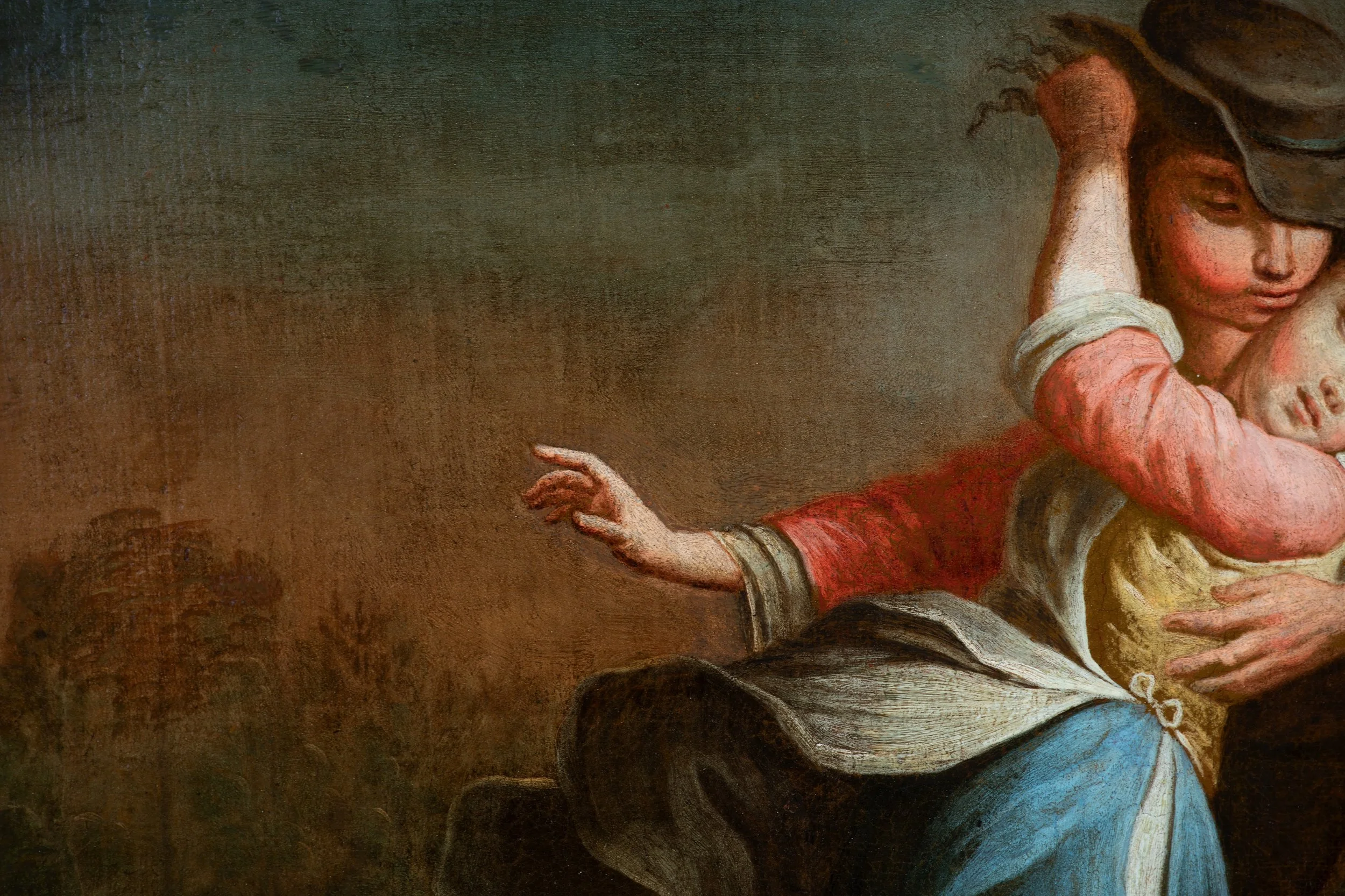 Image 14 of 25
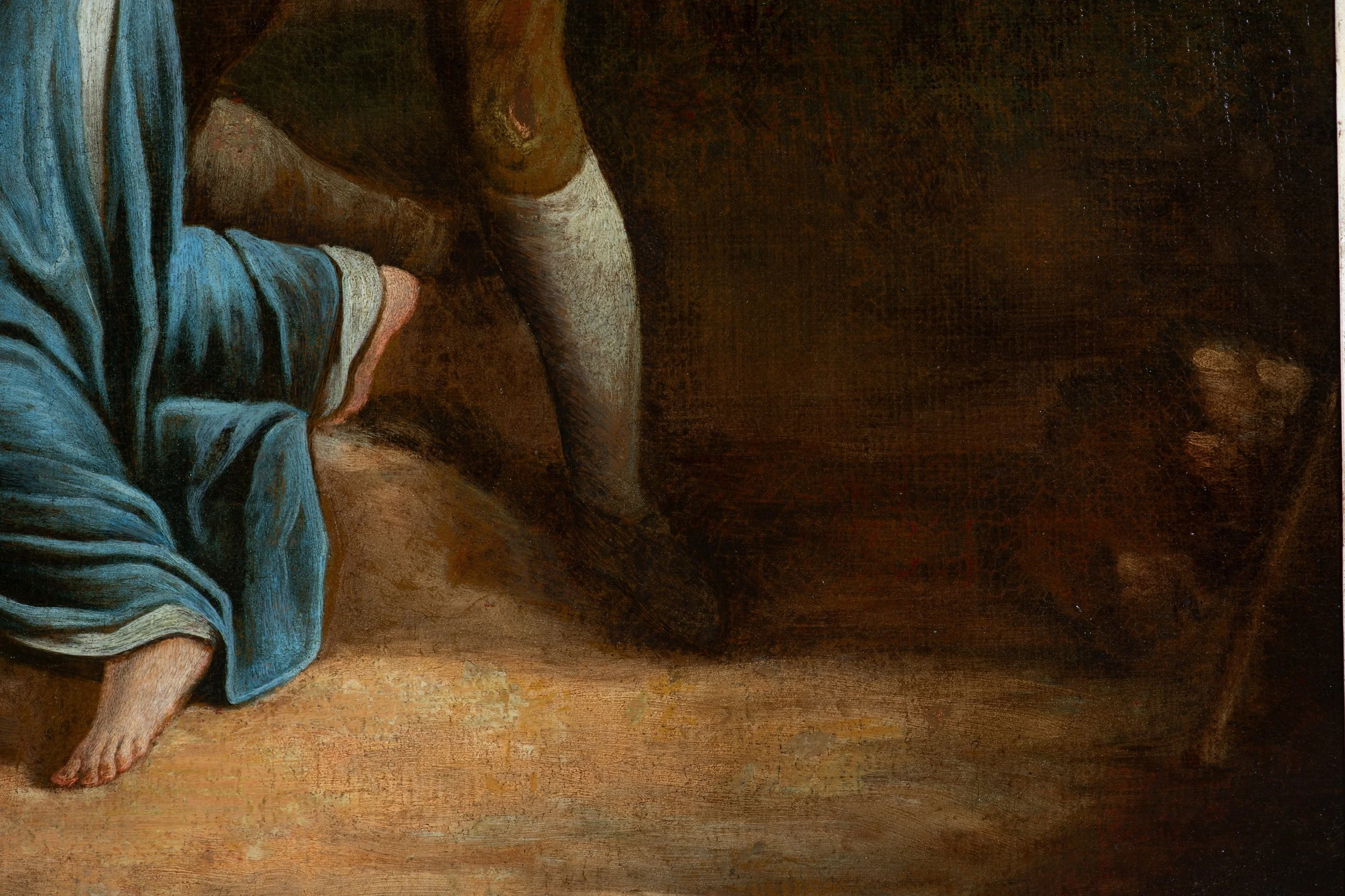 Image 15 of 25
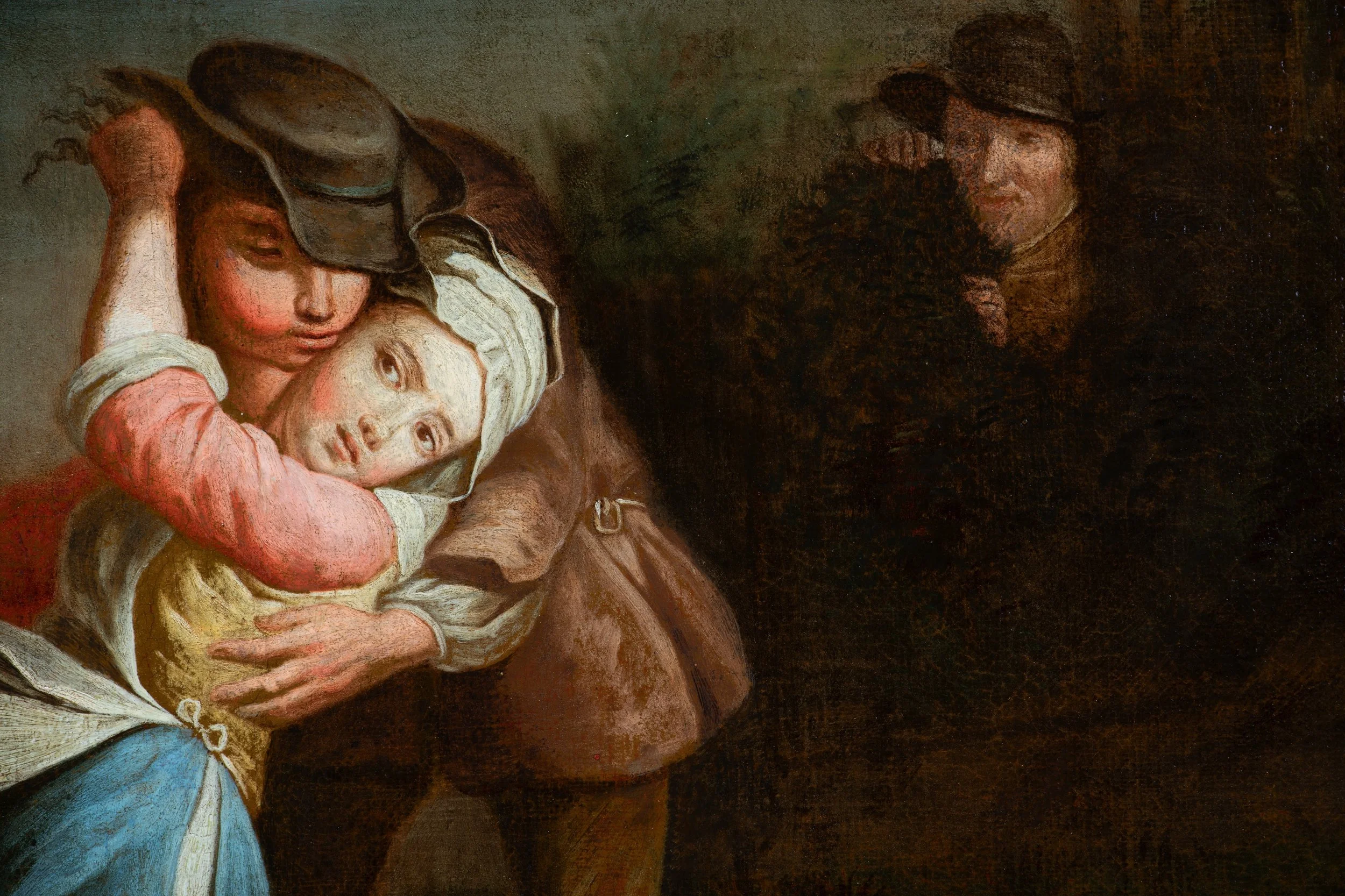 Image 16 of 25
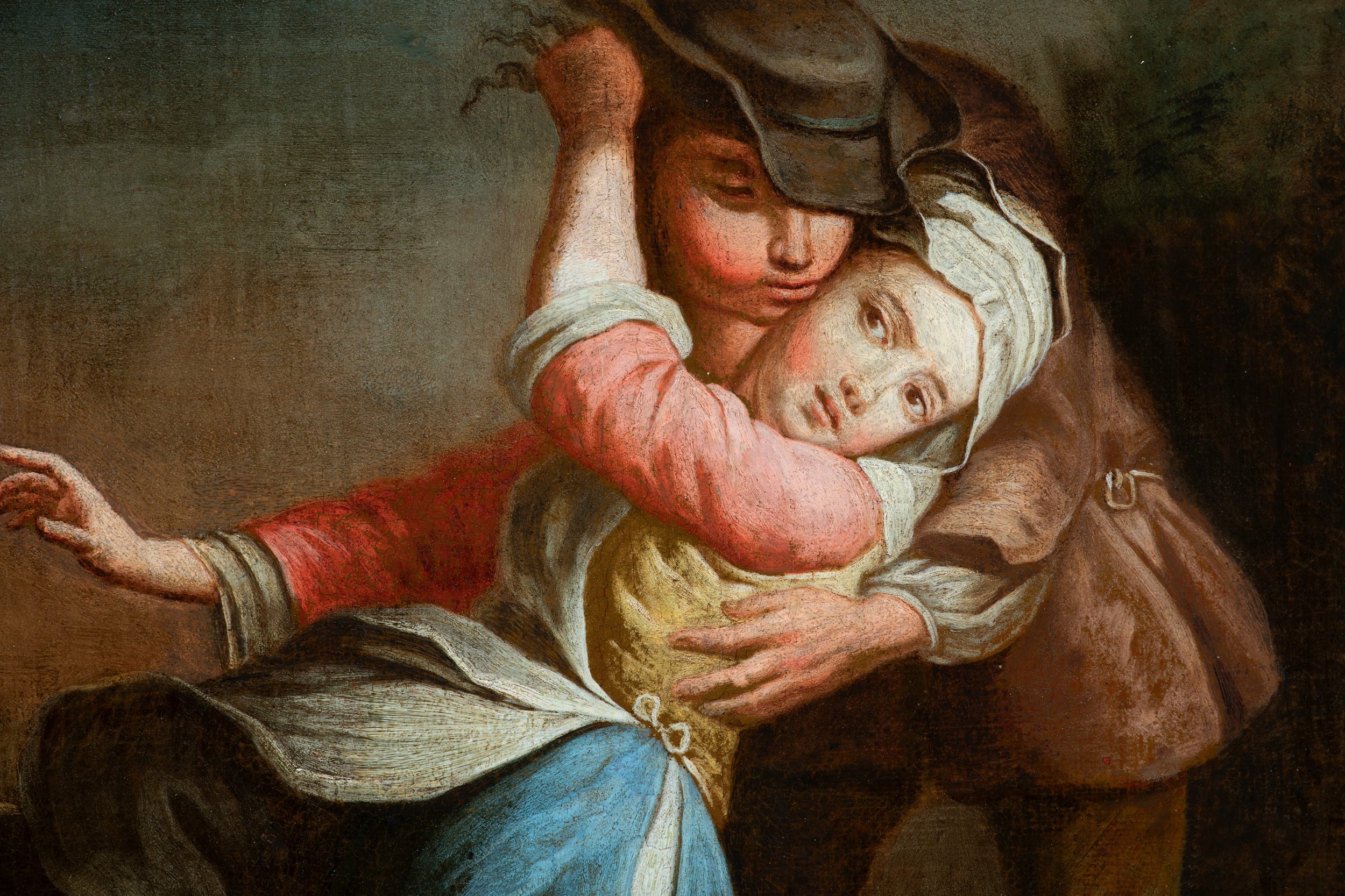 Image 17 of 25
 Image 18 of 25
 Image 19 of 25
 Image 20 of 25
 Image 21 of 25
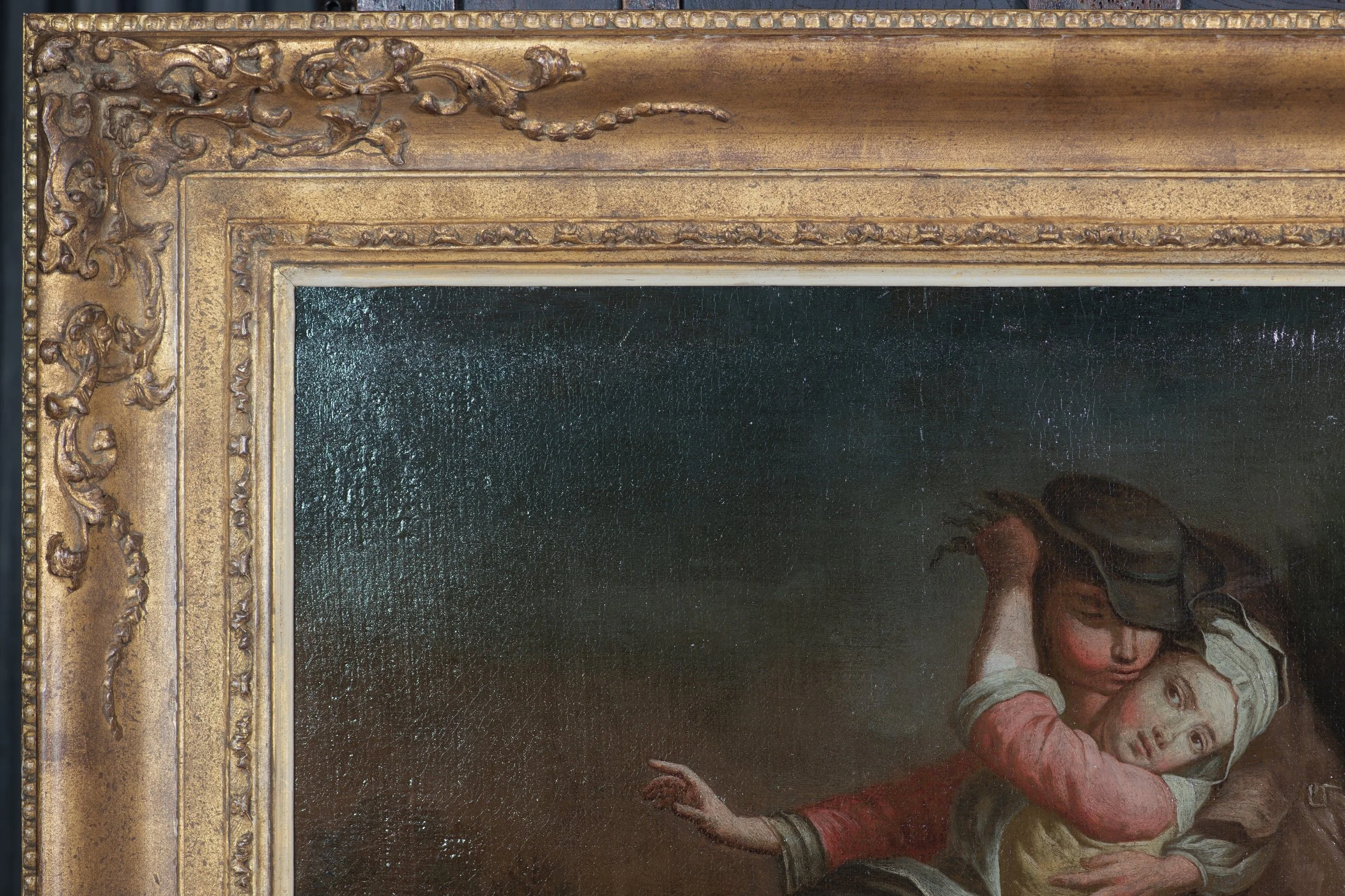 Image 22 of 25
 Image 23 of 25
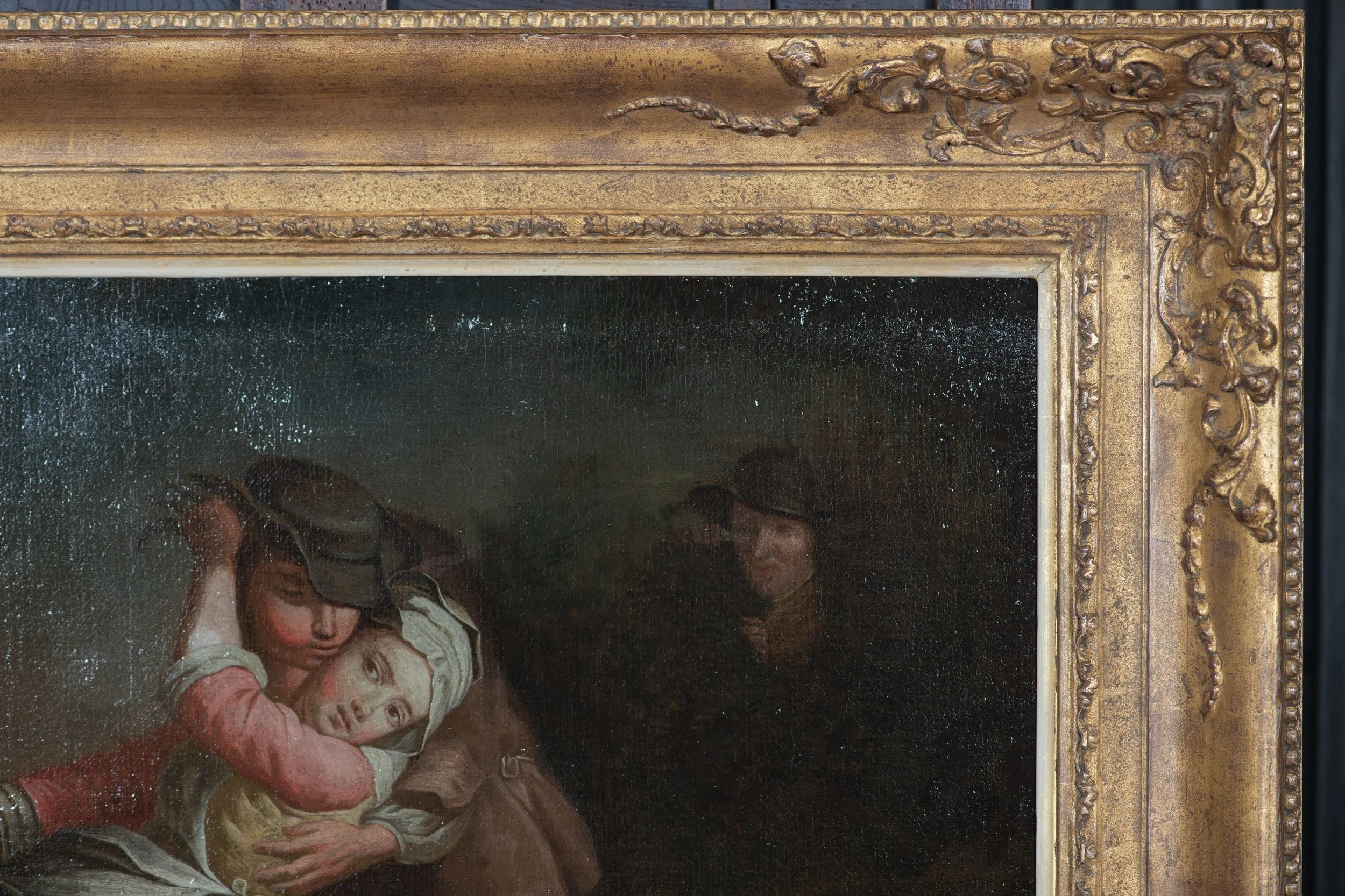 Image 24 of 25
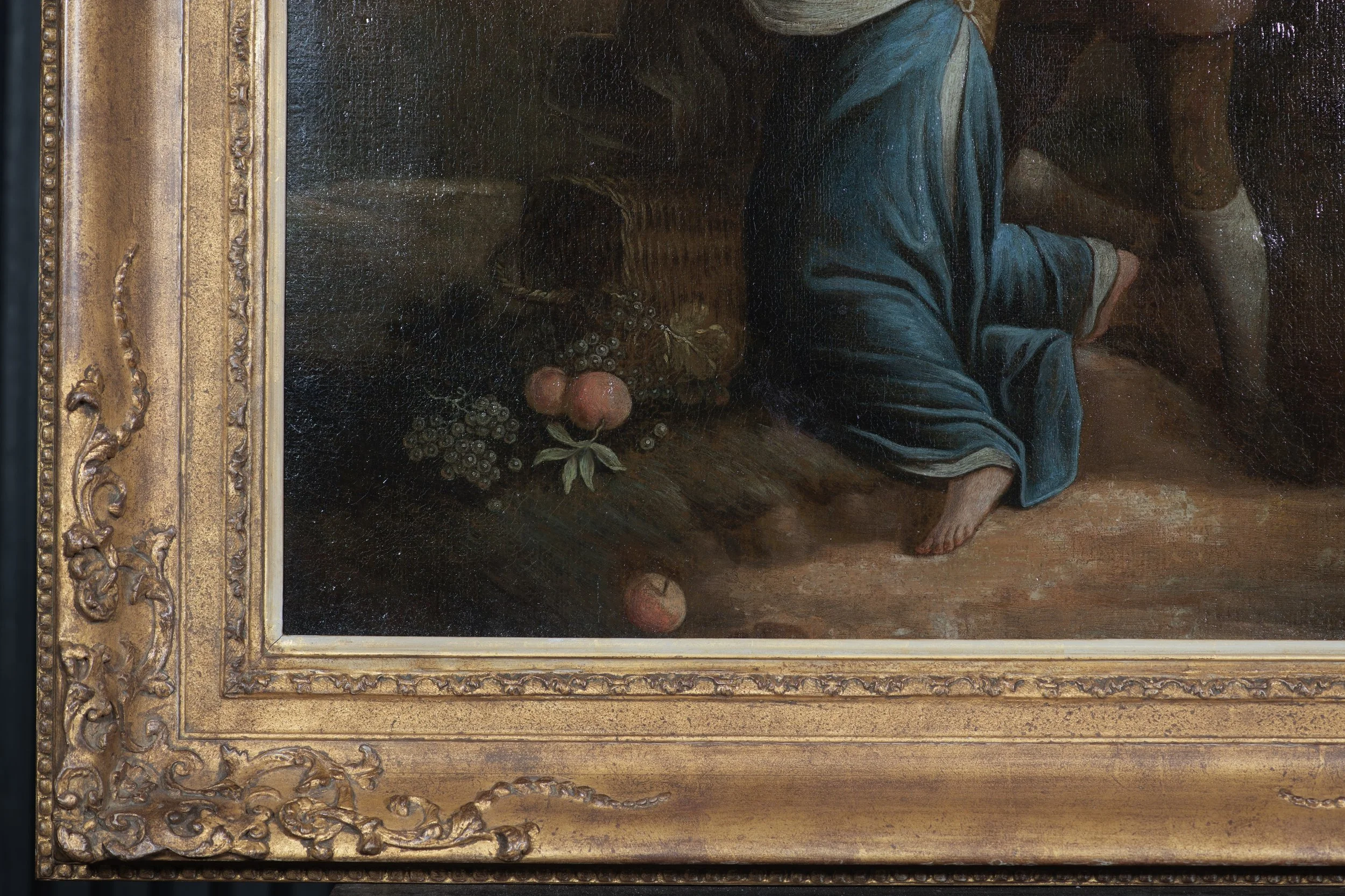 Image 25 of 25