CONTACT US
Raffaello Sanzio (1483–1520) – Follower XVIII–XIX
Consecration of the King
Oil on copper, 56.5 × 63.5 cm; with frame 66.5 × 77 cm
Introduction
This exceptionally refined oil painting on copper is an impressive eighteenth- or early nineteenth-century follower’s work after one of the most emblematic scenes from the iconographic cycle of the Logge Vaticane: the Consecration of the King, an episode from the life of Solomon. The original decoration of the Vatican Loggias was conceived around 1517–1519 under the direction of Raphael, with the execution primarily carried out by his closest collaborators, notably Perino del Vaga and Giulio Romano. Their monumental treatment of Old Testament narratives, combined with the idealising language of the High Renaissance, made the cycle a foundational model for artists across Europe. Copies and interpretations of the Loggias became particularly esteemed within academic circles, where Raphael’s inventions served as a normative framework for composition, anatomical idealism, and narrative clarity. The present painting embodies that tradition with remarkable dedication and finesse.
Description of the Work
At the centre of the composition we witness the solemn anointing of the young king, surrounded by a large assembly of counsellors, prophets, soldiers and onlookers who participate expressively in the ritual moment. The slightly bowed figure who receives the anointing forms the visual and conceptual focal point. The powerful arm of the high priest lifting the vessel of sacred oil imposes a diagonal tension that structurally organises the scene.
The half-reclining, semi-draped figure to the right, leaning on a lion’s head, introduces a classically modelled motif frequently used in Renaissance visual culture to denote prophetic authority, royal lineage or the Davidic heritage. The varied postures, the contemplative expressions and the rhythmic sequence of raised arms heighten the ceremonial character. Behind the group, a softly lit landscape with distant hills and architectural silhouettes opens the space and gives the composition an atmospheric and timeless dimension.
Technique and Colour Palette
The choice of copper as a support — prized for its exceptionally smooth surface — reflects a well-established tradition among Italian, French and South German artists. The painting is executed in thin, controlled layers, producing a deep sheen and an almost enamel-like surface. Skin tones are gently modelled with subtle transitions, while the draperies display the saturated brilliance so characteristic of Raphael’s idiom: luminous blues, carmines, golden yellows and rich earth tones create a vivid and harmonious palette.
The modelling reveals a thorough command of the anatomical principles taught in eighteenth- and nineteenth-century academies. Draperies are rendered with sculptural clarity, directly echoing the High Renaissance vocabulary developed by Raphael and his circle, as well as the neoclassical revival of these forms in later centuries.
A recent cleaning has revived the luminosity of the pigments, while a new matte (silk-gloss) dammar varnish restores depth and chromatic balance. Under UV light, scattered retouching is visible, concentrated mainly in areas of earlier paint loss — particularly in the lower left section — but integrated with care.
Composition and Style
The composition is exemplary of the Raphaelesque tradition: a harmoniously organised tableau in which the figures function almost architectonically. The group is structured in a fluid progression from left to right, with the diagonal of the priest’s extended arm drawing the viewer’s attention to the central ritual act. Idealised proportions, serene facial expressions and classically balanced poses reflect the formal vocabulary of the High Renaissance.
Although not a literal copy, the painting is an academic reinterpretation that emphasises clarity of form, precise contouring and a refined brilliance achievable only on copper. It aligns closely with the neoclassical and academic tendencies of the eighteenth and early nineteenth century, when the study of Raphael’s Loggias formed a core component of artistic training for students, copyists and court painters.
Within this broader artistic lineage, the work stands alongside masters whose styles embody similar ideals of harmony and narrative monumentality, including Pietro Perugino, Andrea del Sarto, Domenichino, Nicolas Poussin.
Art-Historical Context
From the sixteenth century onward, the Logge Vaticane were among Europe’s most influential decorative ensembles. Reproductions in drawing, print and painted format circulated widely and became fundamental components of academic training in Rome, Florence, Paris and Vienna. During the eighteenth and nineteenth centuries, admiration for Raphael reached its peak: his visual language was regarded as the purest embodiment of ideal beauty, balance and spiritual elevation. Followers produced interpretations for aristocratic residences, papal palaces and private collectors seeking the intellectual prestige associated with the Loggia imagery.
The present painting is a particularly fine example of how the compositions from the Duodécima bóveda — dedicated to Solomon — were transformed into transportable works that conveyed the grandeur of the Vatican originals to private interiors. The narrative coherence of the scene — from the priestly anointing to the dignified assembly of courtiers and prophets — underscores Solomon’s central role as a model of wisdom and divinely sanctioned kingship.
The Artist (Follower of Raphael)
The painting is unsigned, in keeping with many academically inspired works after celebrated Renaissance models. Its execution demonstrates a highly trained artistic background, with command of anatomy, perspective and classical modelling. Although the specific hand remains unidentified, the artist clearly possessed an intimate understanding of Raphael’s visual grammar and of the academic ideals that shaped European art for centuries. The refined brushwork, precise contours, fluid draperies and convincing light modulation attest to an accomplished and technically skilled painter.
Condition
The copper support is structurally stable and provides a secure foundation for the paint layers. Earlier paint loss in the lower left area has been carefully restored. The fresh application of a thin silk-gloss dammar varnish creates a unified and harmonious surface that enhances depth and colour resonance. Retouches visible under UV light are limited and sensitively executed. The overall preservation and presentation of the painting are strong and coherent.
Conclusion
This distinguished follower’s work after Raphael unites technical mastery, aesthetic refinement and historical resonance. The composition achieves a striking balance between monumentality and clarity, between classical idealisation and narrative intensity. The use of copper, the academic precision and the direct connection to one of the most influential cycles in Western art make this painting a compelling addition to any collection that values the enduring heritage of the Renaissance and its later reception. It is a rare and highly decorative affirmation of Raphael’s lasting impact — a masterfully executed evocation of one of the most iconic scenes from the Logge Vaticane.
CONTACT US
Raffaello Sanzio (1483–1520) – Follower XVIII–XIX
Consecration of the King
Oil on copper, 56.5 × 63.5 cm; with frame 66.5 × 77 cm
Introduction
This exceptionally refined oil painting on copper is an impressive eighteenth- or early nineteenth-century follower’s work after one of the most emblematic scenes from the iconographic cycle of the Logge Vaticane: the Consecration of the King, an episode from the life of Solomon. The original decoration of the Vatican Loggias was conceived around 1517–1519 under the direction of Raphael, with the execution primarily carried out by his closest collaborators, notably Perino del Vaga and Giulio Romano. Their monumental treatment of Old Testament narratives, combined with the idealising language of the High Renaissance, made the cycle a foundational model for artists across Europe. Copies and interpretations of the Loggias became particularly esteemed within academic circles, where Raphael’s inventions served as a normative framework for composition, anatomical idealism, and narrative clarity. The present painting embodies that tradition with remarkable dedication and finesse.
Description of the Work
At the centre of the composition we witness the solemn anointing of the young king, surrounded by a large assembly of counsellors, prophets, soldiers and onlookers who participate expressively in the ritual moment. The slightly bowed figure who receives the anointing forms the visual and conceptual focal point. The powerful arm of the high priest lifting the vessel of sacred oil imposes a diagonal tension that structurally organises the scene.
The half-reclining, semi-draped figure to the right, leaning on a lion’s head, introduces a classically modelled motif frequently used in Renaissance visual culture to denote prophetic authority, royal lineage or the Davidic heritage. The varied postures, the contemplative expressions and the rhythmic sequence of raised arms heighten the ceremonial character. Behind the group, a softly lit landscape with distant hills and architectural silhouettes opens the space and gives the composition an atmospheric and timeless dimension.
Technique and Colour Palette
The choice of copper as a support — prized for its exceptionally smooth surface — reflects a well-established tradition among Italian, French and South German artists. The painting is executed in thin, controlled layers, producing a deep sheen and an almost enamel-like surface. Skin tones are gently modelled with subtle transitions, while the draperies display the saturated brilliance so characteristic of Raphael’s idiom: luminous blues, carmines, golden yellows and rich earth tones create a vivid and harmonious palette.
The modelling reveals a thorough command of the anatomical principles taught in eighteenth- and nineteenth-century academies. Draperies are rendered with sculptural clarity, directly echoing the High Renaissance vocabulary developed by Raphael and his circle, as well as the neoclassical revival of these forms in later centuries.
A recent cleaning has revived the luminosity of the pigments, while a new matte (silk-gloss) dammar varnish restores depth and chromatic balance. Under UV light, scattered retouching is visible, concentrated mainly in areas of earlier paint loss — particularly in the lower left section — but integrated with care.
Composition and Style
The composition is exemplary of the Raphaelesque tradition: a harmoniously organised tableau in which the figures function almost architectonically. The group is structured in a fluid progression from left to right, with the diagonal of the priest’s extended arm drawing the viewer’s attention to the central ritual act. Idealised proportions, serene facial expressions and classically balanced poses reflect the formal vocabulary of the High Renaissance.
Although not a literal copy, the painting is an academic reinterpretation that emphasises clarity of form, precise contouring and a refined brilliance achievable only on copper. It aligns closely with the neoclassical and academic tendencies of the eighteenth and early nineteenth century, when the study of Raphael’s Loggias formed a core component of artistic training for students, copyists and court painters.
Within this broader artistic lineage, the work stands alongside masters whose styles embody similar ideals of harmony and narrative monumentality, including Pietro Perugino, Andrea del Sarto, Domenichino, Nicolas Poussin.
Art-Historical Context
From the sixteenth century onward, the Logge Vaticane were among Europe’s most influential decorative ensembles. Reproductions in drawing, print and painted format circulated widely and became fundamental components of academic training in Rome, Florence, Paris and Vienna. During the eighteenth and nineteenth centuries, admiration for Raphael reached its peak: his visual language was regarded as the purest embodiment of ideal beauty, balance and spiritual elevation. Followers produced interpretations for aristocratic residences, papal palaces and private collectors seeking the intellectual prestige associated with the Loggia imagery.
The present painting is a particularly fine example of how the compositions from the Duodécima bóveda — dedicated to Solomon — were transformed into transportable works that conveyed the grandeur of the Vatican originals to private interiors. The narrative coherence of the scene — from the priestly anointing to the dignified assembly of courtiers and prophets — underscores Solomon’s central role as a model of wisdom and divinely sanctioned kingship.
The Artist (Follower of Raphael)
The painting is unsigned, in keeping with many academically inspired works after celebrated Renaissance models. Its execution demonstrates a highly trained artistic background, with command of anatomy, perspective and classical modelling. Although the specific hand remains unidentified, the artist clearly possessed an intimate understanding of Raphael’s visual grammar and of the academic ideals that shaped European art for centuries. The refined brushwork, precise contours, fluid draperies and convincing light modulation attest to an accomplished and technically skilled painter.
Condition
The copper support is structurally stable and provides a secure foundation for the paint layers. Earlier paint loss in the lower left area has been carefully restored. The fresh application of a thin silk-gloss dammar varnish creates a unified and harmonious surface that enhances depth and colour resonance. Retouches visible under UV light are limited and sensitively executed. The overall preservation and presentation of the painting are strong and coherent.
Conclusion
This distinguished follower’s work after Raphael unites technical mastery, aesthetic refinement and historical resonance. The composition achieves a striking balance between monumentality and clarity, between classical idealisation and narrative intensity. The use of copper, the academic precision and the direct connection to one of the most influential cycles in Western art make this painting a compelling addition to any collection that values the enduring heritage of the Renaissance and its later reception. It is a rare and highly decorative affirmation of Raphael’s lasting impact — a masterfully executed evocation of one of the most iconic scenes from the Logge Vaticane.

 Image 1 of 25
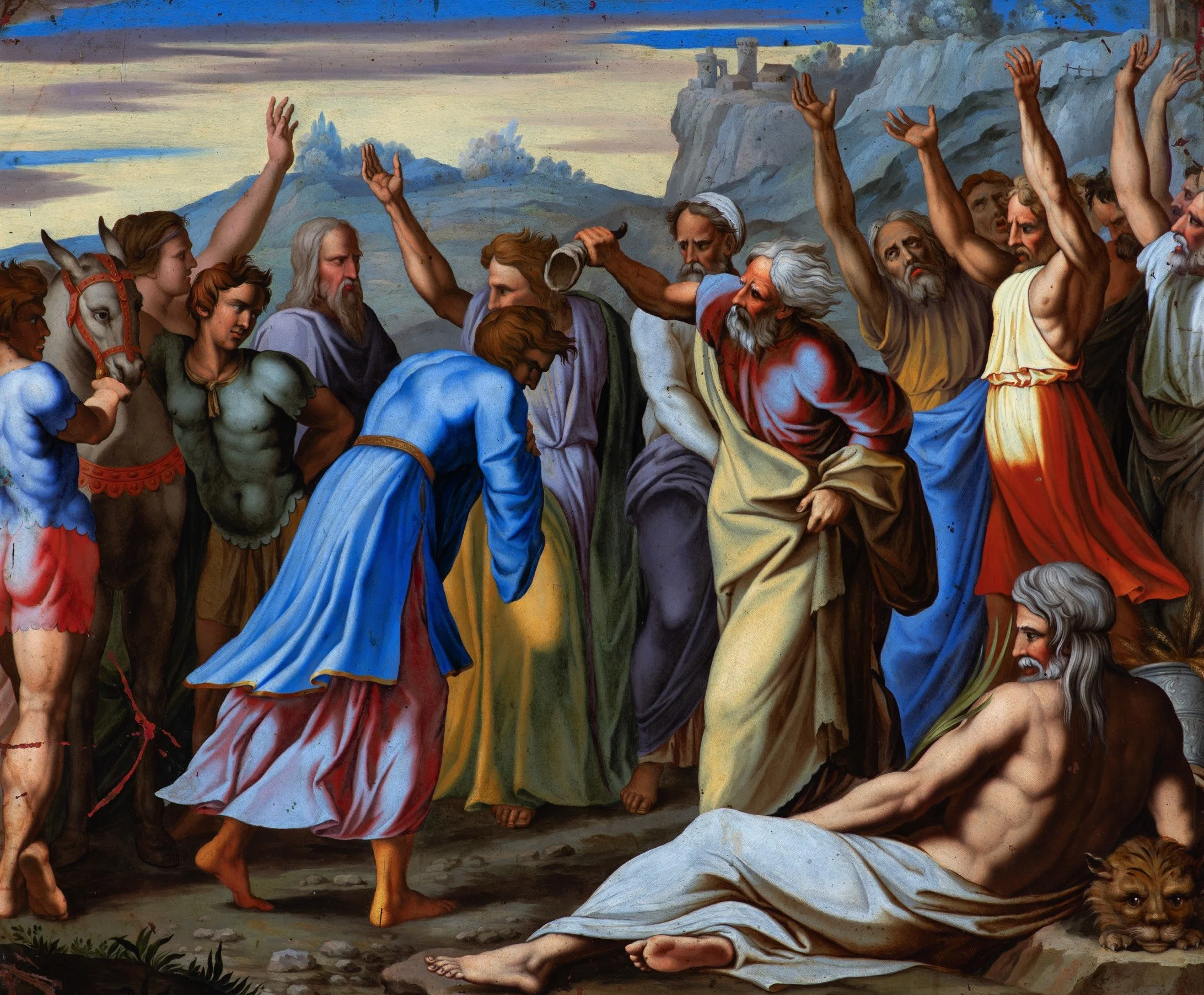 Image 2 of 25
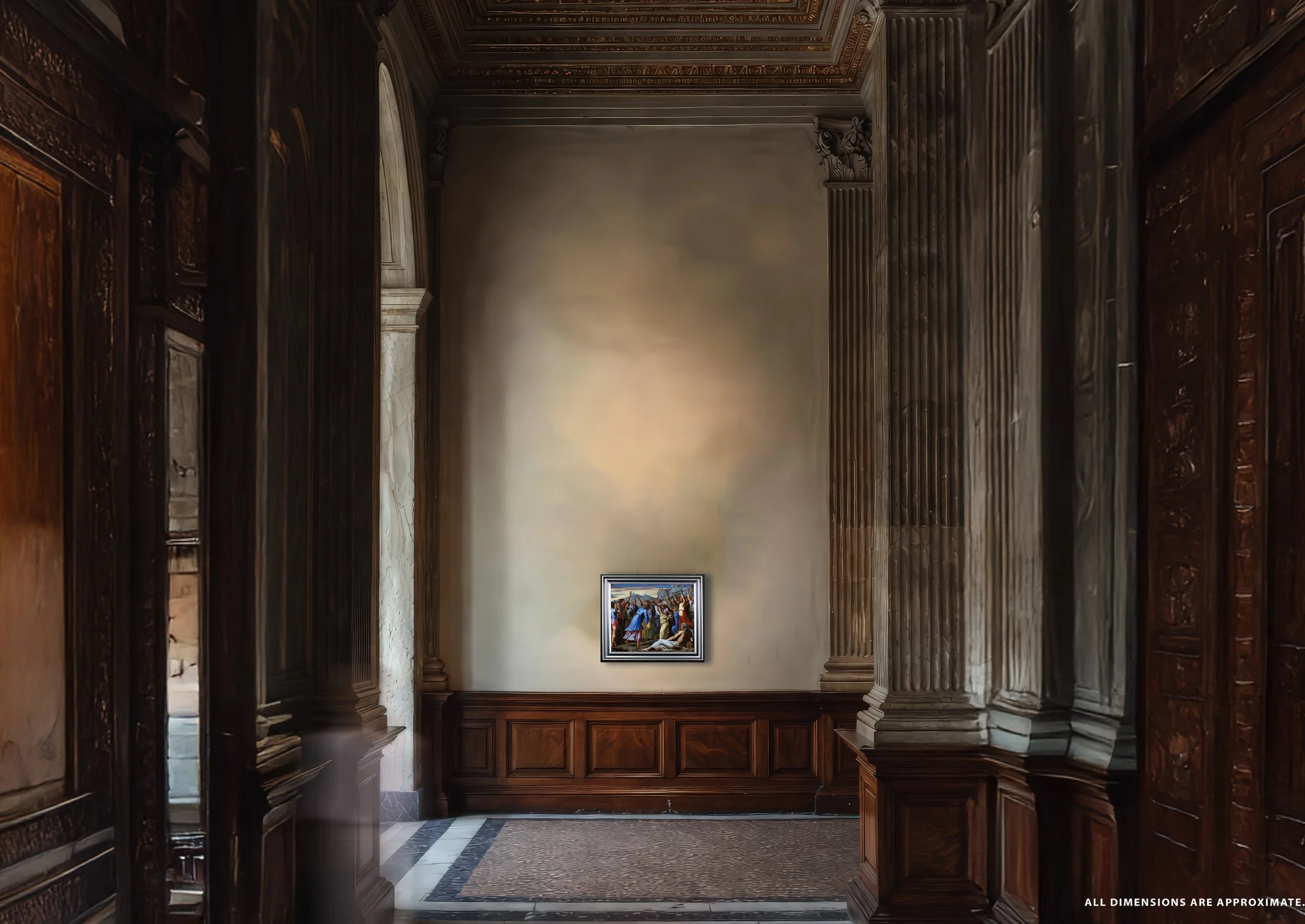 Image 3 of 25
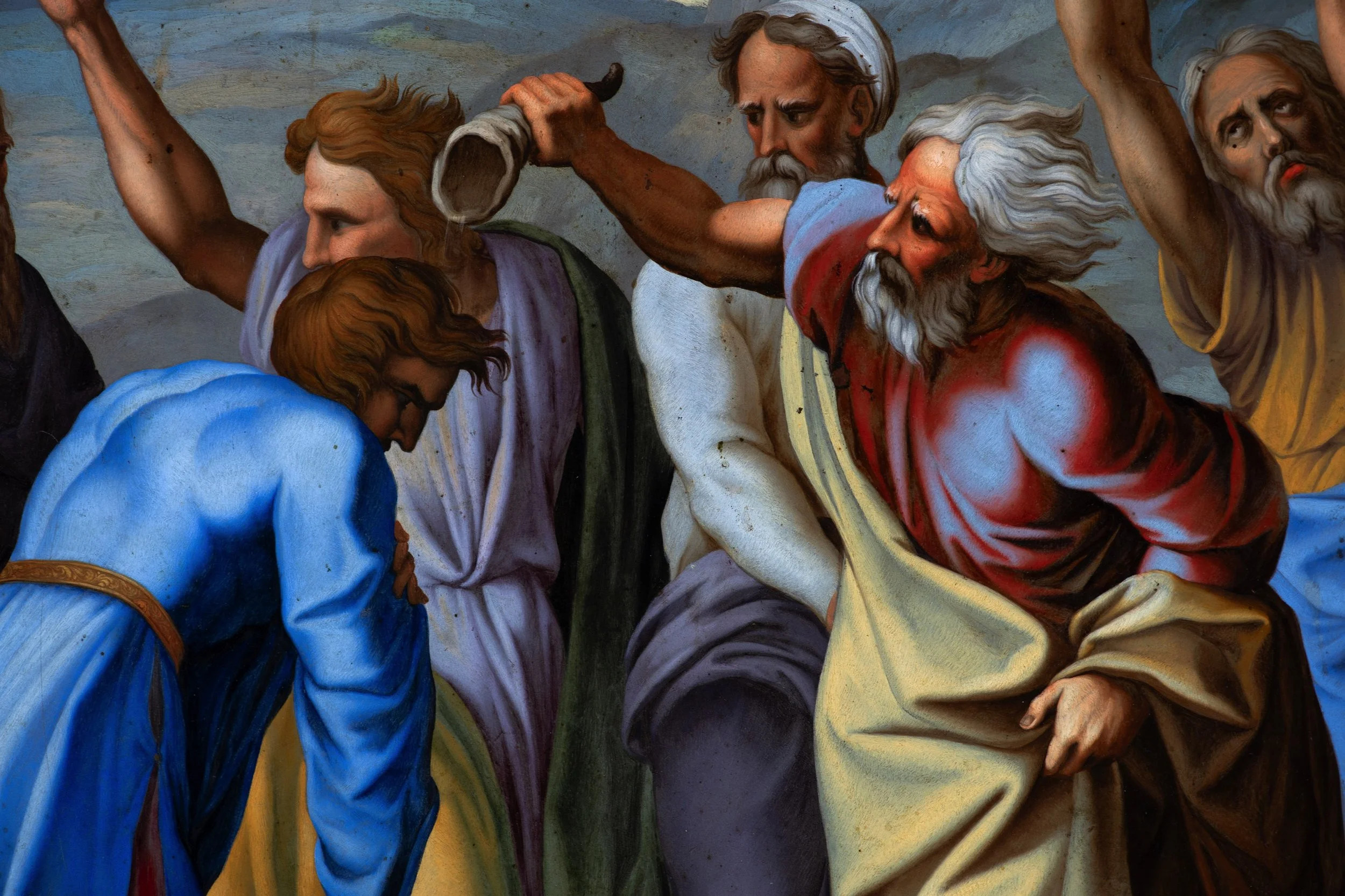 Image 4 of 25
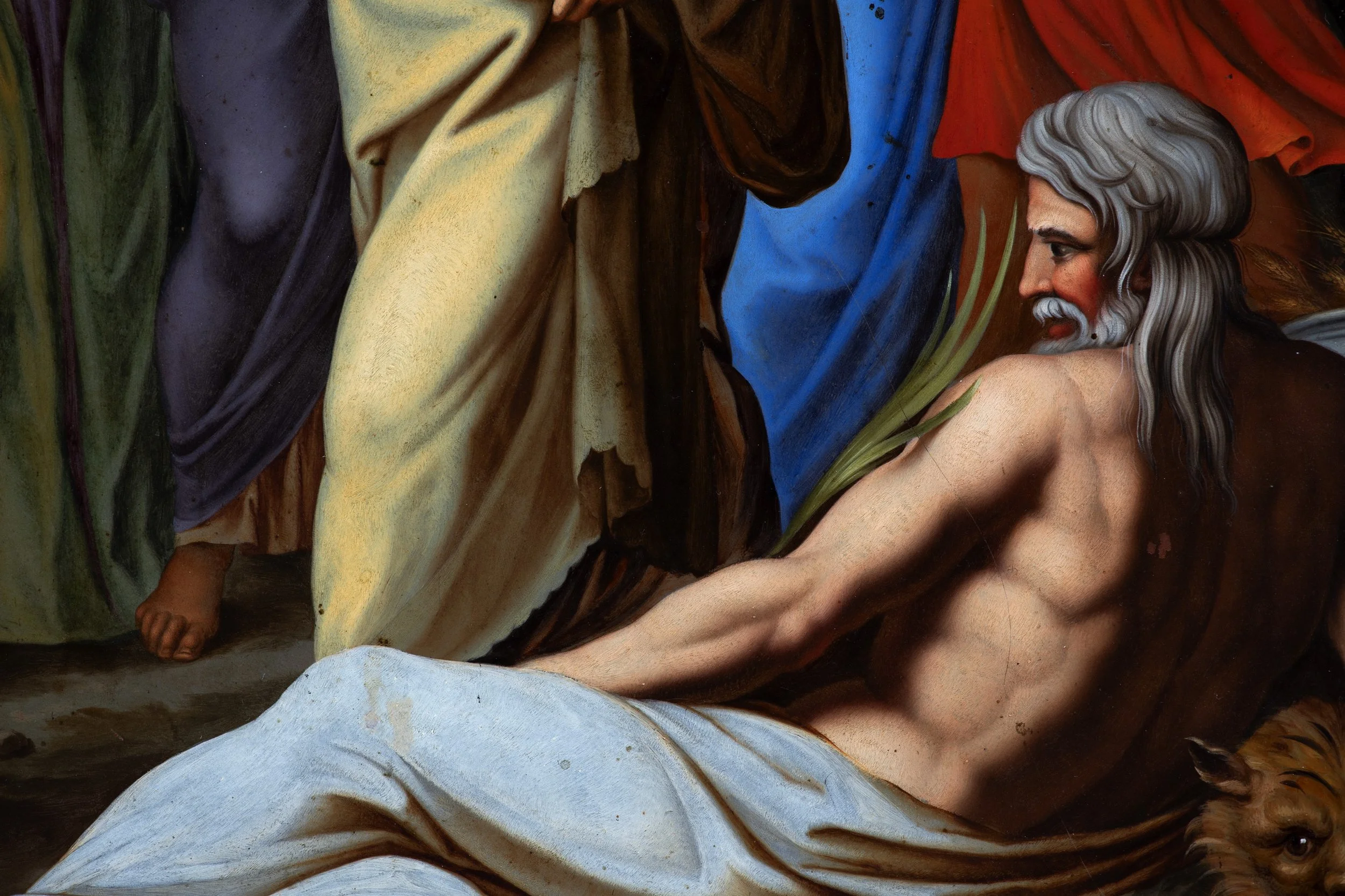 Image 5 of 25
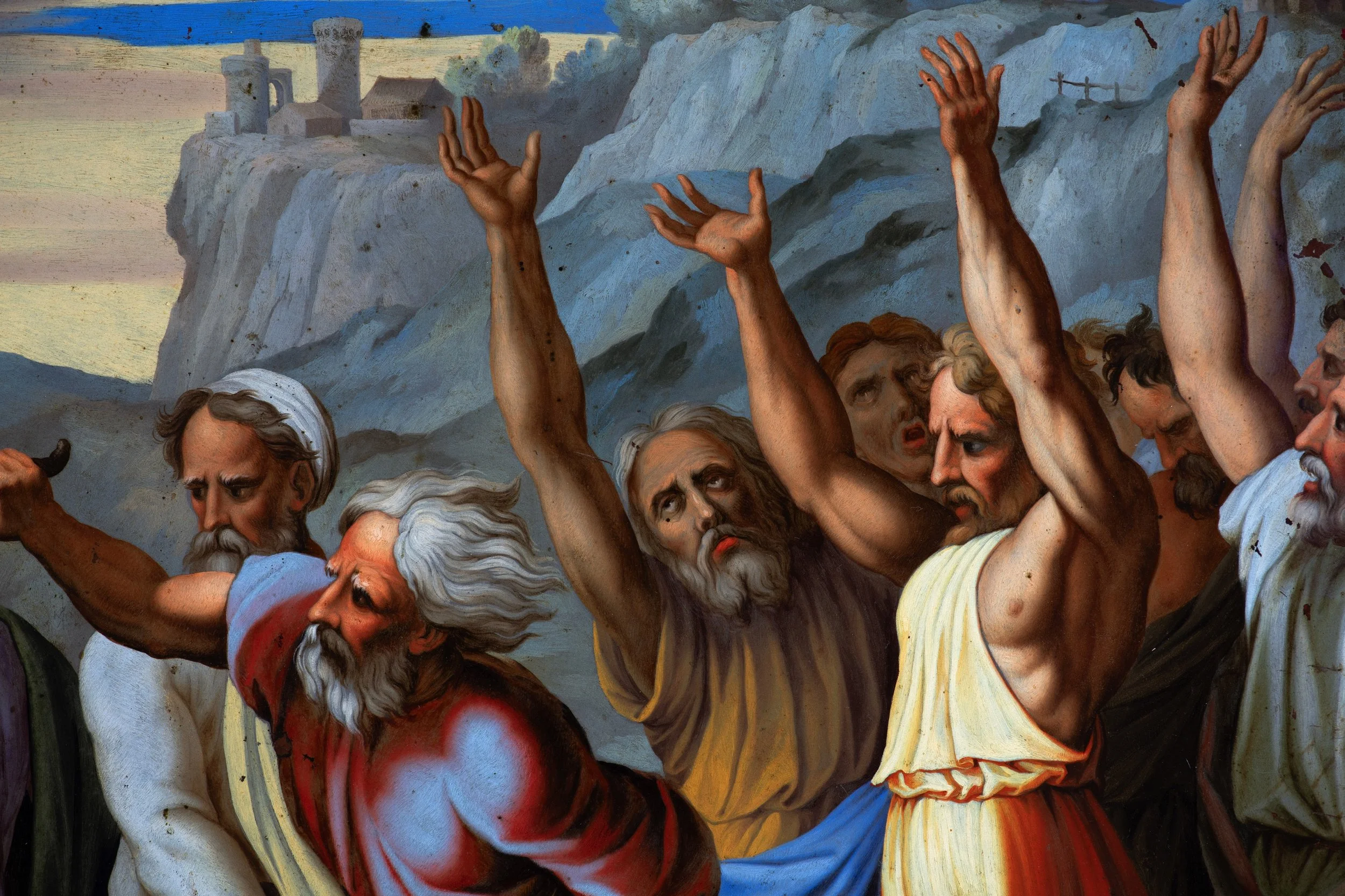 Image 6 of 25
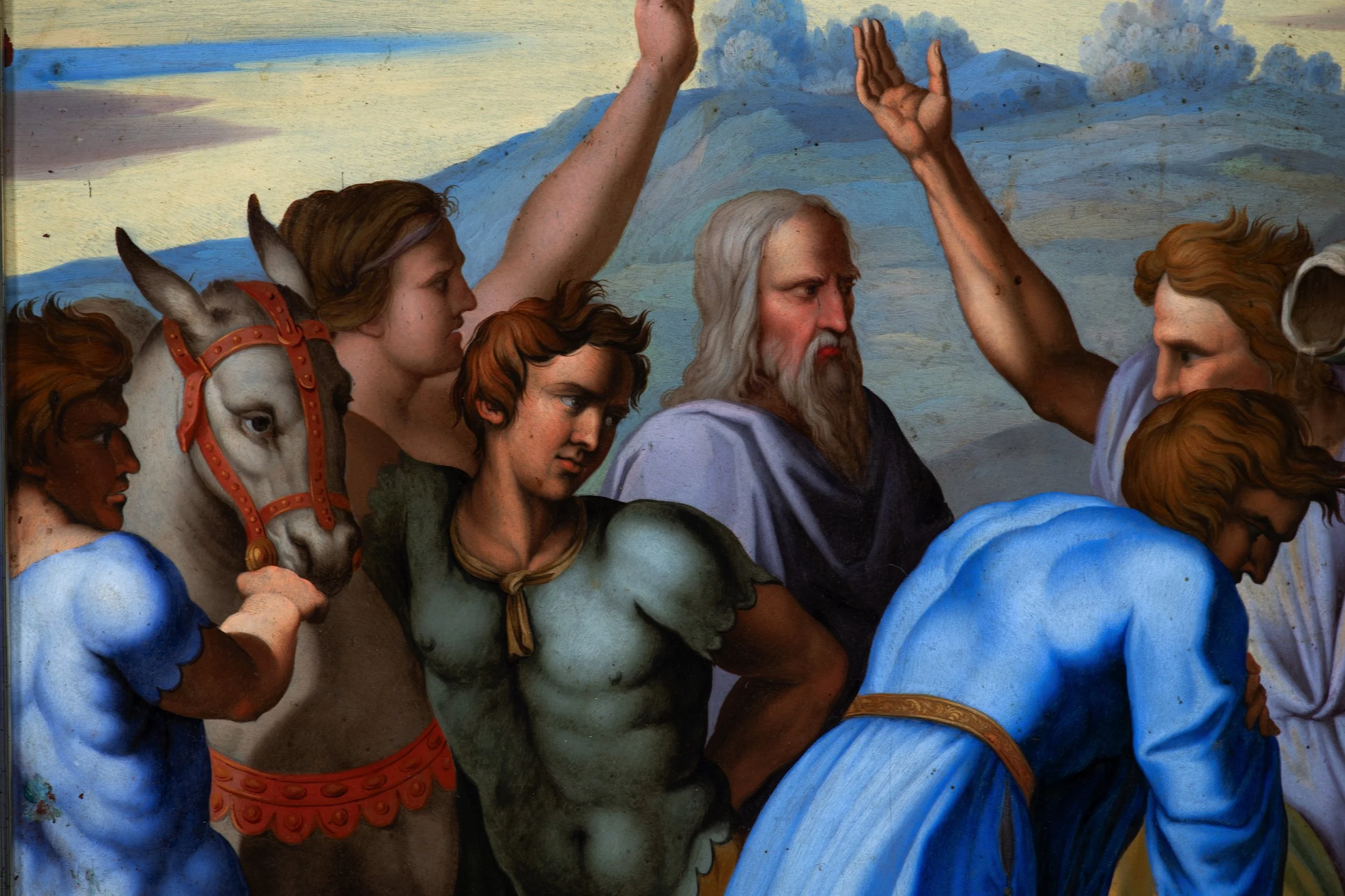 Image 7 of 25
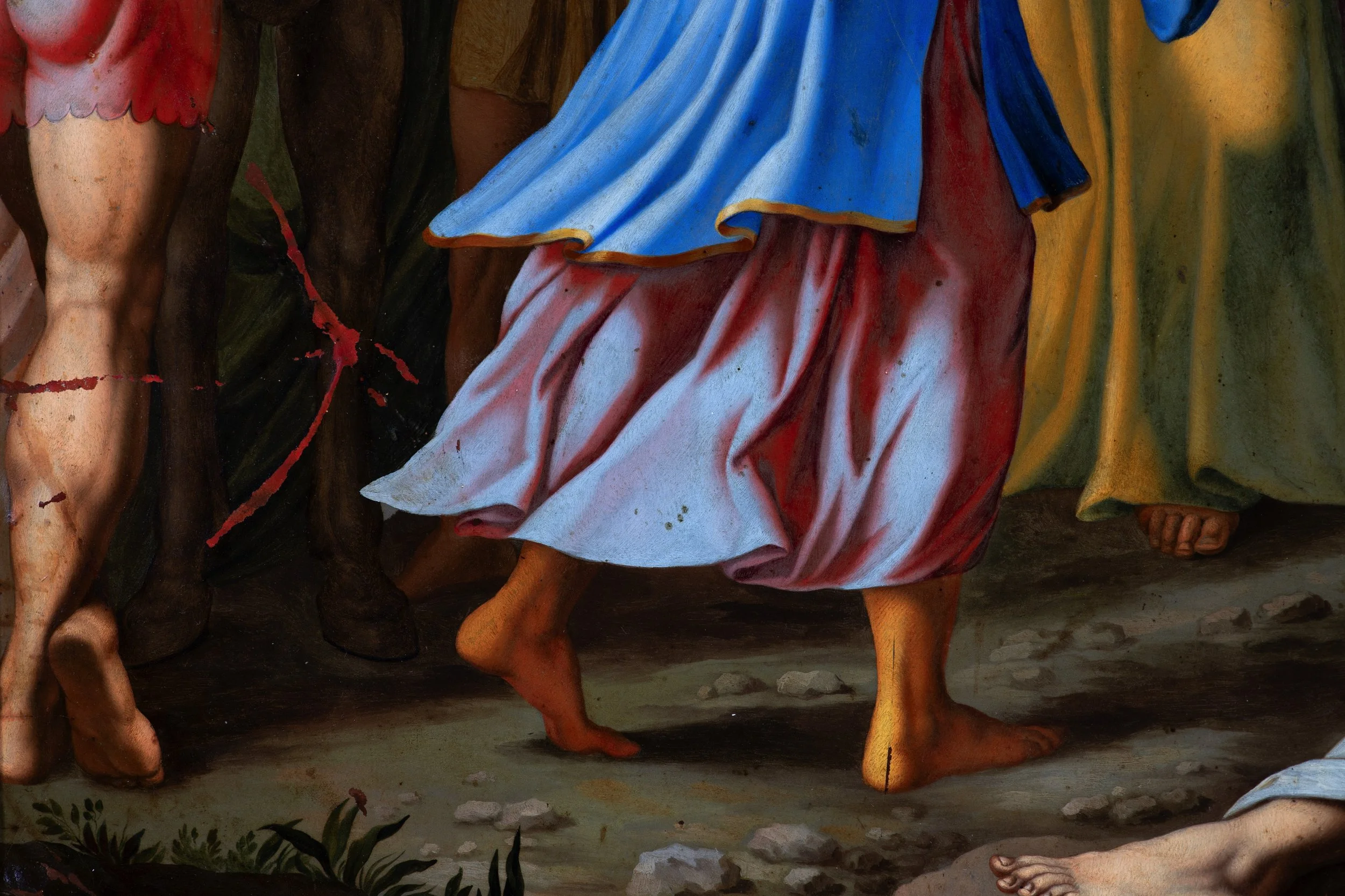 Image 8 of 25
 Image 9 of 25
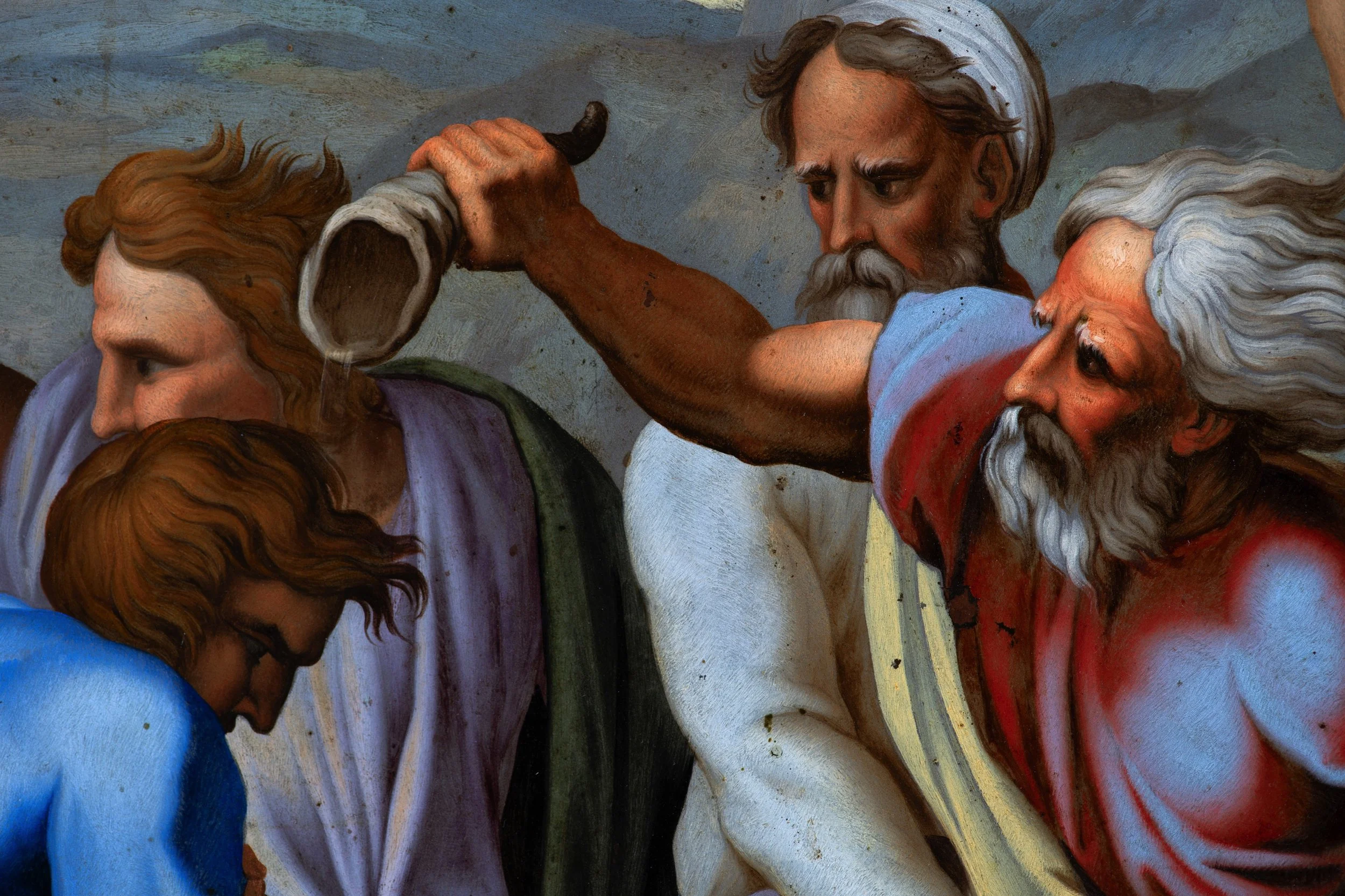 Image 10 of 25
 Image 11 of 25
 Image 12 of 25
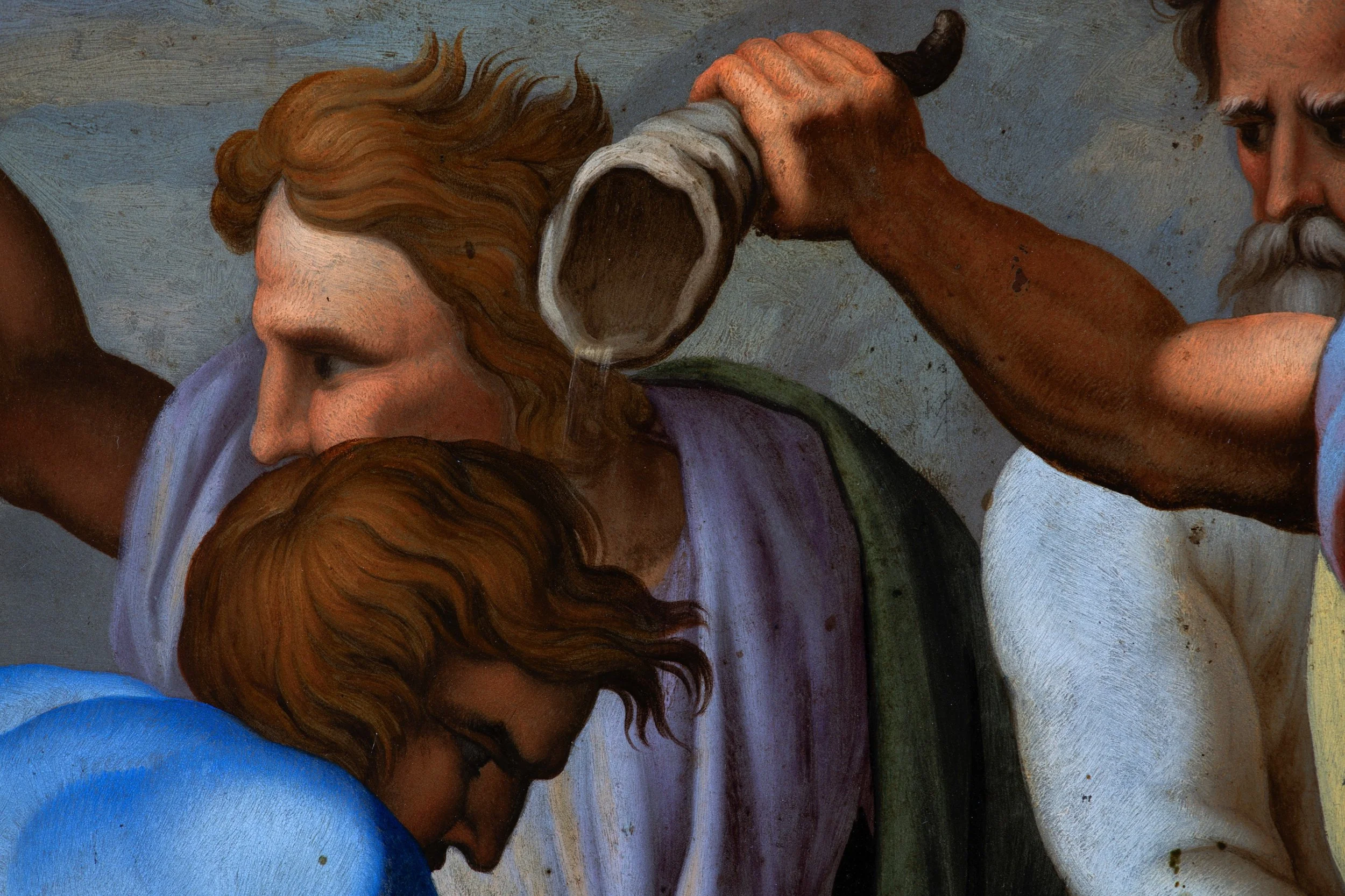 Image 13 of 25
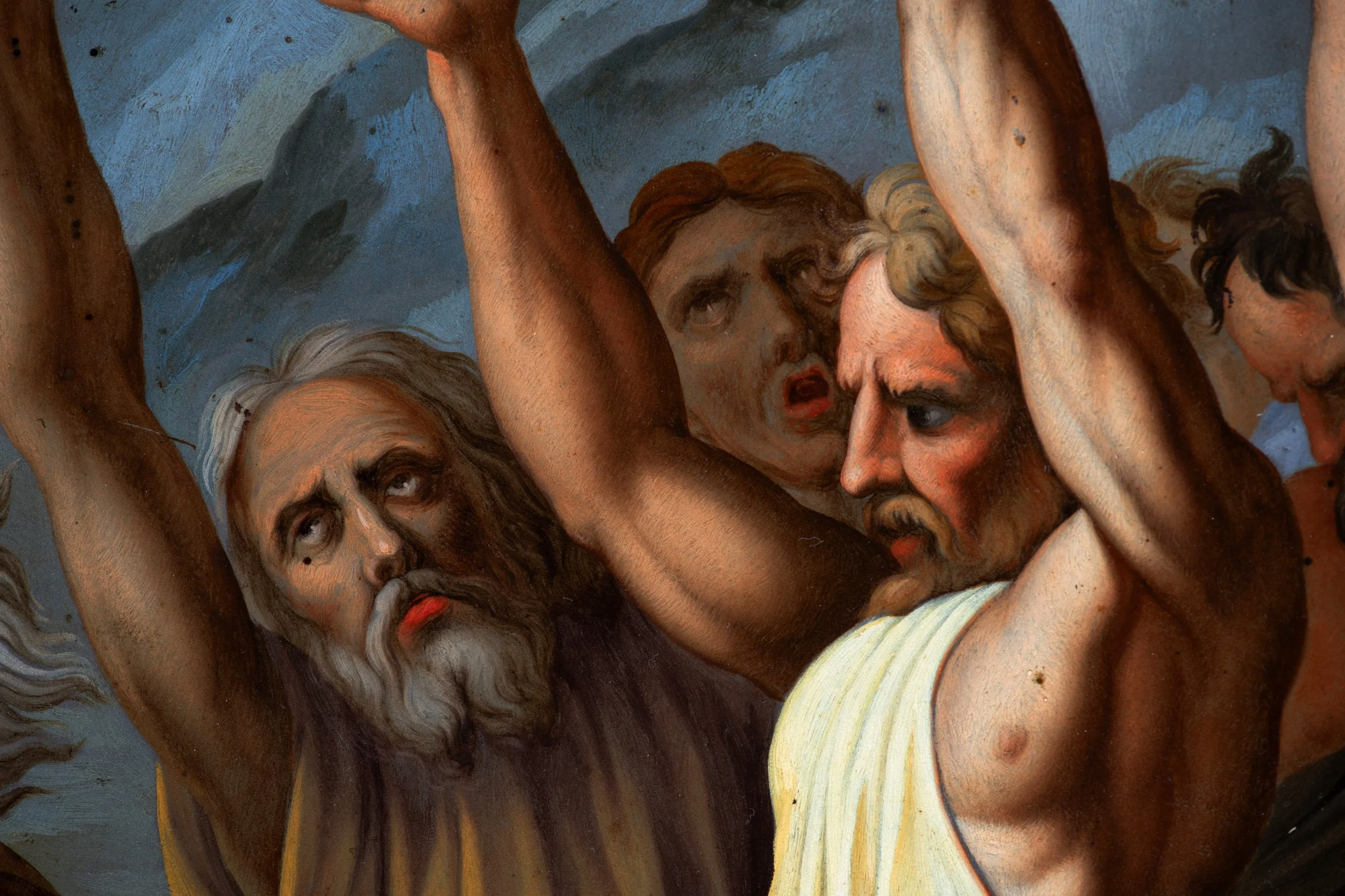 Image 14 of 25
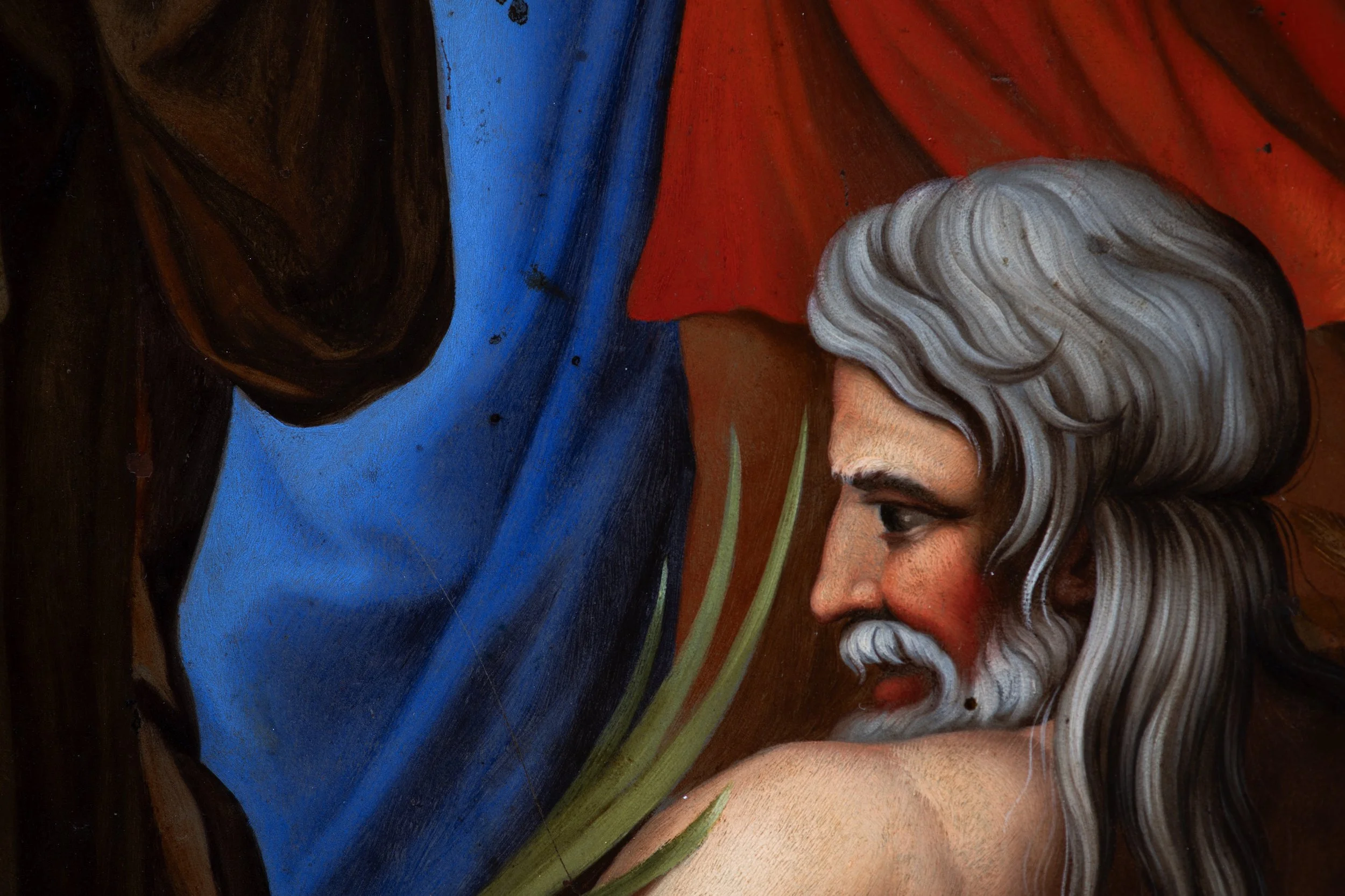 Image 15 of 25
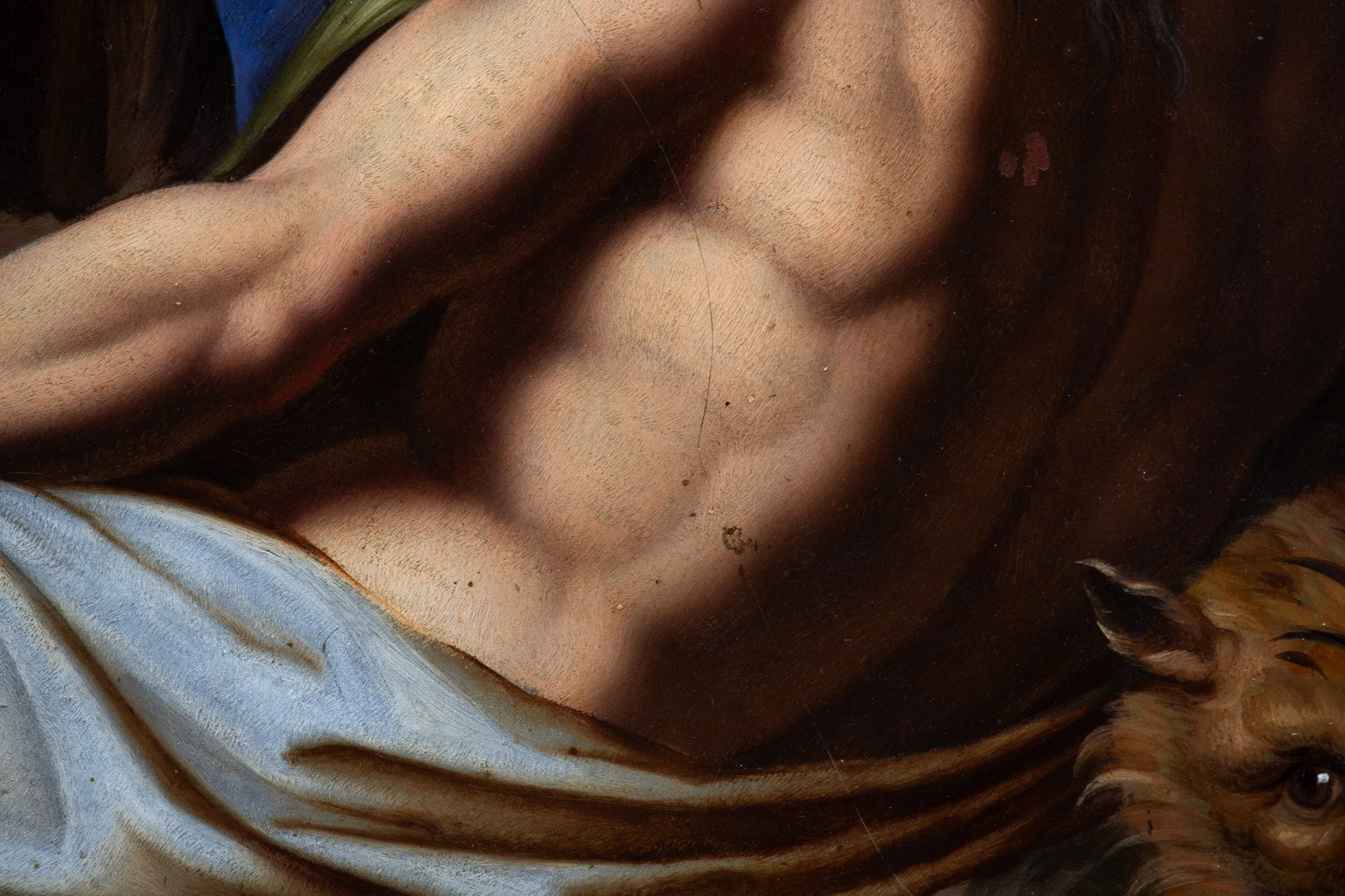 Image 16 of 25
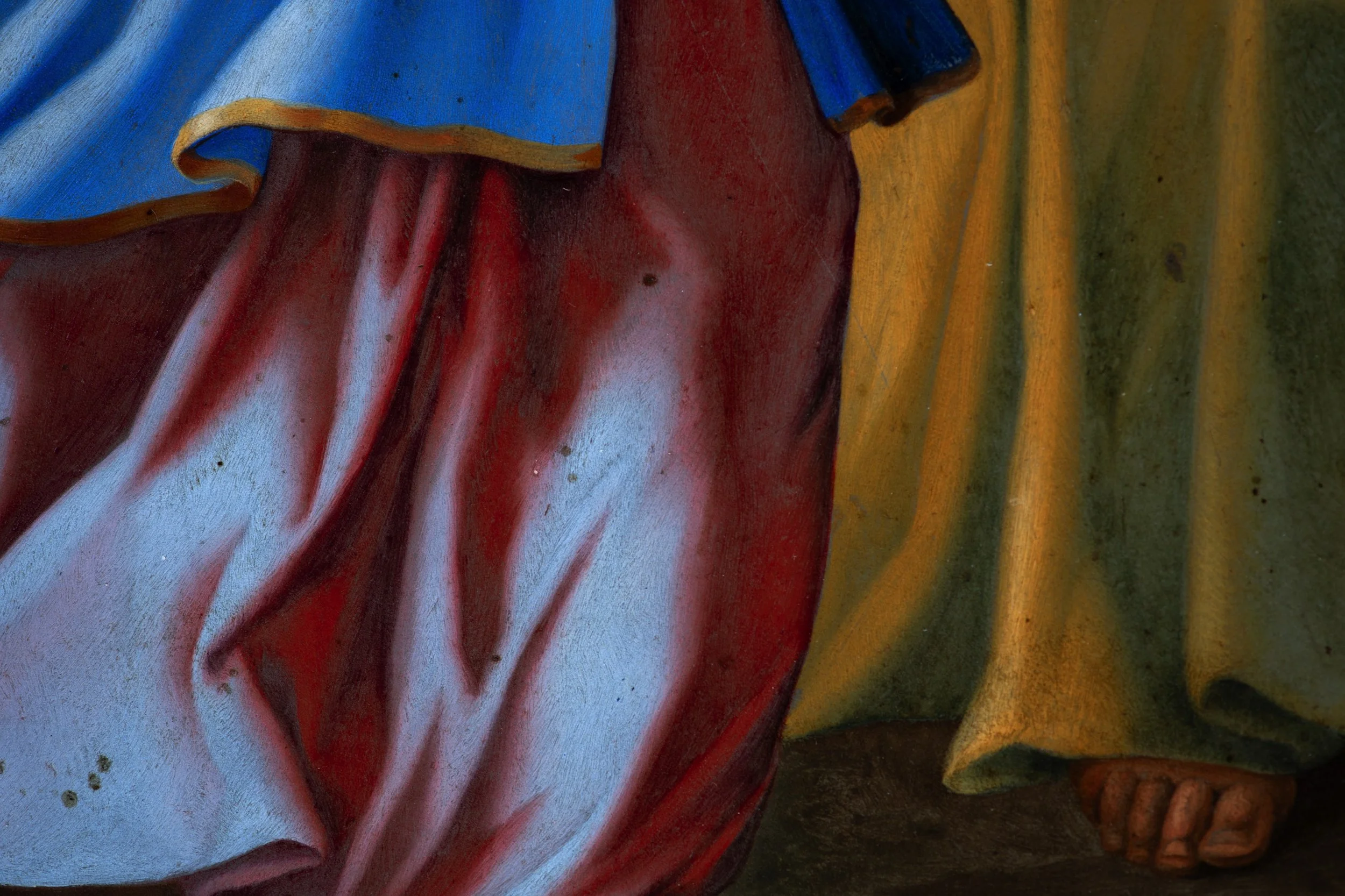 Image 17 of 25
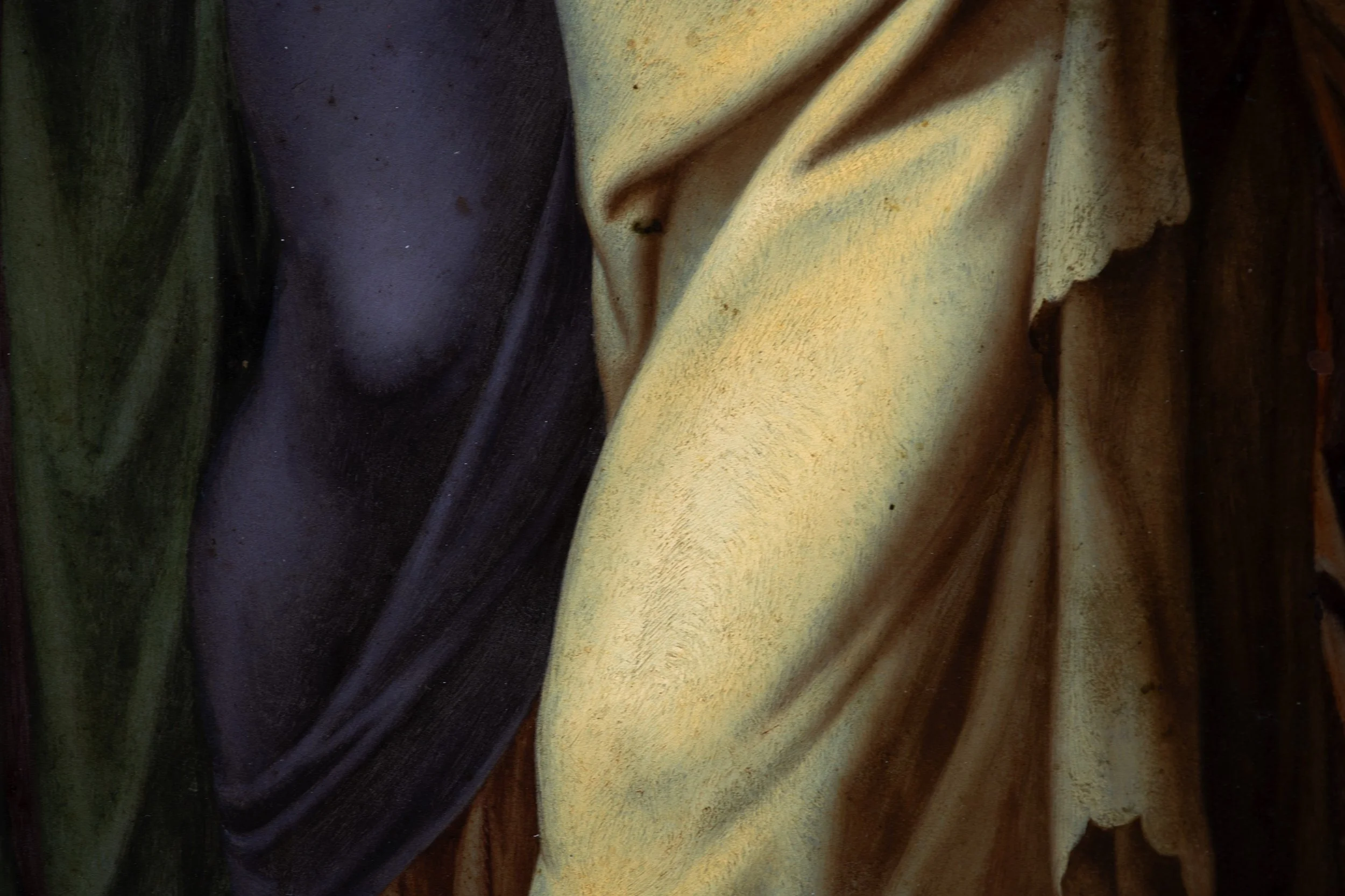 Image 18 of 25
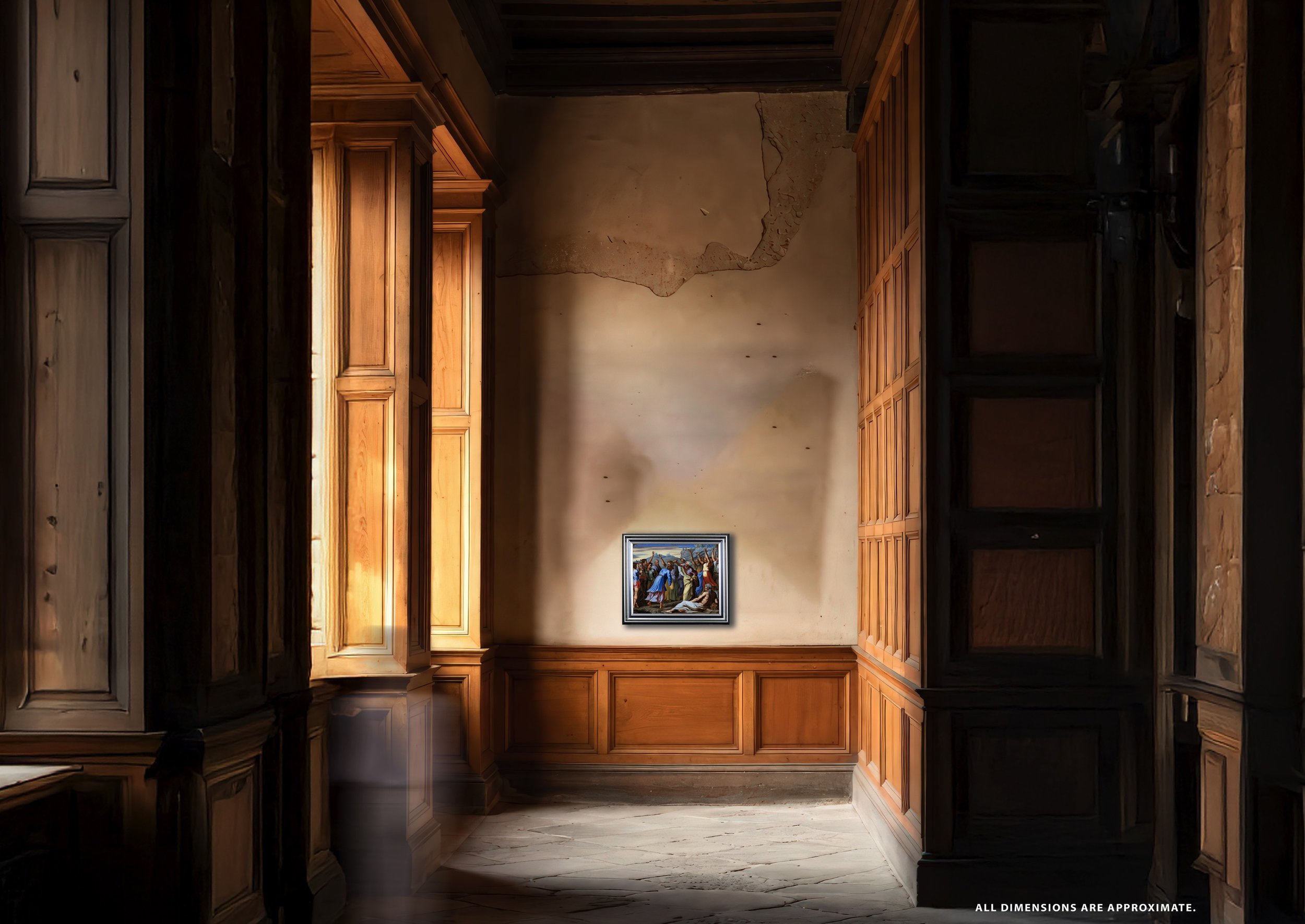 Image 19 of 25
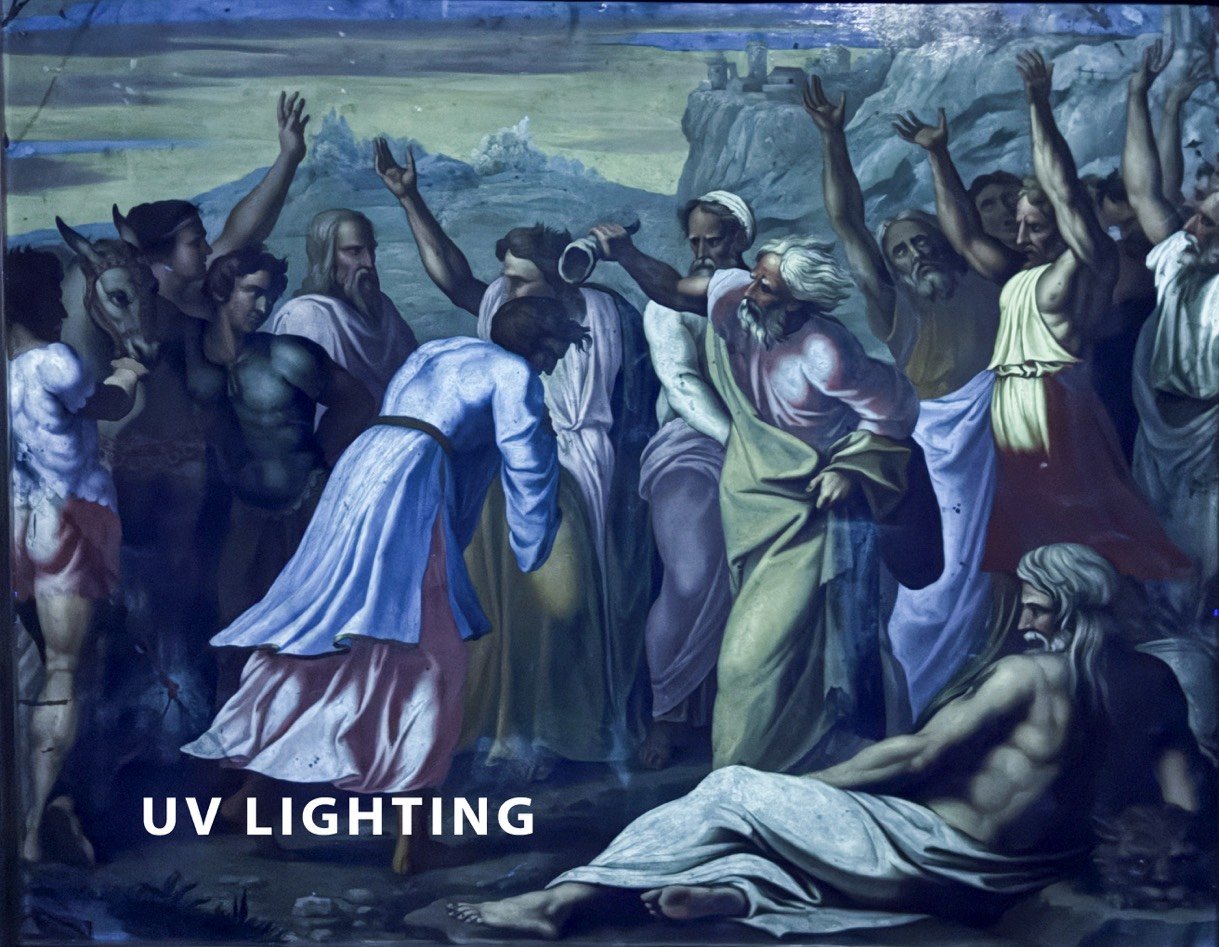 Image 20 of 25
 Image 21 of 25
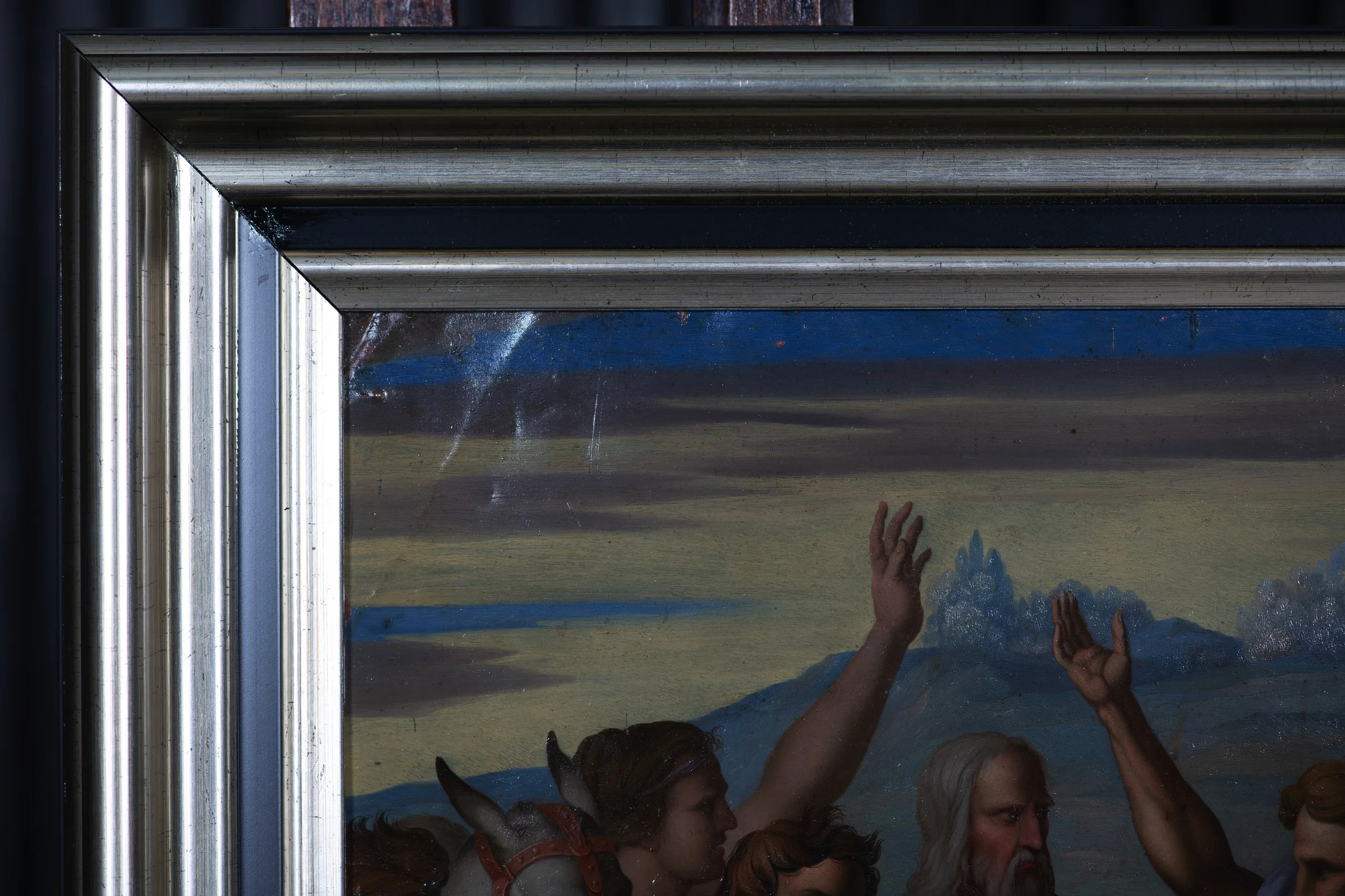 Image 22 of 25
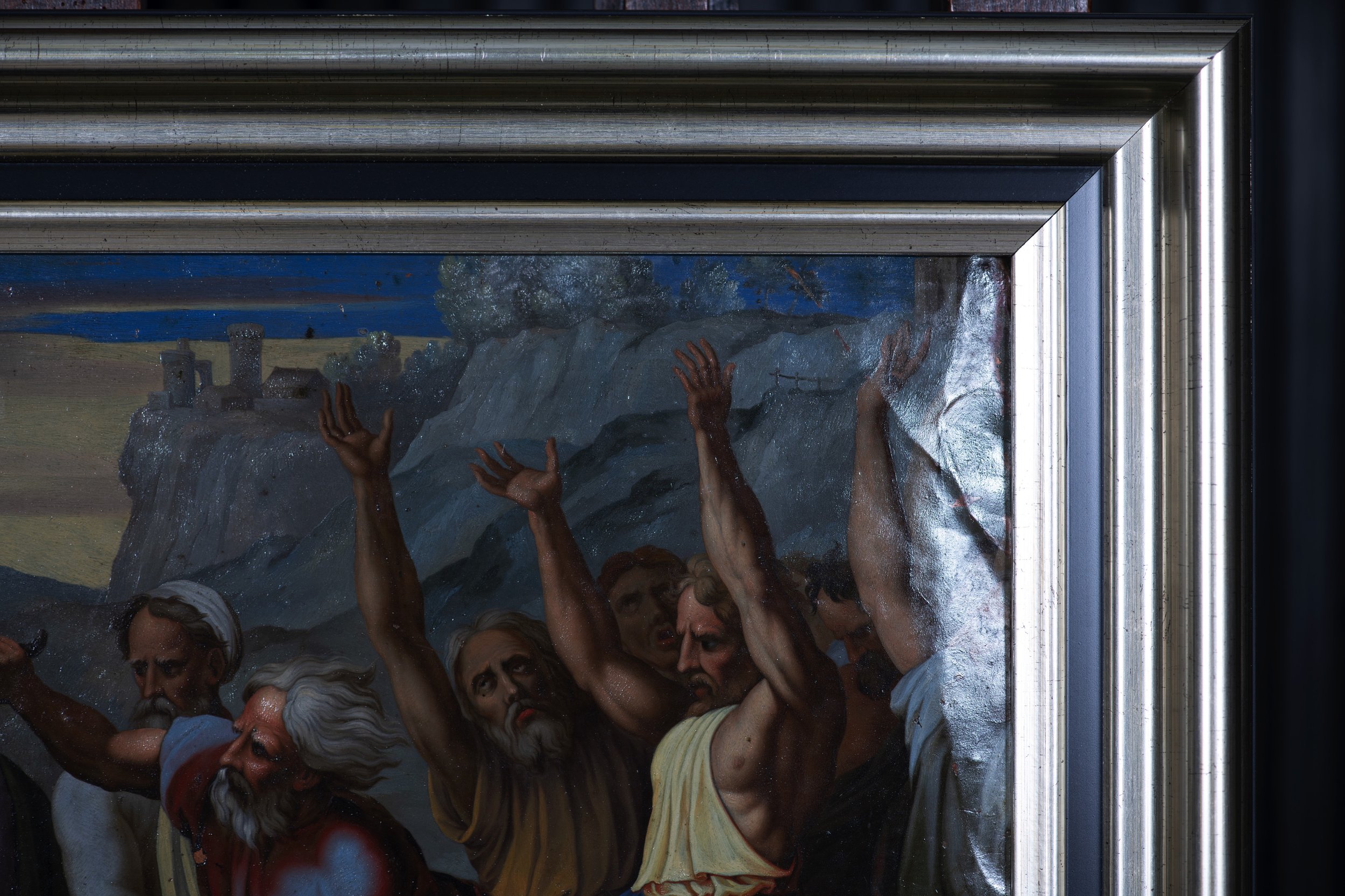 Image 23 of 25
 Image 24 of 25
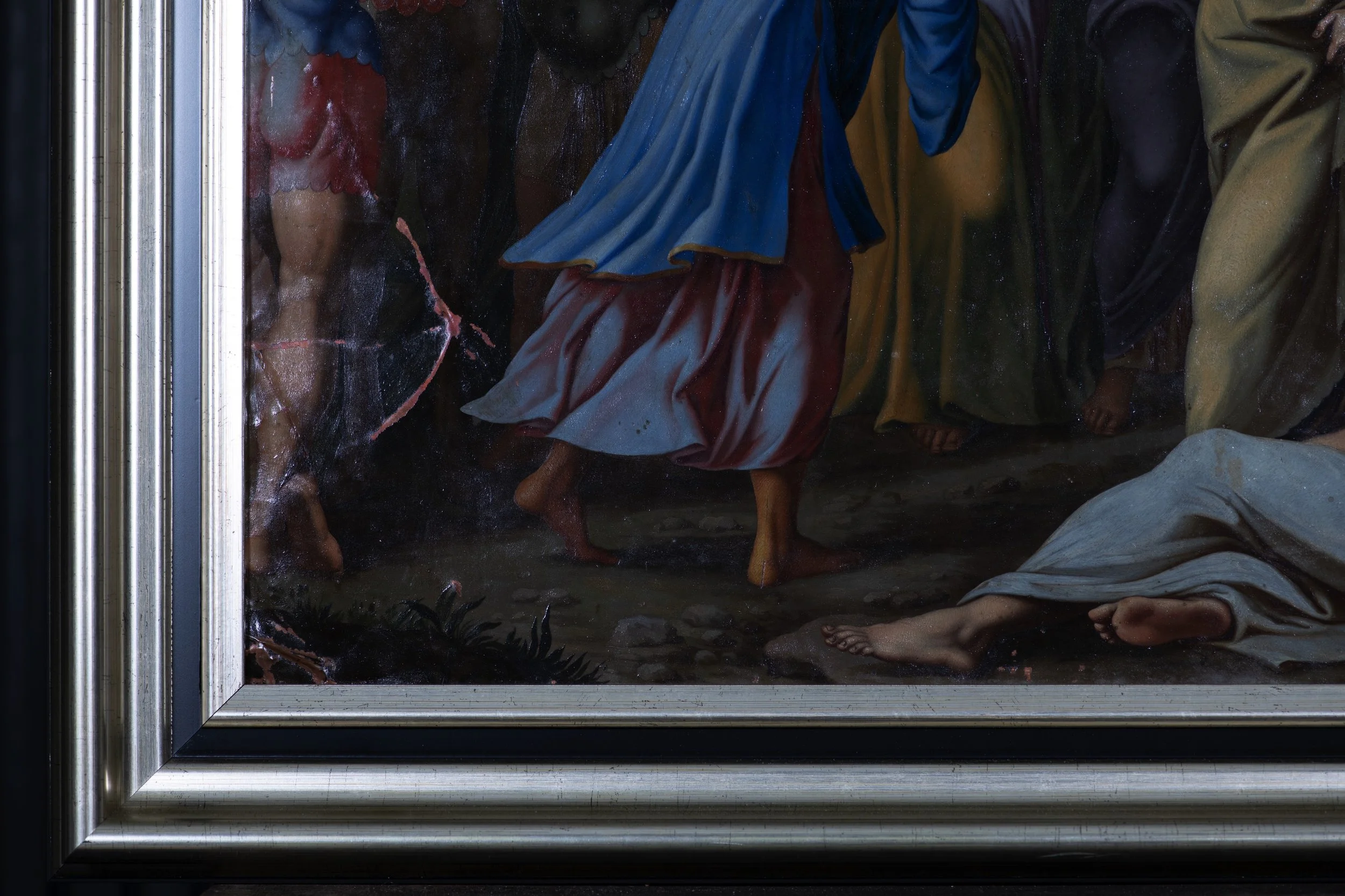 Image 25 of 25